

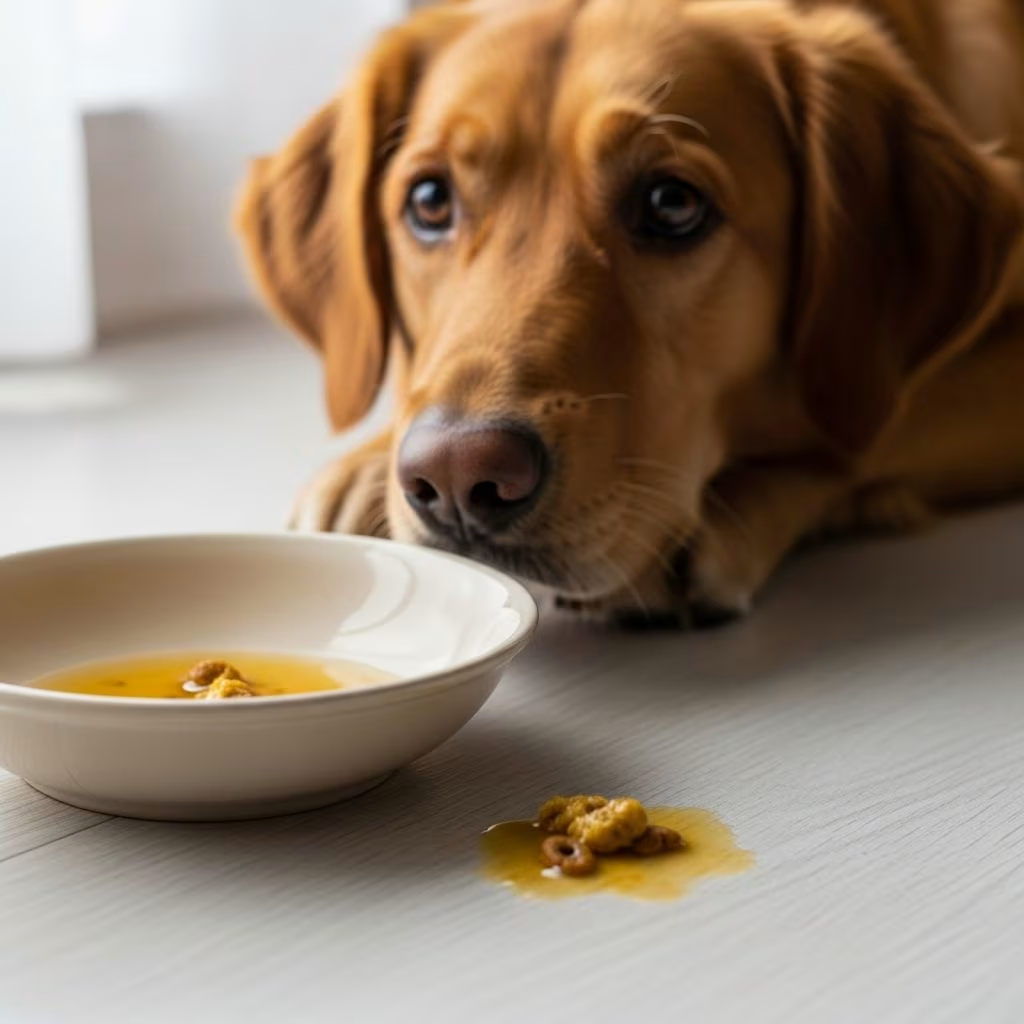
Vomiting in dogs serves as the body’s natural mechanism to expel harmful substances from the stomach and upper intestines. This forceful expulsion, often preceded by retching or drooling, can stem from minor digestive irritations or signal life-threatening problems. Understanding the underlying reasons helps pet owners respond appropriately, preventing escalation of health issues.
Everyday Dietary Triggers Behind Stomach Upset
Dogs frequently explore their environment with their mouths, leading to consumption of inappropriate items. One prevalent issue is dietary indiscretion, where dogs ingest garbage, spoiled food, table scraps, or non-edible objects like sticks and rocks. These materials irritate the gastrointestinal lining, prompting vomiting as a protective reflex.
Abrupt changes in diet also disrupt digestion. Switching dog foods suddenly without a gradual transition over 7-10 days can overwhelm the stomach, causing regurgitation or full vomiting episodes. Food intolerance plays a role too, with sensitivities to proteins such as chicken or beef, dairy products, grains, or additives triggering repeated upset, often accompanied by itching or ear problems.
- Table scraps high in fat or spices
- Garbage raiding during walks
- Sudden kibble brand switches
- Human foods like onions, grapes, or chocolate, which are toxic
Obstructions: When Swallowed Items Cause Blockages
Foreign objects pose a severe risk, creating gastrointestinal blockages that halt normal digestion. Common offenders include toys, socks, bones, rawhide chews, or string, which lodge in the esophagus, stomach, or intestines. Symptoms emerge as persistent vomiting—often unproductive after initial food expulsion—paired with abdominal bloating, pain, lethargy, and appetite loss.
Untreated blockages lead to tissue damage, perforation, or peritonitis, a fatal infection. Deep-chested breeds like Great Danes face heightened risk from gastric dilatation-volvulus (GDV), or bloat, where the stomach twists, trapping contents and blood flow. This emergency demands immediate surgery.
| Symptom | Indication of Blockage |
|---|---|
| Repeated vomiting without food | Obstruction preventing passage |
| Hard abdomen | Pain from distension |
| Weakness or collapse | Toxins building in blood |
Infections, Parasites, and Inflammatory Responses
Bacterial invaders like Salmonella or E. coli from contaminated water, feces, or undercooked meat inflame the gut, resulting in vomiting alongside diarrhea and fever. Parasites such as roundworms, hookworms, or Giardia irritate the intestines similarly, especially in puppies or immunocompromised dogs.
Viral threats like parvovirus devastate unvaccinated young dogs, causing hemorrhagic vomiting and bloody diarrhea. Gastritis or gastroenteritis—inflammation of the stomach or full GI tract—arises from these pathogens or toxins. Haemorrhagic gastroenteritis (HGE) strikes small breeds, producing bloody vomit and rapid dehydration.
Systemic Diseases and Organ Dysfunction
Chronic conditions often manifest through vomiting. Pancreatitis, inflammation of the pancreas from fatty meals, leads to severe pain, repeated vomiting, and dehydration. Kidney or liver failure impairs toxin filtration, causing uremic or hepatic vomiting with foul odors.
Hormonal imbalances like Addison’s disease or diabetes mellitus disrupt electrolyte balance and blood sugar, triggering nausea. Inflammatory bowel disease (IBD) and cancers erode the GI lining over time. Neurological issues or vestibular disease affect balance centers, indirectly provoking vomiting.
- Excessive thirst and urination (kidney disease)
- Yellowing skin (liver issues)
- Lethargy and hunched posture (pancreatitis)
Environmental and Behavioral Factors
Heatstroke overheats the body, leading to vomiting, diarrhea, and collapse during hot weather or exercise. Motion sickness from car rides affects some dogs, particularly brachycephalic breeds. Medications, toxins from plants (lilies, sago palms), or chemicals induce rapid expulsion.
Stress from boarding, fireworks, or household changes upsets sensitive stomachs. Overeating or gulping food too quickly causes regurgitation, distinguishable from true vomiting by lack of retching.
Interpreting Vomit Appearance and Frequency
Analyze vomit characteristics for clues. Yellow or foamy indicates bile on an empty stomach, common overnight but worrisome if frequent. Mucus or slime suggests parasites or spoiled intake. Bloody vomit—bright red or coffee-ground—signals ulcers, clotting issues, or HGE, requiring urgent care.
Undigested food points to regurgitation from megaesophagus or reflux. Frequency matters: isolated incidents post-scavenging may resolve, but clusters over hours demand attention.
Emergency Signs Requiring Immediate Veterinary Intervention
Not all vomiting needs a vet, but certain red flags do. Monitor for dehydration via skin tenting or tacky gums. Seek help if vomiting persists beyond 24 hours, recurs frequently, or pairs with:
- Blood in vomit or stool
- Abdominal pain (whining, guarding belly)
- Lethargy or weakness
- Diarrhea or unproductive retching
- Signs of bloat in large breeds
Puppies, seniors, and those with pre-existing conditions warrant quicker evaluation.
Home Management for Mild Cases
For one-off events without other symptoms, withhold food 12-24 hours while providing ice cubes or small water sips to curb nausea. Reintroduce bland diet: boiled chicken and rice in tiny portions. Probiotics support gut recovery. Avoid over-the-counter meds without vet approval.
Diagnostic Approaches at the Vet
Vets start with history and physical exam, followed by bloodwork for organ function, fecal tests for parasites, radiographs or ultrasound for blockages, and endoscopy for inflammation. Treatments range from fluids and anti-nausea drugs to surgery for obstructions.
Prevention Strategies for a Healthier Gut
Feed age-appropriate, high-quality diets gradually transitioned. Secure trash, supervise walks, and train “leave it” commands. Regular deworming, vaccinations, and annual checkups catch issues early. Puzzle feeders slow gulpers. Limit fatty treats.
Frequently Asked Questions (FAQs)
What if my dog vomits once after eating grass?
Grass induces vomiting to self-treat mild upset; monitor if isolated.
Is yellow vomit always serious?
Often bile reflux, but repeated episodes need vet review.
How to differentiate vomiting from regurgitation?
Vomiting involves retching and digested contents; regurgitation is passive undigested food.
Can stress cause vomiting in dogs?
Yes, anxiety triggers GI upset in sensitive pets.
When is bloody vomit an emergency?
Always; it indicates internal bleeding or severe inflammation.
References
- 5 Common Reasons for Dog Vomiting — Dundee Veterinary Clinic. 2023. https://dundeevetclinic.com/blog/reasons-for-dog-vomiting/
- Dog Vomiting: Causes & Treatments — Purina. 2024. https://www.purina.com/articles/dog/health/digestion/causes-of-dog-vomiting
- Dog Vomiting and Diarrhea: When It’s an Emergency — GSVS. 2023. https://gsvs.org/blog/dog-vomiting-diarrhea-emergency/
- Vomiting in Dogs — PDSA. 2024. https://www.pdsa.org.uk/pet-help-and-advice/pet-health-hub/symptoms/vomiting-in-dogs
- Vomiting in Dogs – Dog Owners — Merck Veterinary Manual. 2025. https://www.merckvetmanual.com/dog-owners/digestive-disorders-of-dogs/vomiting-in-dogs
- Vomiting in Dogs — VCA Animal Hospitals. 2024. https://vcahospitals.com/know-your-pet/vomiting-in-dogs



