

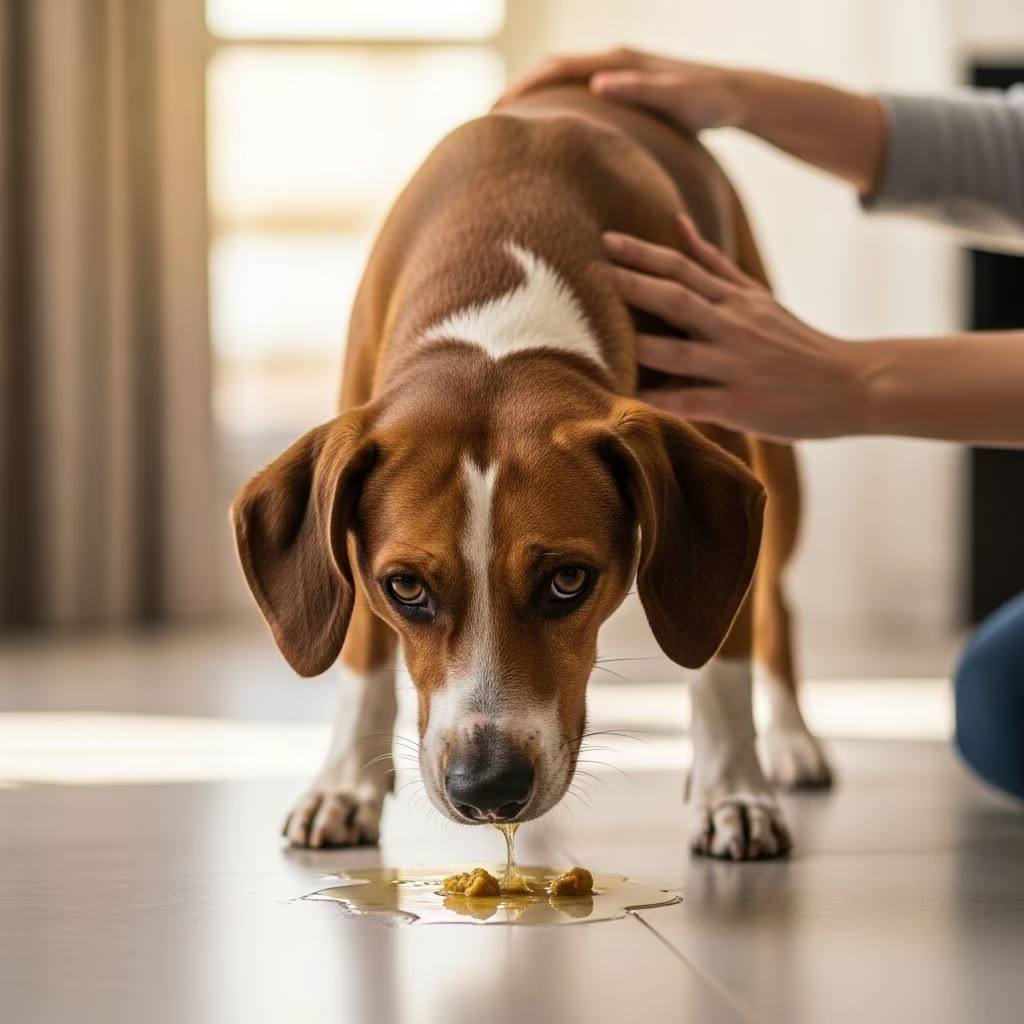
Dog vomiting is a common issue that can range from a one-off event due to dietary indiscretion to a symptom of a serious underlying condition. Understanding the difference between harmless regurgitation and true vomiting, along with knowing when to act, can help keep your furry friend healthy and comfortable. This guide covers the key causes, symptoms to watch for, home care options, and veterinary interventions based on insights from trusted veterinary sources.
What is Vomiting in Dogs?
Vomiting in dogs is the forceful ejection of stomach or upper intestinal contents, often preceded by nausea, excessive drooling, retching, and abdominal contractions. Unlike regurgitation, which is passive and involves undigested food from the esophagus, vomiting is an active process involving the stomach. Dogs may vomit clear fluid, foam, bile, blood, or partially digested food, each indicating different potential issues.
Recognizing vomiting early allows for timely intervention. Occasional vomiting might resolve on its own, but frequent episodes warrant professional attention to prevent dehydration or complications.
Common Causes of Dog Vomiting
Dogs vomit for various reasons, broadly categorized into dietary, infectious, toxic, and systemic causes. Here’s a breakdown:
- Dietary Indiscretion: The most frequent cause, where dogs eat garbage, spoiled food, table scraps, or non-food items like grass or toys. Eating too quickly or abruptly changing diets can also trigger it.
- Food Intolerances or Allergies: Sensitivity to ingredients like grains or proteins leads to gastrointestinal upset.
- Infections and Parasites: Bacterial, viral (e.g., parvovirus), or parasitic infections (roundworms, hookworms) inflame the GI tract.
- Toxins: Ingestion of chocolate, xylitol, raisins, plants, or chemicals causes acute vomiting.
- Acute Conditions: Heatstroke, pancreatitis, bloat (GDV), or medication reactions.
Chronic or Serious Causes
Persistent vomiting often signals deeper issues:
- Kidney or liver failure, diabetes, Addison’s or Cushing’s disease.
- Cancer, intestinal obstructions, colitis, or pyometra (uterine infection).
- Inner ear diseases or vestibular issues affecting balance.
| Cause Type | Examples | Common Symptoms |
|---|---|---|
| Dietary | Garbage eating, diet change | Undigested food, one-off episode |
| Infectious | Parvovirus, parasites | Diarrhea, fever, lethargy |
| Systemic | Kidney failure, pancreatitis | Weight loss, abdominal pain |
| Toxic | Xylitol, chocolate | Bloody vomit, seizures |
This table summarizes key categories for quick reference.
Symptoms to Watch For
Not all vomiting requires a vet visit, but accompanying signs can indicate urgency:
- Mild Indicators: Isolated vomit of undigested food, normal energy and appetite afterward.
- Warning Signs: Repeated vomiting, blood (bright red or coffee-ground like), diarrhea, lethargy, dehydration (dry gums, sunken eyes), abdominal pain, fever, or weakness.
- Emergency Red Flags: Foamy/white vomit (possible bloat), green vomit (bile or obstruction), unproductive retching, seizures, or collapse.
Bloody vomit demands immediate vet care, as it may stem from ulcers, trauma, or clotting disorders. Collect a sample if safe to aid diagnosis.
Types of Vomit and What They Mean
- Undigested Food: Often dietary indiscretion or eating too fast.
- Yellow/Foamy: Empty stomach or bilious vomiting syndrome.
- Bright Green: Bile or potential obstruction/foreign body.
- Bloody: Gastritis, ulcers, parvovirus, or toxins.
- Light Brown: Possible chocolate ingestion or fecal matter (coprophagia).
When to See a Vet
Consult a vet if vomiting persists beyond 24 hours, occurs more than twice, or includes any red flags. Puppies, seniors, or dogs with pre-existing conditions need prompt evaluation. Diagnostic tools may include blood tests, fecal exams, ultrasounds, radiographs, or endoscopy.
For chronic cases, vets address root causes like organ dysfunction or cancer.
Home Care for Mild Vomiting
For isolated incidents without concerning symptoms:
- Withhold Food: Fast for 12-24 hours (puppies 6-12 hours) to rest the stomach, but provide water.[10]
- Reintroduce Bland Diet: Boiled chicken/rice or potatoes in small, frequent meals for 2-3 days. Avoid raw foods.
- Hydrate: Offer ice cubes or small water amounts to prevent dehydration.[10]
- Probiotics: May restore gut flora after vet approval.
Monitor closely; if no improvement, seek professional help. Never use human anti-nausea meds without guidance.
Veterinary Diagnosis and Treatment
Vets tailor treatment to the cause:
- Medications: Antiemetics (Cerenia, metoclopramide), antacids (famotidine, omeprazole), antibiotics for infections.
- Fluid Therapy: IV fluids for dehydration.
- Specialized Care: Surgery for obstructions/bloat, dietary management for chronic issues.
- Probiotics/Antacids: Support GI recovery.
Long-term vomiting requires identifying and treating the underlying disorder, such as kidney support or parasite deworming.
Preventing Vomiting in Dogs
Proactive steps reduce risks:
- Feed age-appropriate, high-quality diet; transition slowly over 7-10 days.
- Use puzzle feeders to slow eating.
- Supervise to prevent scavenging or toxin access.
- Regular deworming, vaccinations, and check-ups.
- Avoid exercise right after meals; keep cool to prevent heatstroke.
Frequently Asked Questions (FAQs)
Q: Why is my dog throwing up yellow foam?
A: Yellow foam often indicates bilious vomiting from an empty stomach; feed smaller, more frequent meals.
Q: How long can a dog go without eating after vomiting?
A: 12-24 hours for adults, less for puppies; then bland food if improving.[10]
Q: Is vomiting grass normal?
A: Occasional grass-eating may induce vomiting to clear irritants, but frequent cases need vet review.
Q: What if my dog vomits blood?
A: Emergency vet visit required; could indicate serious issues like ulcers or toxins.
Q: Can I give my dog Pepto-Bismol for vomiting?
A: Only under vet guidance; dosage varies by weight and may mask symptoms.
Conclusion
While occasional dog vomiting is often benign, vigilance is key. By understanding causes, monitoring symptoms, and knowing when to seek help, you can ensure your dog’s quick recovery and long-term health. Always prioritize professional veterinary advice over home remedies for safety.
References
- Dog Vomiting: Causes, Treatment, and Related Symptoms — WebMD. 2023. https://www.webmd.com/pets/dogs/vomiting-dogs-causes-treatment
- Dog Vomiting: Causes & Treatments — Purina. 2024. https://www.purina.com/articles/dog/health/digestion/causes-of-dog-vomiting
- Vomiting dog — Vetwest Veterinary Clinics. 2023. https://www.vetwest.com.au/pet-library/vomiting-dog/
- Vomiting in Dogs — PetMD. 2024-05-15. https://www.petmd.com/dog/symptoms/vomiting-in-dogs
- Vomiting in Dogs – Dog Owners — Merck Veterinary Manual. 2023. https://www.merckvetmanual.com/dog-owners/digestive-disorders-of-dogs/vomiting-in-dogs
- Vomiting in Dogs – When to Head to The Vet — Pacific Santa Cruz Vet. 2024-05-15. https://www.pacificsantacruzvet.com/site/blog/2024/05/15/dog-vomiting



