

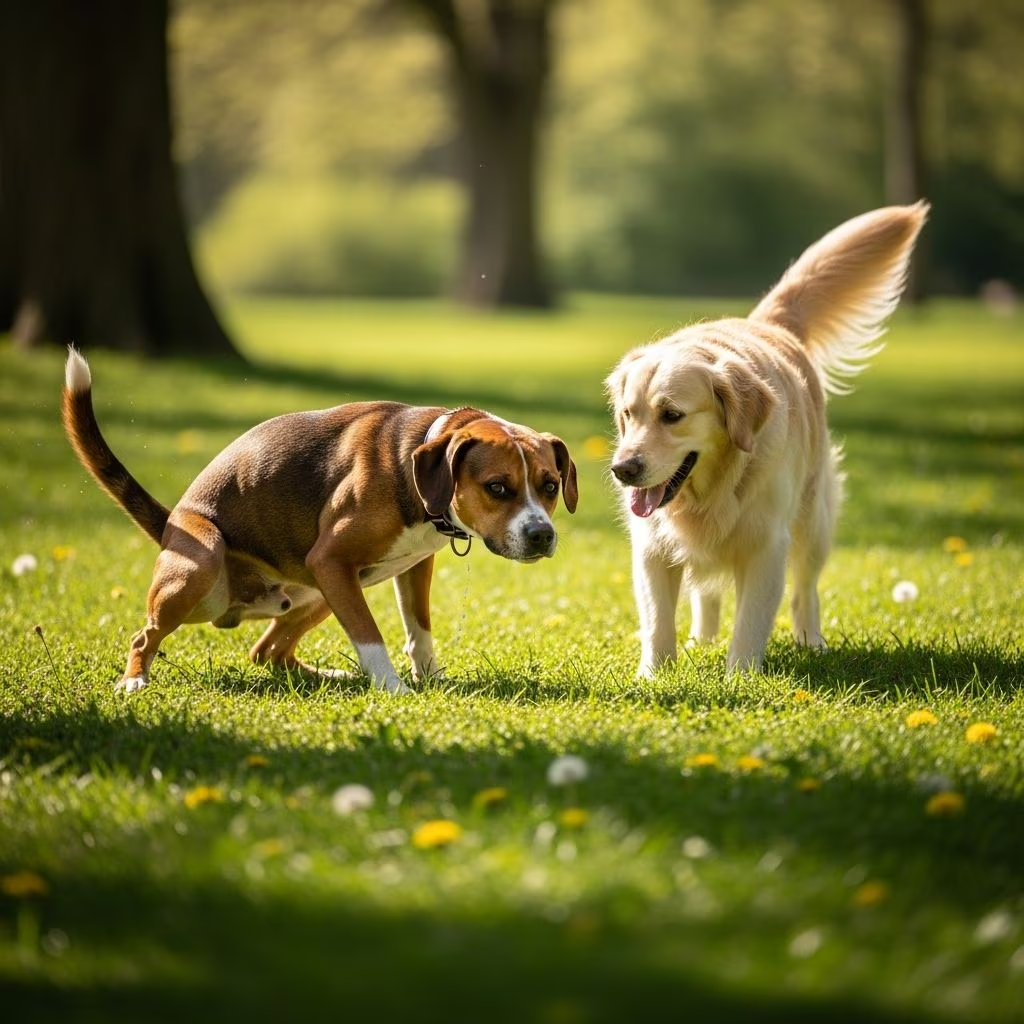
Dogs that release small amounts of urine when encountering new people or familiar family members often display a natural response rooted in instinct and emotion. This phenomenon, commonly observed during hellos, stems from either overwhelming joy or a desire to signal deference, both of which can be managed through understanding and gentle guidance.
Recognizing the Two Main Types of Greeting Urination
Canine urination in social settings typically falls into two categories: excitement-based and submission-related. Each has distinct triggers and manifestations, helping owners pinpoint the issue accurately.
- Excitement Urination: Occurs in young, energetic dogs during high-arousal moments like reunions or play initiation. The bladder relaxes involuntarily due to underdeveloped control muscles.
- Submissive Urination: A appeasement gesture where the dog signals non-threat to perceived superiors, often accompanied by body language like lowered head or tucked tail.
Differentiating these aids in selecting the right intervention. Excitement pees happen amid wagging tails and jumping, while submissive ones pair with avoidance signals.
Instinctual Roots in Puppyhood
This behavior echoes early life experiences. Mother dogs lick pups’ genital areas to stimulate elimination, creating a lifelong association between social contact and bladder release. As adults, certain interactions mimic this, triggering the reflex.
In pack dynamics, urination communicates hierarchy. A dog squatting before another conveys ‘I yield,’ preventing conflicts. Humans, however, misinterpret this as rudeness rather than respect.
When to Consult a Veterinarian First
Before behavioral tweaks, rule out health issues. Urinary tract infections (UTIs), bladder stones, or other conditions mimic emotional peeing. A sudden onset in older dogs warrants immediate vet evaluation, as it may indicate diabetes, incontinence, or kidney problems.
| Symptom | Possible Medical Cause | Action |
|---|---|---|
| Frequent small leaks during greetings | UTI or weak sphincter | Vet urine analysis |
| Large volume accidents | Overfull bladder or diabetes | Bloodwork and exam |
| Sudden change in adult dog | Hormonal imbalance | Full physical check |
Clearing medical causes ensures training targets the root behavior effectively.
Strategies for Managing Excitement Urination
Excitement peeing resolves faster with maturity and management. Focus on lowering arousal levels during interactions.
- Pre-Greeting Potty Breaks: Walk your dog right before visitors arrive to empty the bladder fully, minimizing output.
- Outdoor Introductions: Meet guests outside on grass, simplifying cleanup and associating greetings with appropriate spots.
- Calm Reinforcement: Reward relaxed postures like sitting or lying down with treats and praise, gradually building control.
Incorporate relaxation exercises, such as Dr. Karen Overall’s protocol, to teach dogs to down-regulate excitement. Consistency from all household members accelerates progress.
Addressing Submissive Urination Effectively
Submissive peeing signals fear or anxiety, often from past punishment or intimidating approaches. Punishment worsens it, creating a cycle of anticipation.
Key principles: Ignore the behavior, reduce perceived threats, and build positive associations.
- Avoid direct stares, leaning over, or head pats, which amplify submission.
- Approach sideways, kneel low, and use chest scratches to foster security.
- Guests should sit calmly first, tossing treats to redirect focus.
Over time, the dog learns humans predict good things, diminishing the need for appeasement signals.
Practical Greeting Protocols for Guests
Prepare visitors to prevent incidents. Share these guidelines:
| Do | Don’t |
|---|---|
| Speak softly and move slowly | Exclaim loudly or rush forward |
| Turn sideways and kneel | Bend over or make eye contact |
| Offer treats from a distance | Pet head or hug immediately |
| Ignore until dog approaches | Reach out first |
For home visits, leash the dog across the room initially, rewarding calm before release. This structured entry builds confidence gradually.
Building Long-Term Confidence in Your Dog
Beyond immediate fixes, enhance overall security through daily practices.
- Positive Training Sessions: Use reward-based methods for obedience, avoiding corrections that erode trust.
- Socialization Exposure: Gradually introduce varied people in low-pressure settings, pairing with high-value rewards.
- Exercise Routine: Daily physical and mental outlets reduce baseline anxiety, improving bladder control.
- Professional Help: If persistent, consult certified trainers or behaviorists specializing in fear responses.
Patience is vital; puppies outgrow this by 1-2 years, but adults may need months. Track progress in a journal to celebrate small wins.
Common Myths and Misconceptions
Misunderstandings hinder solutions:
- Myth: It’s spiteful. Dogs lack human malice; it’s physiological.
- Myth: Yelling stops it. Heightens fear, increasing episodes.
- Myth: Only puppies do it. Adults can too, especially rescues.
Reframe as communication: Your dog views you as leader, seeking harmony.
FAQs on Dog Greeting Urination
Will my dog outgrow excitement peeing?
Yes, most puppies mature out of it as bladder muscles strengthen, typically by 12-18 months.
Why does it happen more with men?
Larger stature, deeper voices, and direct approaches mimic dominance, triggering submission.
Can diet or supplements help?
No direct link; focus on behavior after vet clearance. Hydration supports health but doesn’t fix emotional triggers.
What if it’s both excitement and submission?
Treat as mixed: Combine calm protocols with confidence-building.
Is medication ever needed?
Rarely; only for severe anxiety under veterinary behaviorist guidance.
(Word count: 1678)
References
- Does Your Dog Pee When Meeting People? — Whole Dog Journal. 2023. https://www.whole-dog-journal.com/behavior/stress/does-your-dog-pee-when-meeting-people/
- Dog Behavior Problems – House Soiling — VCA Animal Hospitals. 2024-01-15. https://vcahospitals.com/know-your-pet/dog-behavior-problems-house-soiling
- Why Dogs Pee When Excited or Scared — PetMD. 2024. https://www.petmd.com/dog/behavior/why-dogs-pee-when-excited-or-scared
- Why Does My Puppy Pee When They Greet Me? — American Kennel Club. 2023-05-10. https://www.akc.org/expert-advice/training/dog-puppy-pees-when-excited/
- How to Stop Dog Submissive Urination and Excited Peeing — Best Friends Animal Society. 2024. https://bestfriends.org/pet-care-resources/how-stop-dog-submissive-urination-and-excited-peeing
- Submissive Urination — WebMD Pets. 2023. https://www.webmd.com/pets/dogs/submissive-urination



