Why Dogs Turn Around Before Lying Down
Discover the fascinating evolutionary reasons behind your dog's bedtime circling ritual.
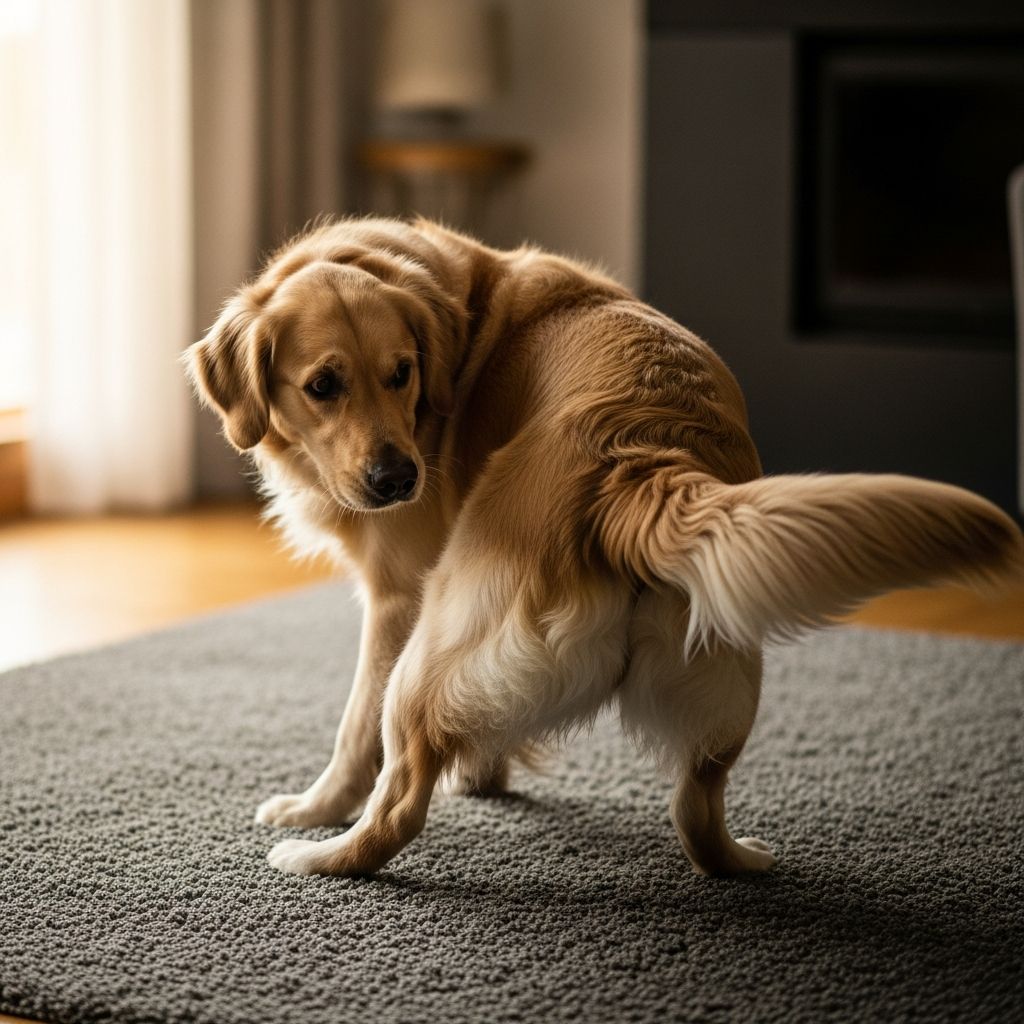
If you’ve ever watched your dog prepare for sleep, you’ve likely noticed an amusing bedtime ritual: your furry friend spins around in circles multiple times before finally settling down. This behavior isn’t random or pointless—it’s a deeply ingrained habit rooted in thousands of years of canine evolution. Unlike humans who simply plop down in bed when tired, dogs perform an elaborate dance before snuggling in for the night. This compulsive bedtime routine is so strong that many dogs cannot seem to rest until they’ve completed their nightly spinning performance. Understanding why dogs engage in this behavior provides fascinating insights into their ancestral heritage and modern needs.
The Evolutionary Origins of Circling
Dog behaviorists and animal scientists have determined that a dog’s need to turn around in circles before lying down is an inherited behavior passed down through generations. Canine ancestors, particularly wild wolves, engaged in this same bedtime ritual, and domestic dogs have retained this genetic predisposition despite thousands of years of domestication. Evolutionary behaviors like circling are aimed at self-preservation and remain powerful influences that persist throughout the animal kingdom, even when the original purpose no longer applies.
When wild wolves prepared to sleep, circling served critical survival functions. Wolves would spin to determine wind direction, allowing them to position themselves with their noses to the wind so they could quickly detect threatening scents. This positioning was crucial for survival in dangerous wilderness environments. A single whiff of predatory danger could alert the entire animal, providing precious seconds to escape a potential attack. This self-preservation instinct was so effective that it became hardwired into canine DNA across generations.
Self-Preservation and Survival Instincts
Turning in circles before lying down is fundamentally an act of self-preservation. Dogs innately understand—through genetic memory—that they need to position themselves in a specific way to ward off attacks in the wild. This behavior encompasses multiple survival strategies:
- Wind Direction Assessment: By circling, wolves could determine which way the wind was blowing, allowing them to position themselves optimally for scent detection
- Threat Detection: The spinning motion helped create a clear perimeter and drove out hidden dangers like snakes or insects that might threaten sleeping animals
- Pack Awareness: Group leaders used circling to assess their pack members and survey the surrounding area for stragglers or separated family members
- Hierarchy Establishment: The bedtime turning routine may have been part of a ritual that identified a wolf’s place in the pack’s pecking order
- One Final Predator Check: Before completely settling down, the circling motion provided a final opportunity to scan for potential predators in the vicinity
Even though modern domestic dogs live in safe, controlled environments and face no real threats from wild animals, they have retained these protective evolutionary traits. Your pet dog circles before lying down not because they’re in danger, but because their ancestors survived by doing so, and this behavior remains coded in their genetic makeup.
Comfort and Nest-Building Behaviors
Beyond survival instincts, there’s a more practical reason for canine circling. Wild dogs in their natural habitats didn’t have access to manufactured doggie beds, pillows, or comfortable furniture. Instead, they had to create their own sleeping quarters from whatever natural materials were available. To prepare their beds, wild dogs would engage in several preparatory actions:
Dogs would pat down tall grass and move prickly underbrush away from their sleeping area. They’d root out rocks and fallen tree branches that could cause discomfort or pain during sleep. In forested areas, they’d clear away leaves and debris. The circular motion was the most efficient way to accomplish this task, allowing them to flatten vegetation and create a smooth surface for resting. Over time, this practical behavior became so ingrained that it persists in modern domestic dogs, even when they’re surrounded by comfortable furniture.
Today’s pet dogs circle before lying down partly because the desire for comfort is deeply innate. A quick plumping of the pillow works for humans, but dogs require more elaborate preparation. They’re repeating the exact performance of actions their ancestors took before going to sleep under the stars. Whether your dog is circling on a plush bed, a soft rug, or even hardwood flooring, they’re engaged in the same ritual that has defined canine bedtime for millennia.
Temperature Regulation Through Circling
Another crucial evolutionary reason for pre-sleep circling relates to temperature control. Wild dogs had no ability to adjust environmental temperatures—they couldn’t turn down a thermostat on hot days or grab a blanket when cold weather arrived. Instead, they developed adaptive circling behaviors that helped them survive extreme temperature fluctuations.
In Hot Climates: Dogs living in hotter regions would scratch and circle to clear away topsoil and grass that retained and radiated the sun’s warmth. By removing this layer, they exposed the cooler soil underneath, creating a more comfortable sleeping surface. This behavior allowed them to find suitable temperatures for rest despite blazing sun exposure.
In Cold Climates: Wolves in frigid environments used circling as a method to wind themselves into tight, compact balls that conserved personal body heat. The tighter the tuck achieved through circling, the warmer the dog would remain throughout the night. Additionally, other pack members would gather in tight circles to share collective body heat, creating a survival mechanism essential for enduring harsh winters.
This temperature-regulation instinct persists in modern domestic dogs. You might notice that your dog circles more vigorously during seasonal temperature changes or when adjusting to a new environment. Some dogs will circle more on cooler evenings and stretch out more on warm days—behaviors directly descended from their wild ancestors’ adaptive strategies.
Comfort and Modern Pet Dogs
While the ancestral reasons for circling remain relevant to understanding canine behavior, modern pet dogs also circle to optimize their immediate comfort. Today’s dogs live indoors on couches, beds, and cushions, yet they still perform their bedtime ritual with the same dedication as their wild ancestors. This behavior serves several contemporary purposes.
Dogs circle to adjust their sleeping area exactly to their preferences. They might reposition blankets, smooth out wrinkles in bedding, or create the perfect angle for their body position. This behavior is similar to how humans toss and turn or adjust pillows multiple times before finding the ideal sleeping configuration. Some dogs repeat the circling process several times, moving progressively smaller circles as they inch closer to their final resting position. This gradual settling allows them to loosen muscles, relieve tension, and align their bodies for maximum comfort.
Additionally, circling helps dogs transition mentally and physically from wakefulness to sleep. This ritualistic behavior signals to both their body and brain that it’s time to wind down, similar to how humans might read or meditate before bed. The repetitive motion can calm a dog’s nervous system and help them enter a more restful state more smoothly.
Psychological and Emotional Aspects
Beyond physical and survival-related reasons, circling also serves important psychological functions for dogs. This behavior is not purely instinctual—it also addresses emotional well-being. Dogs, like humans, engage in rituals to soothe themselves and create predictability in their environments.
The spinning motion before sleep can provide a sense of security and reduce anxiety. For rescue dogs or pets adjusting to new surroundings, this bedtime ritual can feel like reclaiming a sense of control in their environment. The familiar motion creates a comforting routine that helps them feel safe. Dogs are highly intuitive creatures, and circling serves as a mental transition signal—a way of communicating to themselves that the active part of their day is ending and rest time is beginning.
This psychological aspect becomes particularly important for dogs experiencing stress or anxiety. A familiar bedtime routine provides comfort and stability, especially during times of change or uncertainty.
When Circling Becomes Concerning
While watching your dog turn around before bedding down is generally amusing and normal, excessive or unusual circling can signal that something is wrong. Pet owners should be aware of the differences between healthy, purposeful circling and problematic circling behavior.
Signs of Concern:
- Dogs in pain will circle excessively as they struggle to find a more comfortable position
- Excessive crouching and rising several times before completely reclining may indicate discomfort
- Difficulty settling down even after making several revolutions warrants veterinary evaluation
- Aimless or disoriented circling that appears purposeless rather than methodical
- Circling that takes significantly longer than your dog’s normal routine
- Signs of stiffness or reluctance to lie down in their usual spot
Health Conditions Associated with Excessive Circling
Several medical conditions can cause dogs to circle excessively before lying down. Understanding these potential health issues is important for responsible pet ownership.
Orthopedic Disorders: Arthritis and hip dysplasia are common conditions that cause pain and discomfort, leading dogs to circle repeatedly in an effort to find a position that eases their pain. Older dogs are particularly susceptible to these joint issues, which can make bedtime increasingly difficult.
Neurological Disorders: Spinal cord problems, back issues, and neurological conditions can affect a dog’s ability to settle comfortably. These conditions transform the routine nighttime circling into a painful and frustrating experience. As dogs age, neurological issues such as canine cognitive dysfunction (similar to dementia in humans), brain tumors, or vestibular disease can all cause disoriented circling. Unlike the purposeful spin of a young, healthy dog, this kind of circling may appear aimless or excessive.
When to Seek Veterinary Care: If your dog has difficulty settling down even after making several revolutions, or if you notice a significant change in their circling behavior, it’s time to consult your veterinarian. Professional evaluation can identify underlying health issues, and appropriate therapy can help restore comfort to your dog’s bedtime routine. With proper treatment and management, bedtime can once again become a comforting and comfortable ritual rather than a painful struggle.
Understanding Your Dog’s Bedtime Ritual
Your dog’s bedtime circling is far more than a quirky habit—it’s a window into their evolutionary past and a connection to their wild ancestors. Every time your dog spins around before lying down, they’re engaging in behaviors that have served canines for thousands of years, behaviors refined by natural selection and passed down through countless generations.
Recognizing this bedtime ritual as a normal, healthy behavior helps pet owners appreciate the complex layers of instinct, comfort-seeking, and survival programming that influence their dogs’ daily activities. At the same time, remaining vigilant for changes in this behavior allows owners to catch potential health problems early and ensure their beloved companions receive prompt medical attention when needed.
The next time you watch your dog perform their bedtime dance, you can smile knowing that you’re witnessing millions of years of evolution in action—a small but significant reminder of the wild heritage that lives on in every domestic dog.
Frequently Asked Questions (FAQs)
Q: Is it normal for dogs to circle before lying down?
A: Yes, circling before lying down is a completely normal and healthy behavior in dogs of all ages and breeds. This behavior is inherited from their wild ancestors and is deeply ingrained in canine DNA. Most dogs perform this ritual regularly without any issues.
Q: How many times do dogs typically circle before lying down?
A: There’s no set number—it varies by individual dog. Some dogs circle just once or twice, while others may circle several times in progressively smaller circles. The number often depends on the dog’s comfort level with their sleeping spot and their overall anxiety or excitement levels.
Q: Do all dog breeds circle before lying down?
A: While most dogs circle to some degree, the behavior is more pronounced in certain breeds and can vary among individual dogs. The instinct is present across all breeds due to their shared evolutionary heritage, though some dogs may display it more obviously than others.
Q: Why does my old dog circle more than usual?
A: Increased circling in senior dogs can indicate pain from arthritis, hip dysplasia, or other age-related conditions. It can also be a sign of neurological changes. If you notice a significant increase in your older dog’s circling behavior, consult your veterinarian for evaluation and potential pain management options.
Q: Can anxiety cause excessive circling?
A: Yes, anxiety and stress can contribute to increased circling behavior. Dogs use this ritual as a self-soothing technique to calm their nervous system. If your dog seems anxious during other times of day, addressing the underlying anxiety may help normalize their bedtime behavior.
Q: Should I be concerned if my dog suddenly stops circling?
A: A sudden change in behavior, including stopping a lifelong circling habit, could indicate illness, pain, or neurological changes. If your dog suddenly stops this behavior, it’s worth mentioning to your veterinarian during your next visit, especially if accompanied by other behavioral changes.
References
- Why Dogs Turn Around Before Lying Down — VCA Animal Hospitals. 2025. https://vcahospitals.com/know-your-pet/why-dogs-turn-around-before-lying-down
- Understanding Dog Circling Habits Before Sleep — Dominion Valley Veterinary Clinic. 2025. https://www.dominionvalleyvets.com/why-dogs-circle-before-sleeping/
- Dog Circling Before Sleeping Explained: Behavior, Instincts and Health — Stevensonville Veterinary Clinic. 2025. https://www.stevensonvillagevet.com/why-dogs-walk-in-circles-before-sleeping/
- Why Do Dogs Turn in Circles Before Lying Down? — Psychology Today. 2016. https://www.psychologytoday.com/us/blog/canine-corner/201601/why-do-dogs-turn-in-circles-lying-down
Similar Articles






Read full bio of medha deb