

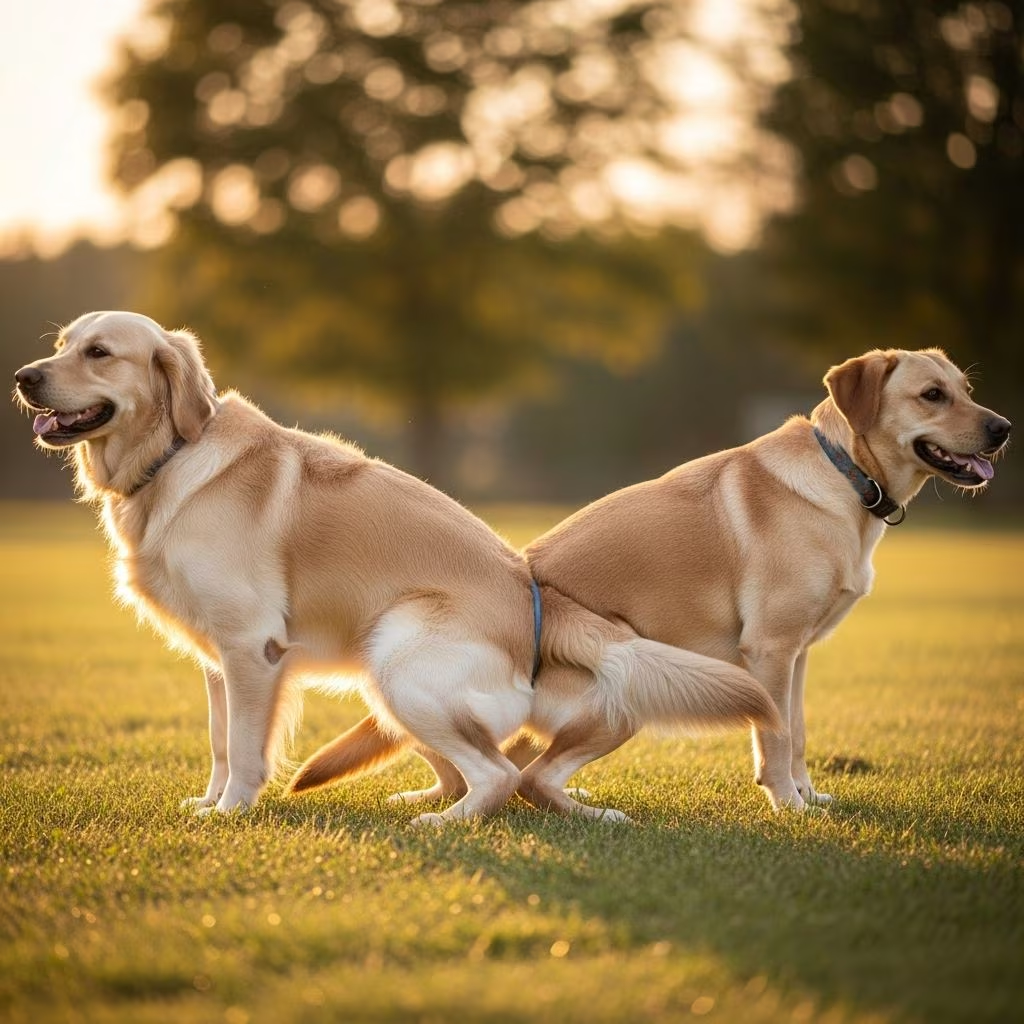
The phenomenon of dogs becoming physically locked together after mating, known as the copulatory tie, is a normal part of canine reproduction. This tie ensures successful fertilization by keeping sperm close to the eggs, typically lasting 5 to 45 minutes. Attempting to separate them prematurely risks severe injury to both dogs.
The Canine Heat Cycle: When Mating Occurs
Female dogs, or bitches, enter a reproductive phase called estrus, commonly known as being “in heat,” which signals readiness for mating. This cycle occurs roughly twice yearly, starting around six months of age, though timing varies by breed—smaller dogs mature faster than larger ones.
The estrous cycle consists of four stages:
- Proestrus: Lasts 3-21 days; vulva swells, bloody discharge appears, but the female rejects males.
- Estrus: 5-14 days; discharge lightens, female flags her tail and accepts mating—peak fertility around days 10-14.
- Diestrus: 60-140 days; pregnancy if fertilized, or hormonal rest.
- Anestrus: Rest period until next cycle.
Males reach sexual maturity at 6-12 months and can mate year-round, driven by pheromones from females in heat. Signs include increased urination for scent marking, restlessness, and mounting behaviors.
Step-by-Step: The Natural Dog Mating Process
Canine mating begins with courtship. The male sniffs the female’s rear, detecting pheromones, while she may flag her tail to expose her vulva. If receptive, she stands firm as he mounts.
| Stage | Description | Duration |
|---|---|---|
| First Coitus | Male penetrates; initial thrusting | ~2 minutes |
| The Turn | Dogs reposition, often facing opposite directions | ~5 seconds |
| Second Coitus (Tie) | Bulbus glandis swells, locking them; sperm release | 5-45 minutes |
The bulbus glandis, a erectile tissue at the penis base, expands inside the female, creating the tie. This prevents semen escape and blocks rivals, maximizing conception odds.
Dangers of Trying to Separate Tied Dogs
The copulatory tie is physiological, not a malfunction. Forcing separation can tear the bulbus glandis, cause vaginal trauma, or lead to internal bleeding. Panicked owners pulling dogs apart risk fractures or muscle strains.
Instead:
- Stay calm and supervise from a distance.
- Ensure a quiet, comfortable space.
- Wait patiently—the tie ends naturally as swelling subsides.
In rare prolonged cases (over an hour), consult a vet for potential issues like dehydration or distress, but intervention is last resort.
Signs Your Dog Is Ready for Breeding
Recognize heat to time mating correctly. Females show:
- Swollen vulva and bloody-to-straw discharge.
- Frequent urination, clinginess, tail flagging.
Males exhibit:
- Hyperactivity, escaping attempts, object mounting.
- Aggression toward other males.
Vet progesterone tests confirm peak fertility for best results. Avoid breeding immature dogs to prevent health complications.
Post-Mating Care for Optimal Conception
After separation, check the male’s penis has retracted into its sheath; gently guide if needed to avoid irritation. Allow rest for several hours.
Key steps:
- Isolate female from other males for days, as estrus persists.
- Repeat mating 2-3 times, 24-48 hours apart, for higher pregnancy rates—even slip matings (no tie) can succeed.
- Maintain nutrition; no diet change unless vet-advised.
Monitor for pregnancy signs 3-4 weeks post-mating: appetite changes, nesting.
Common Mating Myths Debunked
Myth 1: All matings result in ties. Reality: Slip matings happen if timing’s off; retry soon.
Myth 2: Males go into heat. Reality: Only females do; males are always potent post-puberty.
Myth 3: Ties always mean pregnancy. Reality: Tie aids conception but isn’t a guarantee—multiple sessions help.
Health Considerations Before Breeding
Screen for brucellosis, hip dysplasia via vet checks. Spay/neuter non-breeding dogs to curb overpopulation. Responsible breeding prioritizes welfare over quantity.
For unplanned matings, consult vets on options like progesterone blockers if early intervention’s sought.
FAQs
How long do dogs stay tied during mating?
Typically 5-30 minutes, up to 45; rarely longer.
Can dogs mate without tying?
Yes, slip matings can fertilize; less efficient.
What if my dog is stuck for over an hour?
Contact a vet; monitor for distress but avoid force.
Do all breeds tie the same?
Yes, universal canine trait; duration varies individually.
Should I breed my dog every heat?
No; limit to 4-5 litters max for health.
Preventing Unwanted Matings
Supervise intact dogs, use fences, consider sterilization. Heat pants help manage females. Education prevents accidents.
Understanding these processes empowers owners for safe, informed decisions.
References
- The Dog Mating Process Explained — Tractive. 2023. https://tractive.com/blog/en/good-to-know/dog-mating
- Dog Mating | Breeding — The Royal Kennel Club. 2024-03-15. https://www.royalkennelclub.com/dog-breeding/before-breeding/dog-mating/
- Understanding How Do Dogs Mate Naturally and Why They Get Stuck — Hawaii Dog Trainers. 2022-08-10. https://hawaiidogtrainers.com/how-do-dogs-mate/
- Understanding the Canine Reproductive Cycle and Mating — Cedarview Veterinary Hospital. 2024-01-22. https://www.cedarviewvet.ca/blog/understanding-the-canine-reproductive-cycle-and-mating
- Breeding – What to Expect After Mating — Vetwest Veterinary Clinics. 2023-11-05. https://www.vetwest.com.au/pet-library/breeding-what-to-expect-after-mating/



