
Why Dogs Thrive on Daily Routines
Discover how a consistent schedule boosts your dog's health, cuts anxiety, and deepens your bond for a happier pet life.
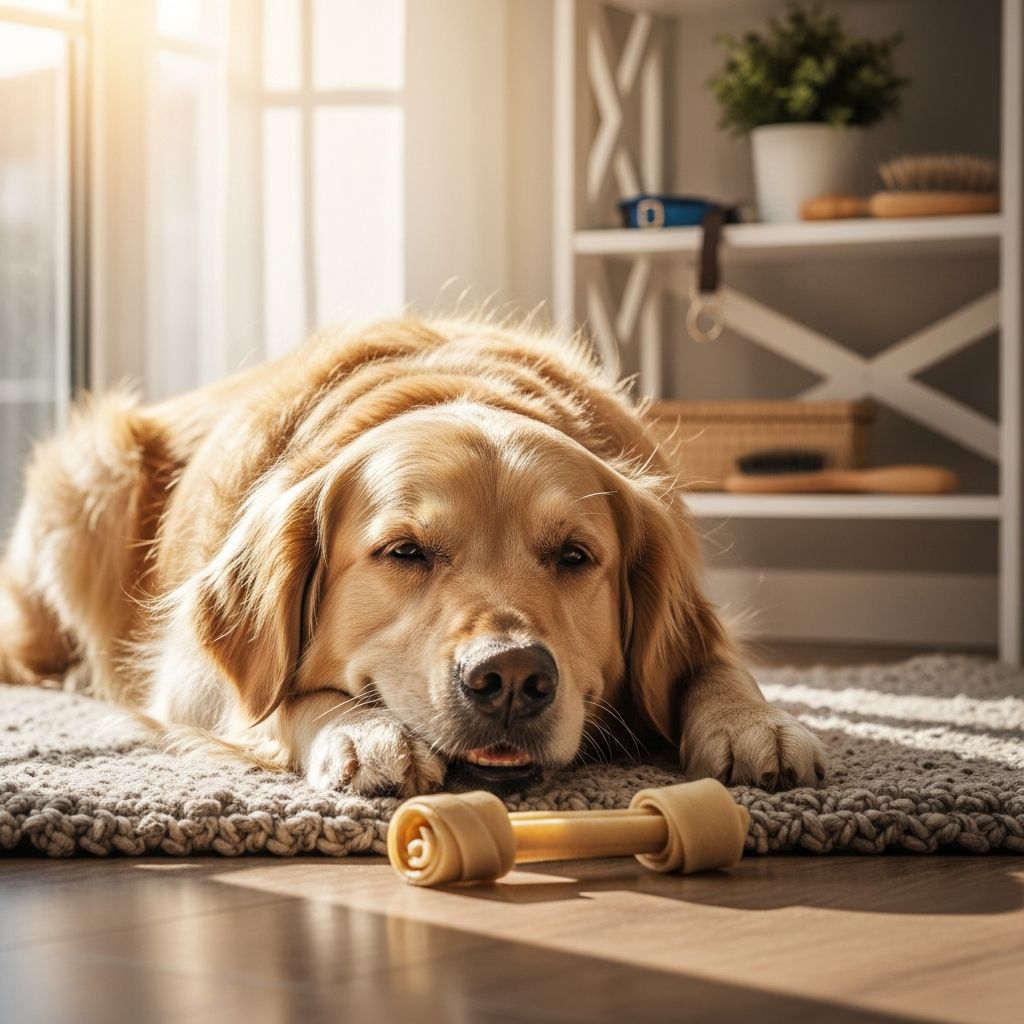
Dogs flourish with predictable daily schedules that mirror their pack instincts, promoting security, better behavior, and optimal health across all ages.
The Science Behind Routine for Canine Well-Being
Canines evolved in structured social groups where roles and timings were clear, making consistency a cornerstone of their mental stability. Modern disruptions like irregular owner schedules can trigger stress responses, leading to restlessness or unwanted habits. A fixed routine minimizes surprises, fostering a sense of control and lowering cortisol levels for calmer pets.
Physiologically, steady patterns regulate digestion, metabolism, and sleep cycles. Scheduled feedings prevent gastric issues, while timed activity supports cardiovascular fitness and joint maintenance. Mentally, routines integrate enrichment, preventing boredom-induced chewing or barking.
Key Advantages of Structured Schedules
- Stress Reduction: Predictability curbs anxiety from unknown meal or walk times, building confidence.
- Health Optimization: Regular nutrition and movement ensure balanced energy, weight control, and vitality.
- Behavior Improvement: Habits form through repetition, enhancing obedience and reducing mischief.
- Stronger Bonds: Shared rituals like walks deepen trust and mutual understanding.
Building Blocks of an Effective Dog Day
Core elements include timed meals, physical outlets, brain games, and rest periods. Fresh water stays constant, with adjustments for age, breed, and energy needs. Aim for simplicity first, repeating blocks daily to embed ‘muscle memory’.
| Component | Purpose | Frequency |
|---|---|---|
| Meals | Nutrient delivery, digestion aid | 2x daily |
| Walks/Exercise | Physical fitness, potty | 2-3x, 30-45 min total |
| Enrichment | Mental sharpness | Daily sessions |
| Rest | Recovery, calm | Multiple naps |
Tailoring Routines by Life Stage
Puppy Foundations (Under 1 Year)
Young dogs need frequent potty breaks every 2-3 hours due to small bladders. Incorporate short play bursts, basic training, and naps to match growth spurts. Sample day: wake-up potty (6 AM), breakfast (6:30), play/train (7-8), nap (9), repeat with lunch (12), more activity, dinner (5), bedtime wind-down (8 PM).
Adult Prime Time (1-7 Years)
Balanced energy calls for morning exercise post-breakfast to burn calories, midday mental puzzles, and evening leisure walks. Include grooming or vet reminders weekly. Example: potty/breakfast (7 AM), brisk walk (7:30), work break toy (10 AM), lunch potty (12), afternoon fetch (4 PM), dinner (6), relax/train (7), night potty (10 PM).
Senior Stability (7+ Years)
Gentler paces suit aging joints: short, frequent outings, medication timing with meals, and low-impact enrichment like scent games. Monitor for arthritis with vet-approved supplements. Routine: early potty/breakfast/meds (6 AM), gentle stroll (6:30), puzzle toy (9), midday break (12), light play (3 PM), dinner (5), evening cuddle (7), final potty (9 PM).
Overcoming Common Routine Hurdles
Busy lifestyles challenge consistency, but start small—fixed meal times yield quick wins. Travel? Use crates or daycare mimicking home patterns. Picky eaters? Align treats with schedule slots. Track via apps for adherence, adjusting seasonally for daylight shifts.
- Owner travel: Pre-arrange caregiver with printed itinerary.
- Variable work: Core blocks (meals, main walk) immovable.
- Multi-pet homes: Stagger for equity.
Pro Tips for Lasting Success
Stick to cues like leashes or bowls signaling events. Reward compliance to reinforce. Annual vet checks fine-tune for health changes. Sunlight exposure aids vitamin D, so outdoor time matters.
Routines aren’t rigid prisons but flexible frameworks evolving with your dog’s needs, ensuring lifelong joy.
Frequently Asked Questions
How long to establish a routine?
Most dogs adapt in 1-2 weeks with unwavering consistency.
Can routines fix aggression?
They reduce stress triggers but pair with professional training for deep issues.
What if my dog resists change?
Gradual shifts over days, using high-value rewards.
Free-feeding vs. scheduled?
Scheduled promotes health monitoring and potty prediction.
Best exercise for apartments?
Indoor fetch, stairs, or puzzle walks suffice for 20-30 mins.
Real-Life Transformations
Owners report 50% fewer incidents post-routine adoption, with seniors gaining mobility confidence. One study-linked insight: consistent activity cuts obesity risks by 30%.
References
- Benefits of Building a Routine for Your Dog — Kradle My Pet. 2023. https://kradlemypet.com/blogs/cbd/benefits-of-dog-routine-and-schedule
- A Guide to an Ideal Routine for Your Dog — KC Dawgz. 2024. https://kcdawgz.com/a-guide-to-an-ideal-routine-for-your-dog-why-it-is-important-kansas-city/
- The Importance of Daily Routine for Dogs — JustFoodForDogs Blog. 2023. https://blog.justfoodfordogs.com/dog-schedule.html
- The Importance of Routine in Your Pet’s Life — The Wright Pet. 2022. https://thewrightpet.com/the-importance-of-routine-in-your-pets-life/
- Why Your Pet Needs a Routine — Ingleside Animal Hospital. 2023. https://www.ingleside.com/services/blog/why-your-pet-needs-routine-0
- Benefits of Routine for Dogs — Greenlin Pet Resorts. 2024. https://www.greenlinpetresorts.com/blog/the-benefits-of-routine-for-dogs/
- Why Your Dog Needs a Routine at Every Stage of Life — American Kennel Club (AKC). 2023. https://www.akc.org/expert-advice/health/why-your-dog-needs-routine/
Similar Articles








Read full bio of Sneha Tete




