

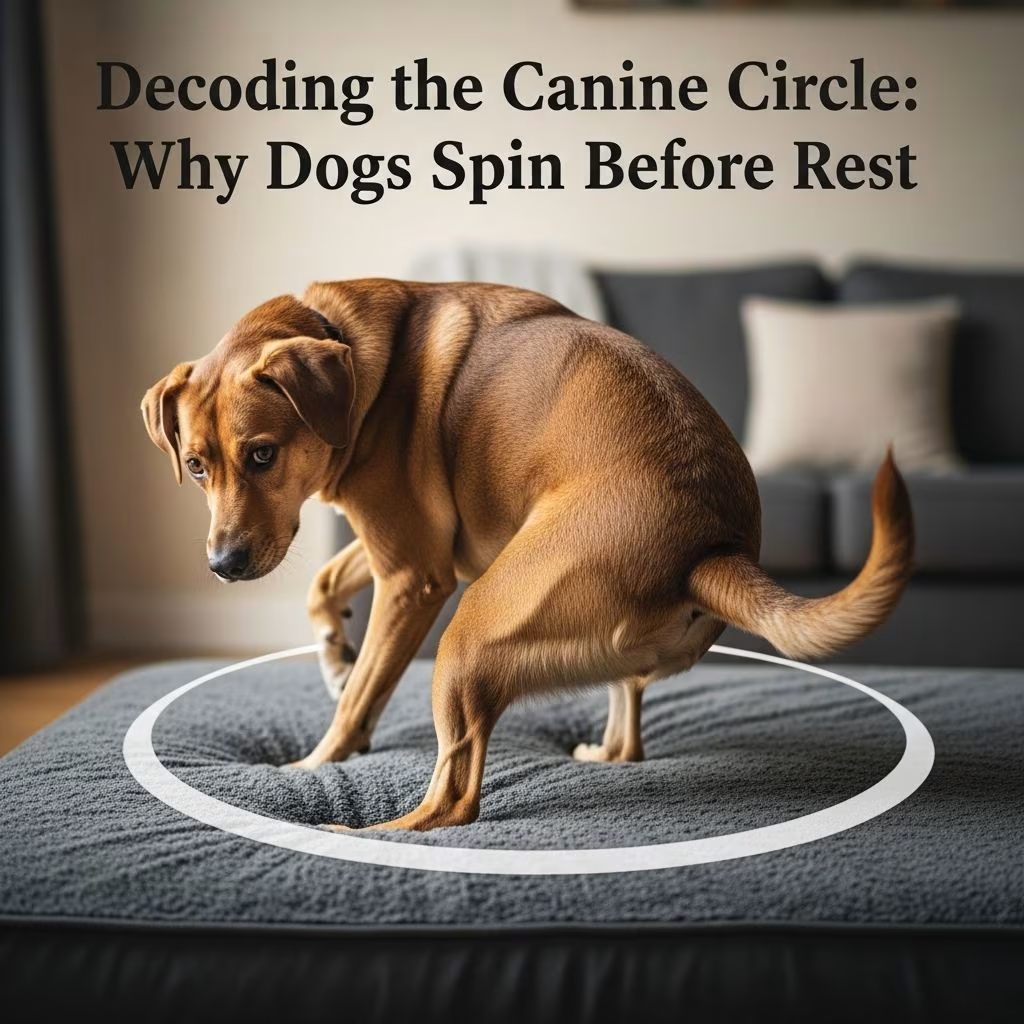
Dogs frequently perform a distinctive spinning motion before settling down to rest, a behavior rooted in their evolutionary past and serving multiple practical purposes today. This ritual, observed across breeds and ages, combines instinctual drives with responses to their immediate environment, offering pet owners valuable clues about their companions’ needs.
The Evolutionary Legacy of the Pre-Rest Spin
At its core, the circling habit traces back to dogs’ wild ancestors, such as wolves, who needed to prepare safe resting spots in unpredictable natural settings. In the wild, canines would rotate to flatten tall grass, snow, or debris, creating a level depression that minimized discomfort from uneven terrain. This action also allowed them to orient their bodies optimally, often facing the wind to detect approaching threats via scent, enhancing survival odds during vulnerable sleep periods.
Domestic dogs retain this genetic imprint despite cozy homes and soft bedding. The behavior persists as a hardwired response, demonstrating how deeply ingrained survival strategies influence modern pet actions. Even in safe environments, the spin activates when dogs transition from activity to rest, echoing millennia of adaptation.
Practical Comfort: Crafting the Ideal Resting Nook
Beyond heritage, circling addresses immediate physical needs by customizing the sleep surface. Dogs paw and turn to redistribute bedding material, pushing aside wrinkles, toys, or lumps that could poke during slumber. Research shows this is especially pronounced on uneven or plush surfaces; in one study, 55% of dogs circled on shag carpet versus just 19% on smooth floors, indicating a drive to even out softer, irregular spots.
- Bedding adjustment: Flattens fabrics or cushions for uniform support.
- Debris clearance: Dislodges small objects or insects that might irritate.
- Body alignment: Tests multiple positions to relieve joint pressure.
For older dogs, this ritual gains added importance, helping alleviate arthritis stiffness by gently stretching muscles and finding pressure-free postures.
Safety Scanning: Vigilance in Every Turn
Circling doubles as a security patrol, letting dogs survey 360 degrees for hazards. Wild predecessors used this to spot predators, snakes, or rival pack members lurking nearby. Today, indoor dogs might check for household pets, moving furniture, or unfamiliar scents, satisfying an innate alertness even in low-risk spaces.
This multi-sensory check incorporates sniffing and visual sweeps, reinforcing territorial familiarity. By scent-marking subtly through paw pads during turns, dogs reaffirm their space as secure.
Thermoregulation and Physical Relief
Dogs lack human sweat glands, relying on panting, conduction, and positioning for temperature control. Spinning helps them arrange fur and limbs to capture body heat in cool conditions or expose skin for cooling. It also eases muscle tension, particularly beneficial for active or aging pets.
| Environmental Factor | How Circling Helps |
|---|---|
| Cool temperatures | Tucks legs and belly under for warmth retention |
| Warm conditions | Spreads out to increase surface cooling |
| Joint discomfort | Shifts weight to find pain-free angles |
Mental Transition: From Alertness to Relaxation
The spin acts as a psychological bridge, signaling the shift from daytime vigilance to restful downtime. Repetitive motion releases endorphins, calming high-energy dogs or those with mild anxiety. Puppies often exaggerate it playfully, while seniors may prolong it to soothe age-related unease.
This self-soothing parallels human bedtime routines, promoting emotional balance and better sleep quality.
When Circling Signals Health Concerns
While typically benign, excessive or altered spinning warrants attention. Sudden increases might indicate pain from hip dysplasia, neurological issues, or infections prompting discomfort-based pacing.
- Arthritis or joint pain: Reluctant settling after many turns.
- Neurological problems: Unsteady, compulsive circling without rest.
- Urinary issues: Frequent attempts paired with whining.
- Cognitive decline: In seniors, disorientation during the ritual.
Monitor for accompanying signs like limping, appetite loss, or vocalizing. Early vet consultation can address underlying conditions, improving quality of life.
Breed and Age Variations in the Ritual
Not all dogs circle identically. High-energy breeds like Border Collies may spin vigorously to expend energy, while brachycephalic types (e.g., Bulldogs) opt for minimal turns due to breathing limits. Puppies circle exploratively, honing spatial awareness, whereas seniors adapt it for therapeutic relief.
Observational data suggests environmental adaptation: yard dogs on grass circle more than those on firm mats, aligning with surface preparation needs.
Enhancing Your Dog’s Resting Experience
Support natural behaviors to boost comfort:
- Provide orthopedic beds with removable, fluffed covers for easy adjustment.
- Ensure quiet, draft-free zones to minimize stress-induced spins.
- Use puzzle toys pre-rest to channel mental energy.
- Regular exercise prevents excess pent-up tension.
Avoid interrupting the ritual unless problematic, as it fulfills innate needs.
FAQs: Common Questions on Dog Circling
Is excessive circling always a health red flag?
No, but pair it with other symptoms like lethargy for vet checks. Normal variation depends on habit and surface.
Can training stop the spinning?
It’s instinctual, so discourage only if compulsive. Focus on comfortable setups instead.
Why do some dogs skip circling entirely?
Individual temperament, flat surfaces, or breed traits influence frequency.
Does circling differ between puppies and adults?
Puppies play more; adults prioritize efficiency and comfort.
Should I worry if my senior dog circles more?
Possibly age-related pain; orthopedic aids and exams help.
Observing and Recording for Better Insights
Track your dog’s patterns: note spin count, duration, triggers, and post-rest behavior. Apps or journals reveal trends, aiding discussions with behaviorists or vets. This proactive approach strengthens the human-canine bond through informed care.
Understanding circling enriches appreciation for dogs’ complex inner worlds, blending ancient survival with contemporary companionship.
References
- Why Do Dogs Turn in Circles Before Lying Down? — Psychology Today. 2016-01-01. https://www.psychologytoday.com/us/blog/canine-corner/201601/why-do-dogs-turn-in-circles-lying-down
- Why Dogs Circle Before Resting: A Deep Dive into Canine Behavior — Caring Hands Animal Hospital. 2023-01-01. https://caringhandsvet.com/the-reasons-dogs-circle-before-lying-down/
- Why Dogs Turn Around Before Lying Down — VCA Animal Hospitals. 2024-01-01. https://vcahospitals.com/know-your-pet/why-dogs-turn-around-before-lying-down
- Why Do Dogs Walk Circles Before Lying Down? — HEVH. 2023-01-01. https://www.hevh.net/why-do-dogs-walk-in-circles-before-lying-down/
- Why Dogs Spin Before Lying Down: Senior Pet Insights — Watsons Friends. 2023-01-01. https://www.watsonsfriends.com/why-dogs-spin-before-lying-down/



