

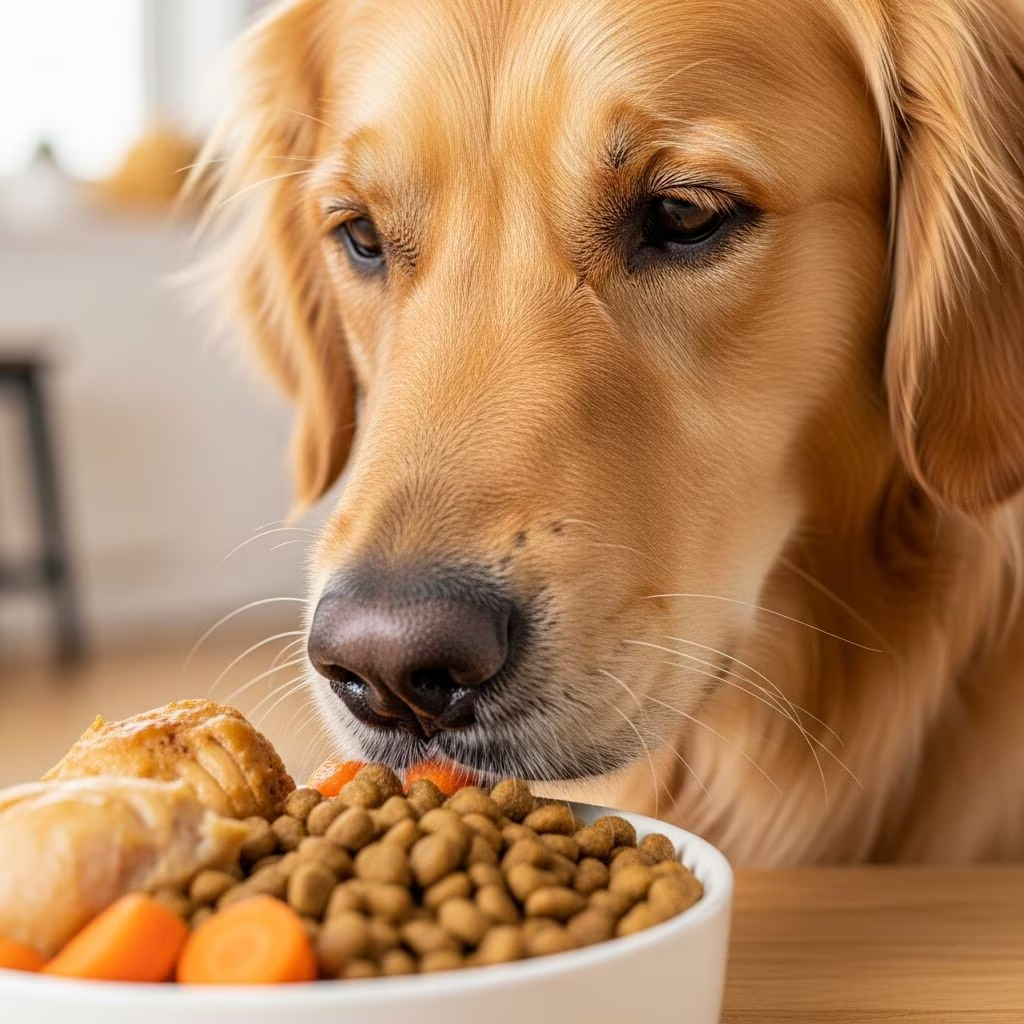
Dogs naturally investigate their meals by sniffing before consuming them, but when this turns into prolonged inspection without eating, it signals underlying concerns ranging from behavioral hesitations to medical conditions. This behavior often stems from instinctual caution, environmental factors, or health problems that make eating unappealing or painful.
Decoding the Sniffing Ritual at Mealtime
Canines rely on their superior sense of smell to evaluate food safety and quality. A quick sniff followed by eating is normal, but extended sniffing without consumption indicates hesitation. This pause allows dogs to assess scents for familiarity, freshness, and potential threats. According to veterinary resources, such patterns frequently link to emotional states or physical discomfort rather than outright food rejection.
Dogs process olfactory cues through specialized organs like the vomeronasal organ, which detects pheromones and subtle aroma changes. An unfamiliar or off-putting odor from a new bag of food, environmental shifts, or even residual smells from human cooking can trigger this investigative stall.
Stress and Anxiety: The Silent Appetite Killers
Mealtime pressure often amplifies sniffing without eating. Hovering owners, loud noises, or competition from other pets create tension, turning the bowl into a stress zone. Dogs in these scenarios sniff to gather environmental data, delaying intake until they feel secure.
- High-traffic feeding areas distract sensitive noses.
- Recent household changes, like new furniture or visitors, introduce novel scents.
- Over-enthusiastic encouragement paradoxically increases hesitation by heightening expectations.
Behavioral experts note that calm, predictable routines help mitigate this. Remove distractions, feed in a quiet spot, and step away to allow independent eating.
Medical Causes Behind Mealtime Reluctance
Persistent sniffing without eating warrants a veterinary check, as pain or illness frequently underlies it. Dental issues top the list, with conditions causing discomfort during chewing.
| Condition | Symptoms | Impact on Eating |
|---|---|---|
| Dental Disease | Bad breath, drooling, loose teeth | Pain when biting kibble |
| Ear Infections | Head shaking, odor from ears | General malaise reduces hunger |
| Gastrointestinal Upset | Vomiting, diarrhea | Nausea from infections or blockages |
| Organ Dysfunction | Lethargy, weight loss | Kidney/liver issues cause poor appetite |
Systemic illnesses like kidney disease lead to nausea via excess stomach acidity, while orthopedic pain from arthritis hinders bowl access. PetMD highlights gastrointestinal obstructions and pancreatitis as common culprits, often presenting with additional signs like trembling or hunched posture.
Picky Eaters vs. Genuine Problems
Not all cases signal crisis; some dogs develop finicky preferences, especially if accustomed to treats or human scraps. GoodRx explains that dogs holding out for “better” options sniff and walk away strategically. Distinguish this from new-onset refusal, which may indicate spoiled food—check for mold or rancid smells in fresh bags.
- Avoid tempting with toppers until health is ruled out.
- Consistent feeders suddenly hesitating? Inspect food quality first.
- Chronic pickiness maintains weight? Monitor but don’t indulge.
Environmental and Sensory Influences
Beyond health and stress, subtle shifts provoke sniffing pauses. A relocated bowl, new cleaning products, or outdoor scents wafting in alter the olfactory landscape. Dogs with heightened scent sensitivity, like breeds with many receptors, react strongly to these variances.
Competition or food guarding in multi-pet homes adds tension, prompting protective sniffing. Royal Kennel Club resources emphasize that scavenging or dietary changes can upset stomachs, mimicking pickiness.
Step-by-Step Fixes for Restoring Appetite
- Rule Out Health Issues: Schedule a vet exam for dental checks, bloodwork, and pain assessment.
- Optimize the Environment: Feed in a low-distraction zone at consistent times.
- Enhance Food Appeal Safely: Warm kibble slightly or add vet-approved broth after confirming no spoilage.
- Implement a Schedule:
- Reduce Interventions: Avoid staring or coaxing to lower pressure.
Offer meals for 15 minutes; remove uneaten portions to build hunger cues.
These strategies, drawn from sources like GoodRx and PetMD, promote natural hunger without reinforcing bad habits.
When to Escalate to Professional Help
Monitor for red flags: refusal over 48 hours, weight loss, vomiting, or behavioral shifts like irritability. The Royal Kennel Club advises prompt action for puppies, seniors, or those with pre-existing conditions. Early intervention prevents dehydration and nutrient deficits.
Preventive Strategies for Healthy Eating Habits
Proactive measures ensure consistent appetites. Rotate proteins gradually, maintain dental hygiene with chews, and track weight monthly. Stress-reduction tools like puzzle feeders engage noses positively, channeling sniffing into play.
- Daily exercise boosts hunger hormones.
- Balanced diets support gut health, reducing nausea risks.
- Regular vet wellness exams catch issues early.
FAQs: Common Questions on Dog Feeding Hesitation
Is it normal for dogs to sniff food extensively?
Brief sniffing is standard; prolonged without eating isn’t. Investigate stress or health if persistent.
What if my dog eats treats but ignores kibble?
This suggests preference conditioning. Transition back to meals-only, consulting a vet for allergies.
Can spoiled food cause sniffing refusal?
Yes—dogs detect mold or rancidity. Discard suspect batches immediately.
How long can a healthy dog go without eating?
Up to 48 hours, but provide water. Seek vet care sooner for vulnerable dogs.
Does age affect mealtime sniffing?
Seniors may have dental wear or reduced senses; puppies explore more but should eat reliably.
Nutritional Insights for Optimal Canine Diets
High-quality, AAFCO-approved foods minimize refusal risks. Wet foods suit dental-challenged dogs, while senior formulas address organ support. Hydration via wet or soaked kibble combats nausea from dry diets.
Research from veterinary bodies underscores balanced nutrition’s role in appetite regulation. Avoid abrupt changes to prevent tummy woes.
References
- Why Is My Dog Not Eating? Causes and What To Do — PetMD. 2023-05-15. https://www.petmd.com/dog/symptoms/why-my-dog-not-eating
- 7 Reasons Why Your Dog Is Not Eating (and How to Help) — GoodRx. 2024-02-20. https://www.goodrx.com/pet-health/dog/not-eating
- Reasons why my dog won’t eat their food — The Royal Kennel Club. 2023-11-10. https://www.royalkennelclub.com/health-and-dog-care/health-dog-care/health/health-and-care/a-z-of-health-and-care-issues/reasons-why-my-dog-won-t-eat-their-food/
- Dog Sniffing Food But Not Eating — Whole Dog Journal. 2024-08-05. https://www.whole-dog-journal.com/health/dog-sniffing-food-but-not-eating/
- Why Does My Dog Sniff His Food and Walk Away? — MrFluffyFriend. 2024-03-12. https://mrfluffyfriend.com/blogs/fluffy-friend-family-blog/dog-sniffs-food-walks-away



