Why Dogs Sniff Crotches: Canine Scent Secrets
Unravel the science behind your dog's embarrassing sniffing habit and learn how canine noses decode human scents for social clues.
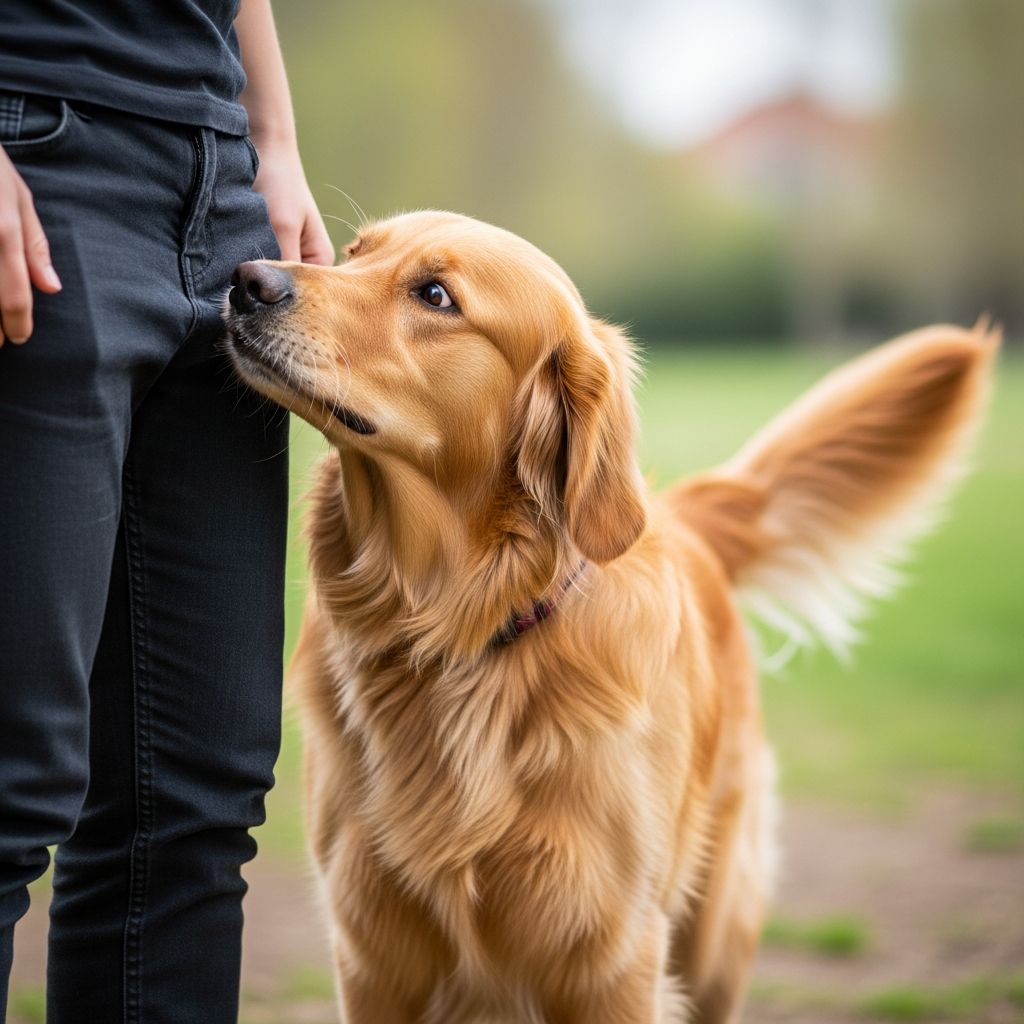
Dogs target human crotches with their noses because this area releases the richest concentration of personal scent information, allowing them to identify individuals, detect health status, and assess social dynamics through powerful olfactory senses. This instinctive behavior mimics how dogs investigate urine marks from other dogs, gathering data on sex, reproductive status, stress levels, and more.
The Superpowered Canine Nose: A World of Scents
A dog’s olfactory system far surpasses humans’, with up to 300 million receptors compared to our 6 million, enabling them to detect odors at concentrations 100,000 times lower than we can. In the crotch region, apocrine sweat glands—most concentrated in the genital and anal areas—produce unique pheromones and volatile compounds that broadcast personal identity like a biological ID card.
When dogs sniff crotches, they access ‘scent profiles’ similar to pee-mail left by other canines, which conveys gender, spay/neuter status, hormonal cycles, health indicators, and emotional states. This isn’t random rudeness; it’s efficient data collection in a dog’s primary sensory language.
Biological Reasons for Genital Sniffing
Apocrine glands activate during puberty and secrete lipids, proteins, and steroids that create individualized scents. Dogs evolved to prioritize these because they carry reproductive and social signals crucial for pack survival. Intact dogs show stronger interest, but neutered pets continue due to ingrained instincts.
- Reproductive cues: Detects females in estrus or males’ testosterone levels via androstenone compounds.
- Health markers: Illness alters body odors; dogs sense metabolic changes or infections.
- Social hierarchy: Stress pheromones reveal dominance or submission.
Females investigate both sexes’ scents thoroughly, while males focus on rivals, mirroring urine-marking patterns where both genders participate but strategize differently.
Differences in Male vs. Female Dog Sniffing
| Aspect | Male Dogs | Female Dogs |
|---|---|---|
| Primary Focus | Rival males’ scents for competition | Unfamiliar males/females equally |
| Marking Style | Over-marking (on top) | Adjacent marking (nearby) |
| Frequency | Higher in intact high-status males | Common post-maturity |
Both sexes mark and sniff post-sexual maturity, around 1.5-2 years, with 70-90% exhibiting by age 2. Neutering reduces but doesn’t eliminate the drive.
Triggers That Prompt Crotch Sniffing
Environmental changes amplify this behavior, as dogs seek updated scent intel:
- New people or pets introduce unfamiliar odors.
- Stressors like household moves, visitors, or absences heighten anxiety-driven sniffing.
- Unfamiliar locations (vet clinics, friends’ homes) prompt investigation.
- Social conflicts or novel objects carry intriguing smells.
Unlike spiteful acts, this stems from territorial reassurance or anxiety resolution, not revenge. Dogs near bladders may sniff more as urine scents intensify.
Is Crotch Sniffing Linked to Marking Behavior?
Directly: sniffing precedes marking, as dogs evaluate then deposit their own scent. Indoor marking uses tiny urine volumes on vertical surfaces, distinct from full bladder voids. Crotch sniffing in humans serves the same reconnaissance role before potential marking elsewhere. Anxiety or territorial insecurity drives repeated checks.
Triggers overlap: new scents provoke both sniffing and marking. Females adjacent-mark, males over-mark rivals.
How to Politely Redirect Your Dog’s Greetings
Manage without punishment, which worsens anxiety. Focus on prevention and positives:
- Supervise rigorously: Keep dogs leashed indoors; intervene pre-sniff.
- Clean thoroughly: Use enzymatic cleaners (not ammonia) to erase old marks.
- Neuter/spay: Reduces frequency, especially in intact dogs.
- Block access: Baby gates, crates for unsupervised times.
- Calming aids: Pheromone diffusers soothe anxiety.
Train alternatives: Teach ‘sit’ for greetings with treats, redirecting nose to hands/feet. Increase exercise to lower stress.
When to Consult a Professional
If sniffing escalates with marking, aggression, or persists post-management, vet-check rules out UTIs or hormonal issues. Certified behaviorists address complex anxiety/territoriality. Avoid delayed punishments; they confuse and fear-induce.
Common Myths About Dog Sniffing Debunked
- Myth: Only males do it. Both genders equally.
- Myth: It’s spiteful. Pure instinct, not emotion.
- Myth: Neutering stops it fully. Reduces but instinct lingers.
- Myth: Punishment works. Increases fear/anxiety.
Frequently Asked Questions (FAQs)
Why does my dog sniff my crotch more than others?
You’re the primary bond; they seek your updated scent profile daily.
Does crotch sniffing mean my dog is dominant?
No, it’s information-gathering, not power play.
How long until my puppy stops sniffing crotches?
Post-maturity (1-2 years), but training refines it earlier.
Can I train my dog to stop completely?
Redirect fully with consistency; elimination rare due to instinct.
Is crotch sniffing a sign of medical issues?
Possibly if sudden/excessive; vet for urinary problems.
Understanding Canine Communication Holistically
Beyond crotches, dogs use sniffing for all greetings—anal, paws, ears—building full profiles. Respect this as their ‘handshake’; humans waving ignores it. Embrace by offering hand-scent first.
In multi-dog homes, watch for escalated sniffing/marking signaling tensions. Early intervention prevents fights.
References
- Canine Scent Marking: What, Why, and Next Steps — Embrace Pet Insurance. 2023. https://www.embracepetinsurance.com/waterbowl/article/canine-scent-marking
- Urine Marking in Dogs — Clinician’s Brief (Debra F. Horwitz, DVM, DACVB). 2024-07-20. https://www.cliniciansbrief.com/article/urine-marking-dogs
- Dog Behavioral Problems: Marking — VCA Animal Hospitals. 2025. https://vcahospitals.com/know-your-pet/dog-behavior-problems-marking-behavior
Similar Articles


Read full bio of Sneha Tete