

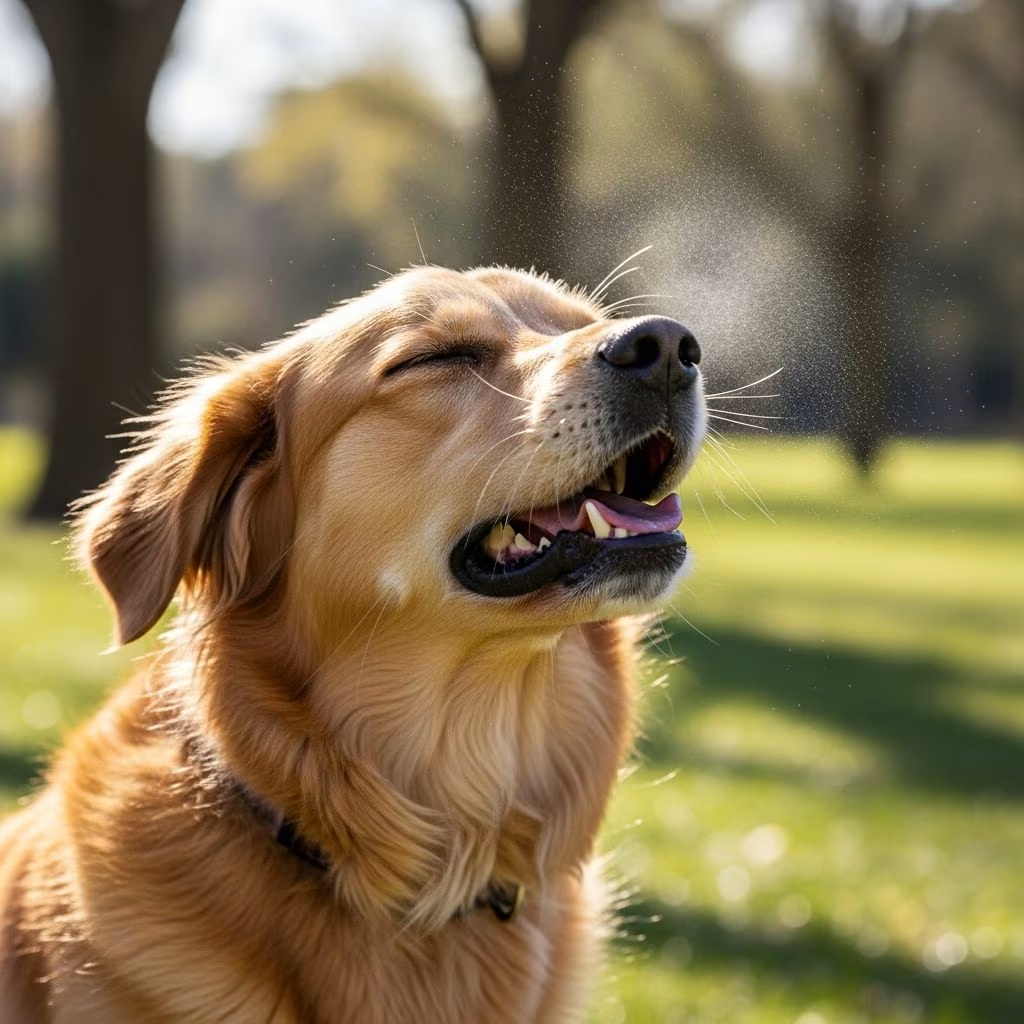
Dogs frequently exhibit sneezing during energetic play sessions, a behavior that often puzzles pet owners. This phenomenon, commonly known as play sneezing, serves multiple purposes ranging from social communication to physical reflexes. Understanding these sneezes can enhance your bond with your canine companion and help you monitor their well-being effectively.
The Science Behind Canine Sneezes
Sneezing in dogs is a reflexive action designed to expel irritants from the nasal passages. The mechanism involves a rapid inhalation followed by a forceful expulsion of air, clearing dust, pollen, or foreign particles. During play, this reflex can be triggered more readily due to heightened activity levels and environmental factors.
Research from veterinary behaviorists indicates that not all sneezes are identical. Play-related sneezes tend to be milder and more frequent compared to those caused by illness or allergies. This distinction is crucial for owners to differentiate between harmless habits and potential health concerns.
Primary Reasons for Play Sneezes
Several factors contribute to dogs sneezing while engaged in play. These can be broadly categorized into behavioral, physiological, and environmental triggers.
Excitement and Joy as a Trigger
One of the most prevalent causes is sheer excitement. As dogs romp and chase, their bodies release pent-up energy, sometimes manifesting as quick sneezes. Veterinary experts note that this acts as an emotional outlet, similar to how humans might laugh uncontrollably during fun activities.
Breeds with high energy levels, such as terriers or herding dogs, display this more often. The sneezes are typically soft, repetitive, and accompanied by a wagging tail and relaxed posture, signaling pure delight.
Social Communication Signals
Dogs use sneezes as a form of inter-canine dialogue during play. These ‘social sneezes’ reassure playmates that the interaction is friendly and not aggressive. For instance, during mock wrestling, a sneeze might indicate ‘this is all in good fun,’ preventing misunderstandings that could escalate into real conflicts.
This behavior is especially noticeable in multi-dog households or at dog parks. Owners report that sneezes often occur when dogs bow in the classic play stance, reinforcing the playful intent.
Environmental Irritants in Action
Play often involves digging, rolling, or sprinting through grass, dirt, or indoor floors, kicking up particles like dust, pollen, or grass seeds. Rapid breathing during exertion draws these irritants into the nostrils, prompting sneezes to clear the airways.
Indoor play on carpets can similarly stir allergens, making sneezing common in homes with shedding breeds. Keeping play areas clean reduces this trigger significantly.
Distinguishing Play Sneezes from Problematic Ones
Not every sneeze warrants alarm, but context matters. Play sneezes are generally benign, but persistent or altered patterns may signal underlying issues.
| Feature | Play Sneeze | Concerning Sneeze |
|---|---|---|
| Timing | Only during activity/excitement | At rest or randomly |
| Intensity | Soft, short bursts | Forceful, with head snap |
| Frequency | Multiple light ones | Persistent or isolated strong ones |
| Discharge | Clear or none | Yellow, green, bloody |
| Other Signs | Happy demeanor | Pawing nose, coughing, lethargy |
This comparison highlights key differences. Play sneezes align with fun moments and cease when activity stops, whereas medical sneezes persist.
When to Consult a Veterinarian
Monitor for red flags such as sneezing accompanied by nasal discharge, facial pawing, coughing, or breathing difficulties. These could indicate infections, allergies, nasal mites, or foreign objects.
If sneezing occurs outside play, lasts beyond a few days, or includes blood, seek professional evaluation promptly. Early intervention often resolves issues like upper respiratory infections with simple treatments.
- Sneezing with yellow/green mucus: Possible bacterial infection.
- Bloody discharge: Trauma or clotting issues.
- Accompanied by sneezing in eyes or lethargy: Allergies or systemic illness.
Breeds Prone to Play Sneezing
Certain breeds exhibit this behavior more due to anatomy or temperament. Brachycephalic (short-nosed) dogs like Pugs or Bulldogs may sneeze from narrowed airways exacerbated by play. High-energy toy breeds such as Jack Russell Terriers or Miniature Schnauzers frequently ‘play sneeze’ as communication.
Larger sporting breeds like Labradors also show it during fetch games, blending excitement with dust inhalation.
Tips to Manage and Reduce Play Sneezes
While harmless, minimizing sneezes improves comfort. Practical strategies include:
- Clean play zones: Vacuum carpets and sweep outdoor areas to limit dust.
- Choose low-allergen environments: Opt for grass-free play spots if pollen-sensitive.
- Provide breaks: Pause intense sessions to prevent overstimulation.
- Use toys for channeling energy: Durable fetch toys redirect enthusiasm safely.
- Monitor hydration: Ensure water access to soothe nasal passages.
For allergy-prone dogs, vet-recommended supplements or wipes can offer relief without medication.
Myths and Misconceptions About Dog Sneezes
Several myths persist. One claims all play sneezes mean the dog wants to stop—false; context like body language matters. Another suggests sneezes indicate weakness—no, they’re a strength in canine social toolkit.
Owners sometimes mistake them for colds, but true illnesses involve additional symptoms like fever or appetite loss.
Enhancing Playtime Safety
To foster healthy play, observe group dynamics. In multi-dog play, sneezes help de-escalate roughhousing. If one dog shows stress signs alongside sneezes (yawning, lip-licking), intervene.
Supervised sessions build trust and allow quick response to any issues, ensuring play remains a positive experience.
Frequently Asked Questions
Is frequent sneezing during play normal?
Yes, it’s a standard expression of excitement or irritant clearance in most dogs, especially active ones.
Why does my dog sneeze directly at me?
It’s unintentional—your position in their play zone catches the sneeze, not targeted rudeness.
Can play sneezing indicate allergies?
Possibly, if persistent beyond play with other allergy signs; consult a vet for testing.
Do puppies sneeze more during play?
Puppies often do due to developing nasal passages and boundless energy, but monitor patterns.
Should I stop play if sneezing starts?
Not unless accompanied by distress; otherwise, it’s part of the fun.
Long-Term Health Monitoring
Tracking sneeze patterns in a journal aids in spotting changes early. Note frequency, triggers, and symptoms. Annual vet check-ups complement this, catching chronic issues like rhinitis.
Nutrition plays a role—diets rich in omega-3s support respiratory health, potentially reducing irritant sensitivity. Regular exercise, balanced with rest, optimizes overall vitality.
Understanding play sneezes enriches your relationship with your dog, turning a quirky habit into a window into their world. Embrace it as a sign of joy while staying vigilant for health cues.
References
- Why Do Dogs Sneeze When Playing? Is This Normal? — Chewy. 2023. https://www.chewy.com/education/dog/training-and-behavior/why-do-dogs-sneeze-when-playing
- Why Do Dogs Sneeze When They Play? A Guide — Marleybones. 2023. https://marleybones.com/blogs/news/why-do-dogs-sneeze-when-playing
- Why Does My Dog Sneeze When They’re Playing? — Sit Means Sit Detroit. 2023. https://sitmeanssit.com/dog-training-mu/metro-detroit-dog-training/why-does-my-dog-sneeze-when-theyre-playing/
- Why Dogs Sneeze When They Play — Whole Dog Journal. 2023. https://www.whole-dog-journal.com/behavior/why-dogs-sneeze-when-they-play/
- Why Does My Dog Sneeze During Play? — Rover.com. 2023. https://www.rover.com/blog/dogs-sneeze-play/
- Why Is My Dog Sneezing a Lot? — PetMD. 2025-01-15. https://www.petmd.com/dog/symptoms/why-my-dog-sneezing-a-lot



