

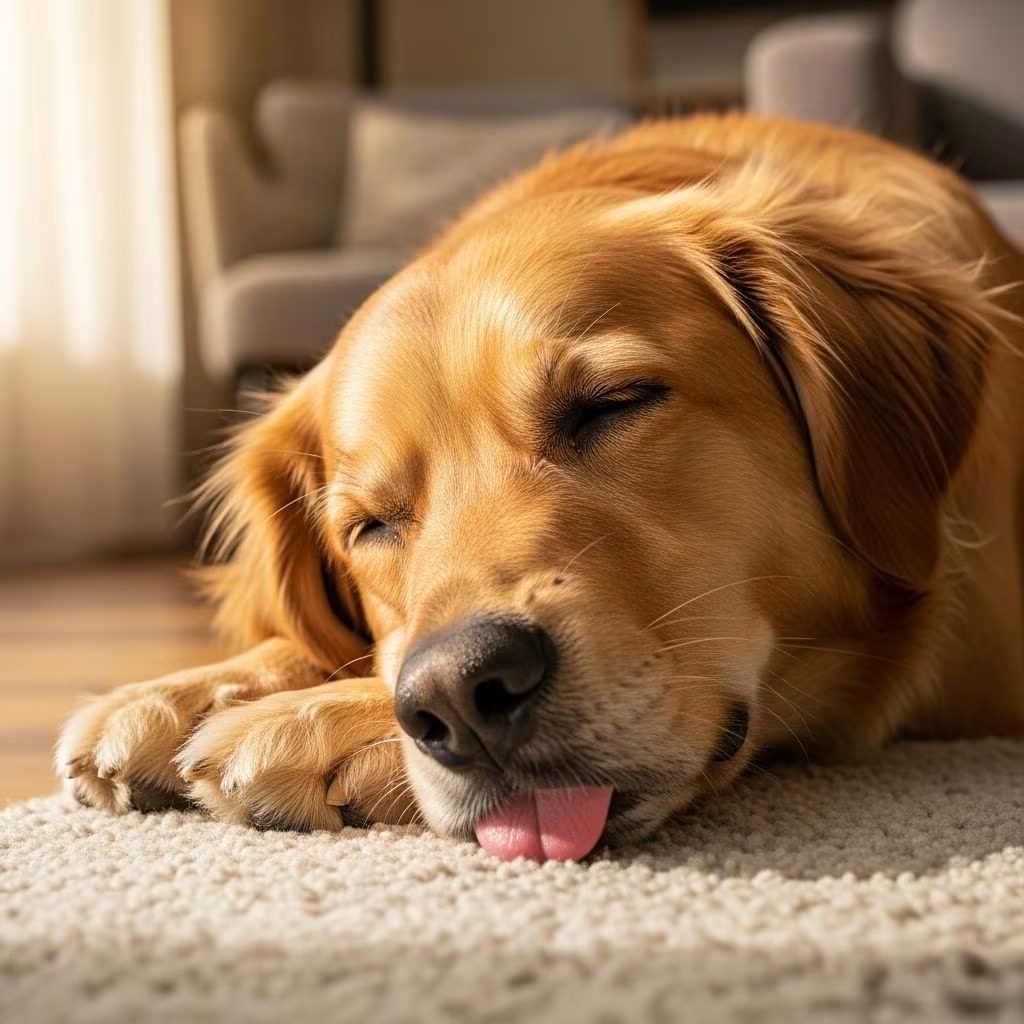
Dogs frequently sleep with their tongues protruding, a sight that charms many pet owners. This behavior stems from a mix of physiological, anatomical, and environmental factors. While often harmless, it can signal underlying problems in some cases. Understanding these causes helps owners distinguish between normal quirks and issues needing veterinary attention.
Normal Physiological Reasons
Many instances of dogs sleeping with tongues out relate to everyday bodily functions. These are typically benign and reflect a dog’s comfort or natural processes.
Temperature Regulation During Rest
Dogs cool themselves primarily through panting, as they lack sufficient sweat glands like humans. When asleep, a slightly extended tongue aids subtle evaporation, maintaining optimal body heat even without active panting. This is especially noticeable in warmer environments or after play. Breeds with compact airways, such as those with pushed-in faces, rely more on this method for airflow during sleep.
Deep Relaxation and Muscle Release
During profound sleep, jaw and tongue muscles fully loosen. This allows the tongue to slip forward naturally, much like human mouths open slightly when relaxed. Dogs in cozy spots, like soft beds, exhibit this more often, signaling contentment and trust in their surroundings.
Dreaming and REM Sleep Activity
In rapid eye movement (REM) sleep, dogs experience vivid dreams, often shown by twitching limbs or soft whines. Breathing quickens, mimicking wakeful panting, which can push the tongue outward. Owners might observe this alongside eye flickers under closed lids, confirming active dreaming.
Breed and Anatomy Influences
Certain physical traits predispose dogs to this sleeping habit, making it a standard feature rather than an anomaly.
Brachycephalic Breed Challenges
Flat-faced breeds like Pugs, Bulldogs, and French Bulldogs have shortened nasal passages, complicating nose breathing. Sleeping with the tongue out widens the airway, easing respiration. This adaptation prevents snoring or labored breaths during rest.
| Breed | Key Anatomical Feature | Sleep Tongue Out Frequency |
|---|---|---|
| Pug | Short muzzle | High |
| Bulldog | Compact airways | High |
| Boston Terrier | Brachycephalic skull | Moderate |
| Cavalier King Charles Spaniel | Mild brachycephaly | Occasional |
Hanging Tongue Syndrome Overview
This condition involves a permanently protruding tongue due to size mismatch with the mouth or nerve damage. Common in small or brachycephalic dogs, or post-trauma, it persists awake and asleep. While endearing, it risks dehydration, infections, or cold-weather damage, requiring monitoring.
Potential Health Concerns
Not all tongue-out sleeping is innocent. Several medical conditions can trigger or exacerbate this, warranting observation.
Dental and Oral Discomfort
Pain from tooth decay, gum inflammation, or missing teeth prompts dogs to avoid mouth closure. The tongue rests outside to bypass sore areas, often with excess drool or reduced eating. Routine dental exams prevent escalation.
- Gingivitis: Inflamed gums cause avoidance of pressure.
- Missing Teeth: Gaps fail to contain the tongue.
- Glossitis: Tongue swelling from infection or injury.
Respiratory and Neurological Factors
Airway obstructions or nerve impairments hinder tongue retraction. Neurological disorders affecting facial muscles lead to laxity, while injuries to jaw or spine exacerbate issues. Sudden onset demands prompt vet evaluation.
Dehydration and Medication Effects
Mild thirst dries the mouth, encouraging tongue exposure for moisture. Certain sedatives or muscle relaxants amplify this by deepening muscle slack. Ensure constant fresh water access.
When to Consult a Veterinarian
Monitor for accompanying symptoms to gauge urgency. Isolated tongue-out sleeping in a content dog is usually fine, but combined signs suggest action.
- Excessive panting or labored breathing.
- Sudden behavior change post-injury.
- Reduced appetite, drooling, or foul breath.
- Tongue discoloration, swelling, or constant protrusion.
- Lethargy, vomiting, or coordination loss.
Early intervention via physical exams, dental checks, or imaging resolves most concerns effectively.
FAQs
Is it bad if my dog sleeps with tongue out?
Usually not; it often indicates relaxation or breed traits. Persistent cases with other symptoms merit a vet visit.
Why do brachycephalic dogs do this more?
Their anatomy restricts nasal airflow, so tongue extension aids breathing during sleep.
Can hanging tongue syndrome be fixed?
Treatment varies by cause; surgery or management helps some, but many adapt well with care.
Does dreaming cause tongue protrusion?
Yes, REM sleep quickens breath, naturally extending the tongue.
How to prevent dental-related issues?
Daily brushing, dental chews, and annual cleanings maintain oral health.
Practical Tips for Dog Owners
Enhance your dog’s sleep quality and spot issues early with these strategies:
- Provide cool, ventilated sleeping areas to minimize heat buildup.
- Opt for supportive beds promoting neutral positions.
- Track sleep patterns via journals or cameras for changes.
- Maintain hydration with multiple water stations.
- Schedule bi-annual vet checkups, including dental assessments.
Observing your dog holistically ensures their well-being. This habit, while cute, offers insights into health when paired with context.
References
- 5 Reasons Why Your Dog Sleeps with His Tongue Out — Furiendship USA. 2023-05-15. https://www.furiendshipusa.com/blogs/news/5-reasons-why-your-dog-sleeps-with-his-tongue-out
- Why Does My Dog Sleep With Their Tongue Out? 10 Vet Reasons — Dogster. 2024-02-10. https://www.dogster.com/dog-health-care/why-does-my-dog-sleep-with-their-tongue-out
- Why Do Dogs Sleep With Their Tongues Out? — Snoozer Pet Products. 2022-12-01. https://snoozerpetproducts.com/2022/12/why-do-dogs-sleep-with-their-tongues-out/
- Dog Sticking Out Tongue: Why, What to Do, Prevention — WagWalking. 2023-08-20. https://wagwalking.com/symptom/why-is-my-dog-sticking-out-his-tongue



