

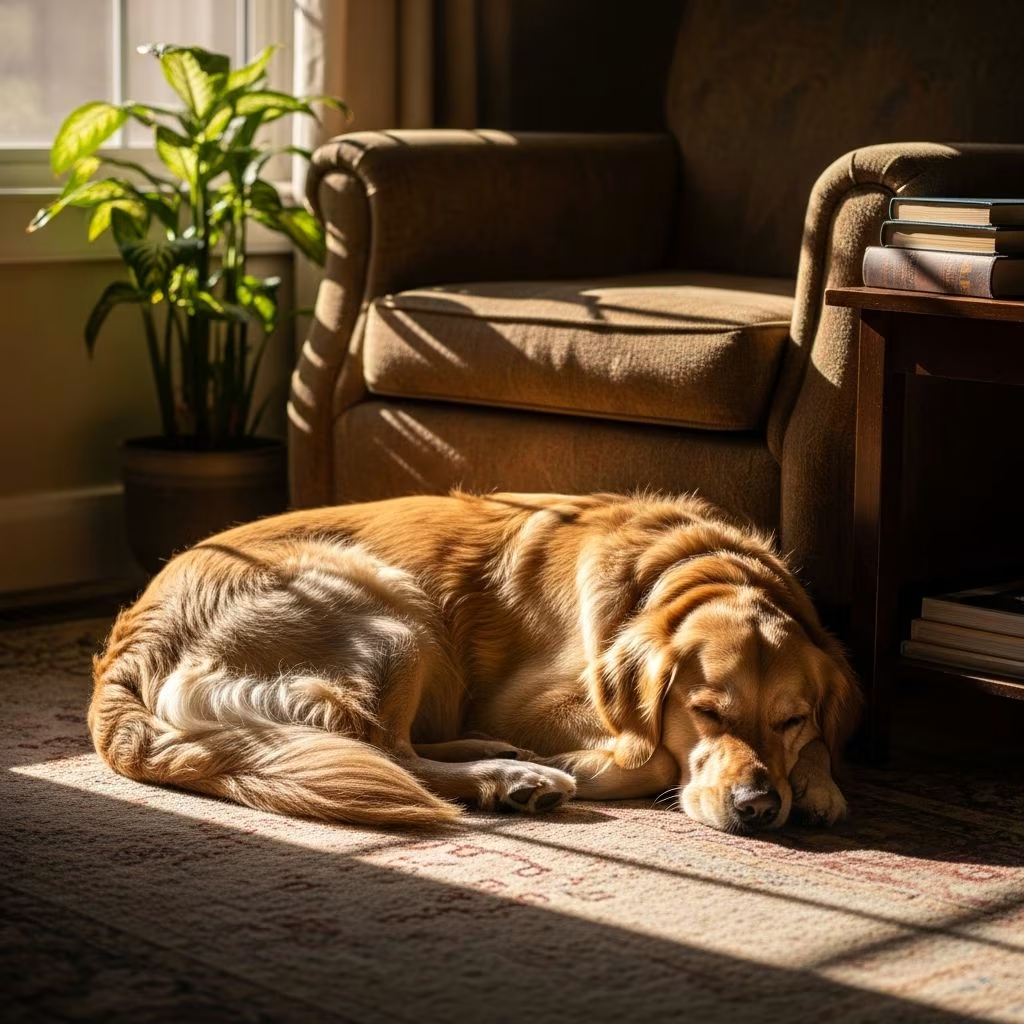
Dogs dedicate a significant portion of their day to sleep, often totaling 12 to 18 hours in a 24-hour period, varying by age, breed, and lifestyle. This extensive rest is essential for their physical recovery, mental processing, and overall well-being, mirroring patterns observed in wild ancestors who conserved energy between hunts.
The Natural Sleep Rhythms of Canines
Canines exhibit polyphasic sleep, meaning they take multiple short naps rather than one long block, aligning with their diurnal nature—active during daylight and resting in darkness. Research using activity monitors on 42 healthy adult dogs aged 2-8 years revealed two daily activity peaks: a brief morning burst from 8-10 a.m. and a longer evening period from 5-11 p.m., with reduced movement midday and overnight. Owners reported similar trends, noting higher weekend activity due to increased human interaction.
This bimodal pattern supports energy conservation. Lighter dogs show post-midnight activity spikes, females are more energetic in evenings, and older dogs display diminished peak activity, highlighting physiologic influences on rest cycles.
Sleep Needs Across Life Stages
Sleep requirements evolve dramatically from puppyhood to seniority. Here’s a breakdown:
- Puppies (up to 6 months): 18-20 hours daily, with frequent daytime naps to fuel rapid growth and brain development.
- Adults (1-7 years): 12-14 hours, including 6-8 hours overnight and 4-6 hours in naps.
- Seniors (8+ years): Up to 16-18 hours, as metabolism slows and recovery needs rise.
Puppies under 16 weeks sleep longer daytime but shorter nights compared to 12-month-olds, often dreaming vividly as evidenced by twitching and ‘chasing’ motions. Large breeds like Mastiffs may nap more due to size-related energy demands, while high-energy breeds like Border Collies rest less if exercised adequately.
Stages of Dog Sleep and Their Benefits
Dogs cycle through non-REM (deep sleep for physical repair) and REM (rapid eye movement for mental processing), much like humans. EEG studies on sleeping dogs post-training showed sleep spindles—9-16 Hz bursts lasting 0.5-5 seconds—correlating with memory retention of new commands.
Females exhibited more spindles and better learning (30% success vs. 10% in males), suggesting sleep consolidates daytime experiences. Slow-wave activity aids tissue repair, while REM supports emotional regulation and problem-solving, explaining why post-learning naps enhance command retention over play or walks.
| Sleep Stage | Duration in Cycle | Key Functions | Observable Signs |
|---|---|---|---|
| Non-REM (Light to Deep) | 70-80% of sleep | Physical restoration, immune boost | Slow breathing, relaxed muscles |
| REM | 20-30% of sleep | Memory consolidation, learning | Eye twitches, paw paddling, whimpers |
Factors Influencing How Much Dogs Sleep
Several variables shape sleep duration and quality:
- Breed and Size: Brachycephalic breeds (e.g., Bulldogs) sleep more due to breathing issues; giants like Great Danes rest 14+ hours.
- Activity Level: Working dogs or those with ample exercise sleep less deeply; bored pets nap excessively.
- Environment: Comfortable, quiet spaces promote better rest; 59% of owners isolate pups at night, but proximity to family aids security.
- Nutrition and Health: Balanced diets support restorative sleep; deficiencies or pain disrupt it.
Weekends see heightened activity in home-bound dogs, syncing with owner schedules.
When Excessive Sleep Signals Trouble
While generous sleep is normal, abrupt increases warrant attention. PetMD outlines red flags:
- Sudden surge beyond baseline (e.g., adult from 12 to 18+ hours)
- Accompanied by lethargy, appetite loss, or isolation
- Restlessness or inability to settle
Causes include:
| Potential Issue | Symptoms | Action Steps |
|---|---|---|
| Boredom | Excess naps, destructive tendencies | Increase mental stimulation, toys, walks |
| Illness/Pain | Lethargy, whining, appetite drop | Vet exam, monitor for chronic conditions |
| Depression | Withdrawal, disinterest in play | Behavioral consult, routine stabilization |
| Cognitive Dysfunction | Disrupted cycles, confusion | Baseline tracking via wearables |
Actigraphy studies establish norms for detecting deviations linked to pain or aging-related decline.
Enhancing Your Dog’s Sleep Quality
Promote optimal rest with these strategies:
- Consistent schedule: Evening wind-down mimics natural dusk activity drop.
- Exercise timing: Morning and late afternoon bursts align with peaks.
- Cozy setup: Orthopedic beds for joints, dim lighting.
- Mental engagement: Training sessions followed by naps boost consolidation.
- Health checks: Annual vet visits track patterns via collars or apps.
Avoid disruptions like late feeding; ensure hydration without excess nighttime potty breaks.
Common Myths About Dog Sleep
- Myth: All dogs sleep 12 hours. Reality: Varies widely by age/breed.
- Myth: Twitching means nightmares. Reality: Often REM play-rehearsal.
- Myth: Dogs sleep like humans. Reality: More naps, less deep overnight.
Frequently Asked Questions
How many hours should my adult dog sleep?
Typically 12-14 hours, with 6-8 at night and naps daytime.
Why does my puppy sleep all day?
Growth demands 18-20 hours; they recharge for bursts of play.
Is my senior dog sleeping too much?
Up to 18 hours normal, but check for other symptoms like confusion.
Do dogs dream?
Yes, REM shows vivid activity; larger breeds dream more frequently.
Can sleep track my dog’s health?
Yes, wearables detect disruptions indicating pain or illness.
Monitoring Sleep for Better Health
Modern tools like collar actigraphs provide data for early intervention. NC State’s baseline study enables vets to spot anomalies, improving outcomes for pain or cognitive issues. Dogs Trust’s large-scale survey confirms environmental comfort influences patterns.
By understanding these rhythms, owners foster happier, healthier companions. Regular observation pairs with science to ensure rest translates to vitality.
References
- Study Sets Baseline for Sleep Patterns in Healthy Adult Dogs — North Carolina State University. 2020-12-17. https://news.ncsu.edu/2020/12/study-adult-dogs-sleep/
- Brain scans show dogs learn when sleeping—just like people — Science.org. N/A. https://www.science.org/content/article/brain-scans-show-dogs-learn-when-sleeping-just-people
- Dogs Trust research shows our pets love their ZZZs! — Dogs Trust. N/A. https://www.dogstrust.org.uk/about-us/media-centre/world-sleep-day
- The Importance of Sleep — My Pet Nutritionist. N/A. https://mypetnutritionist.com/post/the-importance-of-sleep/
- Why Do Dogs Sleep So Much? — PetMD. N/A. https://www.petmd.com/dog/general-health/how-many-hours-does-dog-sleep-day
- WHAT YOUR DOG’S SLEEP PATTERN SAYS ABOUT ITS HEALTH — PetPace. N/A. https://petpace.com/what-your-dogs-sleep-pattern-says-about-its-health/



