

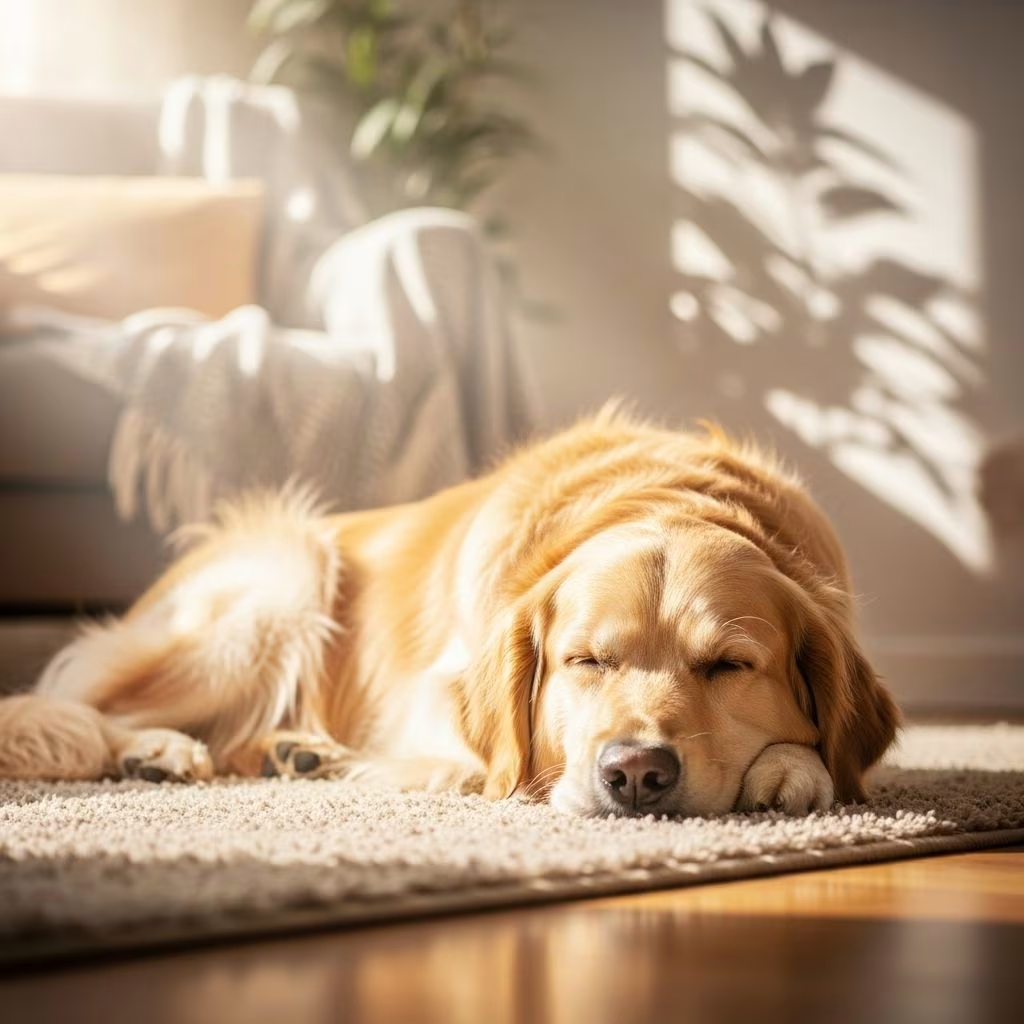
Dogs typically sleep between 12 and 14 hours per day, with variations based on age, breed, size, and lifestyle. This extensive rest is essential for their physical recovery, mental processing, and overall well-being, mirroring patterns seen in scientific studies of canine sleep-wake cycles.
The Science of Canine Sleep Patterns
Research from North Carolina State University tracked 42 healthy adult dogs using collar-mounted activity monitors over two weeks, revealing a bimodal activity pattern: a morning peak from 8-10 a.m. and a longer evening peak from 5-11 p.m., with increased activity on weekends when owners are home. This indicates dogs align their rest with human schedules, sleeping more during weekdays when alone.
Functional linear modeling in the study showed influences from sex, weight, and age. Lighter dogs exhibit post-midnight activity bursts, females are more active in evenings, and older dogs show reduced peak activity. A PMC study on 16 family dogs confirmed dogs sleep more at night, spending greater time in non-rapid eye movement (NREM) and rapid eye movement (REM) stages after active days or at home.
These findings establish baselines for normal sleep, aiding detection of issues like chronic pain or cognitive dysfunction, where deviations from these patterns signal problems.
How Age Shapes a Dog’s Sleep Needs
Sleep requirements evolve across a dog’s life stages, driven by growth, energy demands, and aging processes.
- Puppies (0-3 months): Sleep 18-20 hours daily in short bursts to support rapid brain and body development. Frequent naps follow play sessions, akin to human infants.
- Young Dogs (3 months-2 years): Average 14-16 hours, balancing exploration and training with rest. A Duke University study on puppies up to 18 weeks found consistent awake-bout lengths regardless of activity or temperament, but sex differences in duration.
- Adults (2-7 years): Settle at 12-14 hours, with polyphasic patterns—multiple naps plus consolidated night sleep.
- Seniors (8+ years): Often 14-18 hours due to lower metabolism and joint issues, though quality may decline with arousals.
This table summarizes average daily sleep by age:
| Life Stage | Average Sleep (Hours) | Key Characteristics |
|---|---|---|
| Puppies | 18-20 | Frequent, short naps; growth-focused |
| Young Adults | 14-16 | Active days with naps |
| Prime Adults | 12-14 | Bimodal activity peaks |
| Seniors | 14-18 | More fragmented rest |
Breed, Size, and Lifestyle Influences
Small breeds like Chihuahuas sleep up to 20 hours, while large ones like Labradors manage 12-13, due to metabolic differences. Working breeds (e.g., Border Collies) sleep less on duty days but catch up at night.
Activity profoundly affects rest: dogs post-active days enter deeper NREM and REM faster, with higher REM proportions. Indoor lifestyles promote more sleep than outdoor working roles. Environment matters too—dogs sleep better at home, with reduced REM away.
Understanding Dog Sleep Stages
Canine sleep includes wakefulness, drowsiness, NREM (light and deep), and REM, similar to humans. Nighttime favors deeper stages; active days boost REM for memory consolidation.
A Science.org study used EEGs on napping dogs, identifying sleep spindles (9-16 Hz bursts) linked to learning new words, paralleling human memory processes. Slow-wave activity aids physical repair, while REM processes emotions and skills.
- Drowsiness: Transitional, reduced after activity.
- NREM: Dominant at night, restorative.
- REM: Vivid dreams cause twitching; more after stimulation.
Why Excessive Sleep Might Signal Issues
While 12+ hours is normal, sudden increases or lethargy warrant checks. Causes include:
- Hypothyroidism slowing metabolism.
- Arthritis limiting movement.
- Obesity reducing activity.
- Depression or anxiety altering cycles.
- Infections or heart disease causing fatigue.
Monitor for snoring, gasping (sleep apnea), or frequent wakings. Deviations from baselines like reduced evening peaks may indicate pain.
Optimizing Your Dog’s Sleep Environment
Create a sleep-friendly space:
- Quiet, dark crate or bed in a consistent spot.
- Comfortable temperature (68-72°F).
- Evening wind-down routine: short walk, no play pre-bed.
- Limit daytime naps if insomnia-like nights occur.
Encourage exercise: 30-60 minutes daily matches activity peaks, promoting deeper night sleep.
Comparing Dog and Human Sleep
Dogs’ polyphasic sleep contrasts human monophasic but shares circadian alignment and REM needs. Both benefit from exercise for quality rest; dogs model human sleep disorders.
FAQs
Is it normal for my adult dog to sleep 14 hours?
Yes, especially larger breeds or low-activity dogs. Track patterns against baselines.
Why does my puppy sleep all day?
Puppies need 18-20 hours for development; ensure balanced feeding and play.
Should I wake my sleeping dog?
Avoid unless meal time or vet-advised; respect natural cycles.
How much sleep for senior dogs?
14-18 hours, but watch for excessive daytime sleep signaling health issues.
Do active dogs sleep less?
They sleep similar totals but deeper, with more REM.
References
- Study Sets Baseline for Sleep Patterns in Healthy Adult Dogs — North Carolina State University News. 2020-12-17. https://news.ncsu.edu/2020/12/study-adult-dogs-sleep/
- Differences in pre-sleep activity and sleep location are associated… — PMC (PubMed Central). 2018-05-02. https://pmc.ncbi.nlm.nih.gov/articles/PMC5940857/
- Brain scans show dogs learn when sleeping—just like people — Science.org. N/A. https://www.science.org/content/article/brain-scans-show-dogs-learn-when-sleeping-just-people
- Characterizing sleep-wake cycles in dogs (Canis lupus familiaris… — DukeSpace Library. N/A. https://dukespace.lib.duke.edu/items/c02cec92-631b-45dc-aba9-7c7c4f2cf3b6
- Why Do Dogs Sleep So Much? — PetMD. N/A. https://www.petmd.com/dog/general-health/how-many-hours-does-dog-sleep-day



