

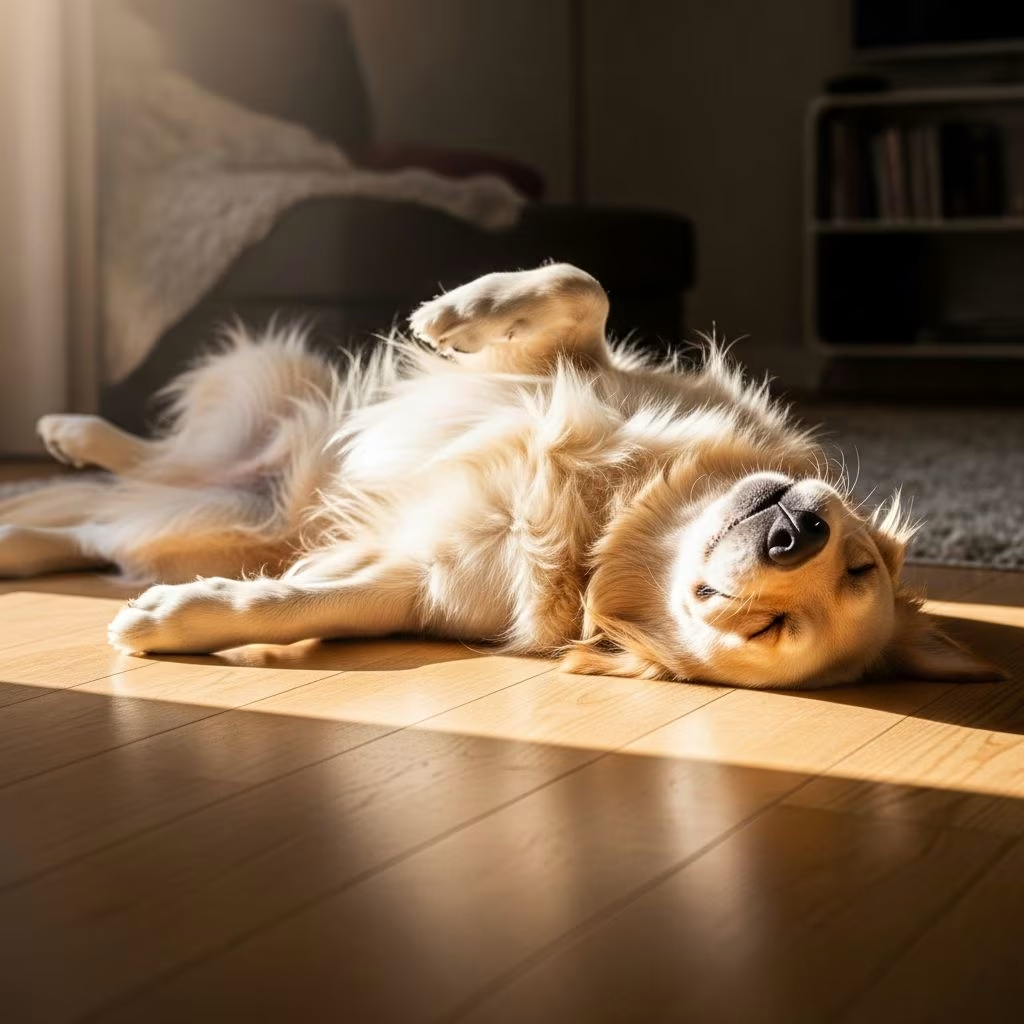
Why Dogs Sleep on Their Backs: Understanding Your Pup’s Favorite Position
If you’ve ever walked into a room to find your dog sprawled out on their back with all four paws in the air, you might have wondered what was going through their mind. While it may look uncomfortable or even silly to us, this belly-up sleeping position is actually quite common among dogs and serves several important purposes. Understanding why your dog adopts this position can provide valuable insights into their physical comfort, emotional state, and overall wellbeing.
Temperature Regulation and Staying Cool
One of the primary reasons dogs sleep on their backs is to regulate their body temperature. Dogs cool themselves differently than humans — while we rely on sweating across our entire body, dogs have a more limited cooling system. Dogs only have sweat glands located on the pads of their feet, which means they need alternative methods to dissipate heat during warm weather or after physical activity.
When a dog lies on their back, they expose areas of their body with thinner fur coverage, particularly their belly and the paw pads. The fur on a dog’s stomach is significantly thinner than the fur covering the rest of their body, allowing heat to escape more efficiently. By spreading out their legs and exposing their underside, dogs increase air circulation around these less-insulated areas, making back sleeping an effective cooling strategy.
Dogs who are particularly vulnerable to overheating benefit most from this position. This includes puppies, senior dogs, overweight dogs, and those with cardiac or respiratory conditions. During hot or humid weather, you may notice your dog spending more time on their back as their body naturally seeks the most effective cooling method available.
Comfort and Muscle Relaxation
Beyond thermoregulation, sleeping on their back allows dogs to achieve maximum muscle relaxation. Back sleeping enables dogs to completely relax all of their muscles, indicating that they are in a state of deep, restorative sleep. In this position, the spine naturally extends, and pressure is distributed evenly across the body, which can alleviate discomfort from pressure points.
Orthopedic considerations make this position particularly beneficial for certain dogs. Senior dogs suffering from arthritis or those recovering from injury or surgery find that back sleeping avoids adding pressure to sore muscles and joints. The extended position allows their body to rest without strain on areas that may already be painful or inflamed.
Additionally, some dogs simply find this position the most comfortable for their individual physiology. Just as humans have preferred sleeping positions, dogs also develop favorite ways to rest based on their body type and personal preferences. A soft bed or sofa that conforms to their body shape makes this position even more appealing, as the plush surface cushions their joints and muscles while allowing them to fully relax.
Trust, Safety, and Emotional Security
When a dog sleeps on their back, it primarily signals that they feel safe, secure, and completely comfortable in their environment. This sleeping position requires vulnerability—the dog’s vital organs are exposed and unprotected, making it difficult to jump up quickly if needed. Only when a dog feels genuinely safe will they adopt such an exposed posture.
The willingness to sleep belly-up demonstrates extraordinary trust in their surroundings and the people or animals sharing their space. Dogs sleeping on their backs with exposed bellies indicate they feel relaxed and mentally comfortable in your household. They are essentially saying, “I trust you to protect me while I’m in this vulnerable state.”
When dogs sleep with their backs to their owners, it represents pack behavior and bonding. In wild packs, dogs sleep back-to-back to protect each other from threats. When your dog positions their back against you, they are showing that they feel safe enough to not constantly monitor you—they trust you completely to watch for danger. This behavior strengthens the bond between you and your pet, as it demonstrates their confidence in your relationship.
Submission and Body Language
Sleeping on their back also represents a submissive posture in dog body language. When dogs expose their bellies, they communicate that they are not a threat. In wild encounters with other dogs, rolling over belly-up translates to, “I’m not a threat—please walk away and don’t bother me.” This submissive signal can prevent conflicts and establish peaceful coexistence.
The evolutionary basis for this behavior is significant. In the wild, dogs sleeping outdoors in a curled-up position felt compelled to protect themselves from predators and did not sleep on their backs. Guardian and herding breeds, whose ancestral roles involved watching flocks, manage to doze with one eye open rather than fully relaxing in vulnerable positions. This demonstrates how sleeping positions reflect evolutionary adaptations and breed-specific behaviors.
Health Considerations and Breathing
Pet owners sometimes worry whether sleeping on their back affects a dog’s ability to breathe. Most dogs have no issue breathing in various sleeping positions, including on their backs, and can enter deep, restful sleep in this position. For healthy dogs, back sleeping presents no respiratory concerns.
However, certain health conditions may make this position less ideal. Dogs with obesity, underlying respiratory problems, or brachycephalic obstructive airway syndrome may experience breathing difficulties in this position. If your dog has any of these health concerns, consult with your veterinarian about whether you should encourage alternative sleeping positions or address the underlying condition.
Breed and Individual Variations
Not all dogs sleep on their backs equally. Breed history and function play a significant role in sleeping position preferences. Working breeds with protective instincts may rarely or never sleep on their backs, as their ancestral roles required constant vigilance. Companion breeds and dogs from families that emphasize safety and comfort are more likely to adopt back-sleeping positions regularly.
Individual personality also matters. Some dogs naturally feel more secure than others and will sleep on their backs frequently, while more anxious or cautious dogs may rarely adopt this position. Environmental factors, including temperature, the quality of their sleeping surface, and the presence of trusted family members, all influence whether your dog chooses to sleep belly-up.
Common Dog Sleeping Positions and Their Meanings
While back sleeping is noteworthy, understanding other sleeping positions provides a complete picture of your dog’s emotional and physical state:
- Superman Position: Your dog stretches out on their stomach, appearing relaxed yet alert. They’re ready to jump up quickly if needed, indicating partial comfort but maintained awareness.
- Curled Ball: Many puppies and outdoor dogs sleep with paws tucked into their body and tail wrapped around them. This position conserves heat and protects from predators, though it’s less restful than back sleeping.
- Side Sleeping: Similar to back sleeping, side sleeping indicates deep sleep and comfort in their environment. The dog is relaxed and trusts their surroundings.
- Back to Back with Humans: This position indicates intimacy, affection, and bonding. Your dog is strengthening their connection with you through physical proximity.
When to Be Concerned About Your Dog’s Sleep Position
For most healthy dogs, sleeping on their backs is completely harmless and typically indicates contentment and wellbeing. The only practical concern is the risk of slipping and falling off a bed, since dogs become so relaxed in this position that they may lose their grip on elevated surfaces.
However, if your dog suddenly changes their sleeping habits or stops sleeping on their back despite previously doing so, this could indicate discomfort, anxiety, or health issues. Similarly, if your dog never sleeps on their back and seems anxious in general, they may benefit from additional security measures like a safe sleeping space or behavioral support.
Creating the Ideal Sleep Environment
To encourage healthy sleep and support your dog’s preferred sleeping positions, provide appropriate bedding. Orthopedic dog beds can help ease pain for senior dogs or those with joint issues. Soft, plush surfaces allow dogs to sink in comfortably, supporting their spine naturally when they stretch out on their backs.
Temperature control is also important. In warmer months, ensure your dog has access to cool surfaces and adequate ventilation. During colder months, provide blankets or heated beds for dogs that prefer curled positions. A safe, quiet sleeping area away from household activity allows your dog to rest deeply without concern for threats.
Frequently Asked Questions
Q: Is it bad for my dog to sleep on their back?
A: No, sleeping on their back is not bad for most dogs. It’s actually a sign they feel safe and comfortable. The only risk is falling off elevated surfaces due to deep relaxation.
Q: What does it mean when my dog sleeps on their back with legs spread?
A: This position typically means your dog is cooling off, feeling completely relaxed, and trusting their environment. The spread legs maximize air circulation around their thinner-furred belly.
Q: Can dogs breathe properly while sleeping on their backs?
A: Yes, healthy dogs can breathe normally while sleeping on their backs. However, dogs with respiratory conditions, obesity, or brachycephalic features may experience difficulties.
Q: Should I be worried if my dog never sleeps on their back?
A: Not necessarily. Some dogs, particularly certain breeds or anxious dogs, may prefer other sleeping positions. However, if your dog seems anxious overall, consult your veterinarian.
Q: Does sleeping on their back mean my dog trusts me?
A: Yes, sleeping on their back in your presence indicates that your dog trusts you and feels safe in your home. It’s a positive sign of bonding and affection.
Q: Why do some dogs sleep curled up instead of on their backs?
A: Curled sleeping positions indicate the dog may feel less secure, be conserving heat, or have anxiety. Outdoor and working dogs naturally prefer this protective position.
Conclusion: Appreciating Your Dog’s Sleep Habits
When you see your dog sprawled out on their back with paws in the air, you’re witnessing a beautiful display of contentment, trust, and comfort. This sleeping position serves multiple important functions—from practical thermoregulation to profound emotional significance. By understanding why your dog adopts this position, you gain deeper insight into their physical wellbeing, emotional security, and trust in you. Whether your dog frequently sleeps on their back or prefers other positions, each dog’s sleep habits are unique and reflect their individual personality, health status, and life experiences. Creating a safe, comfortable sleeping environment where your dog can rest undisturbed supports their physical health and emotional wellbeing for years to come.
References
- Why Does My Dog Sleep On Their Back? — American Kennel Club. Accessed January 2026. https://www.akc.org/expert-advice/health/why-does-my-dog-sleep-on-his-back/
- Why Do Dogs Sleep On Their Backs? Dog Behaviour Explained — Bronte Glen. Accessed January 2026. https://www.bronteglen.co.uk/blog/why-do-dogs-sleep-on-their-backs/
- Why Does My Dog Sleep On Their Back? — Petbarn. Accessed January 2026. https://www.petbarn.com.au/petspot/dog/why-does-my-dog-sleep-on-its-back-with-its-feet-in-the-air/
- There Are Several Reasons Why A Dog Would Sleep With Its Back To You — Canine Etiquette. Accessed January 2026. https://canineetiquette.com/articles/there-are-several-reasons-why-a-dog-would-sleep-with-its-back-to-you/
- 10 Dog Sleeping Positions + Their Adorable Meanings — Casper Blog. Accessed January 2026. https://casper.com/blogs/article/dog-sleeping-positions



