

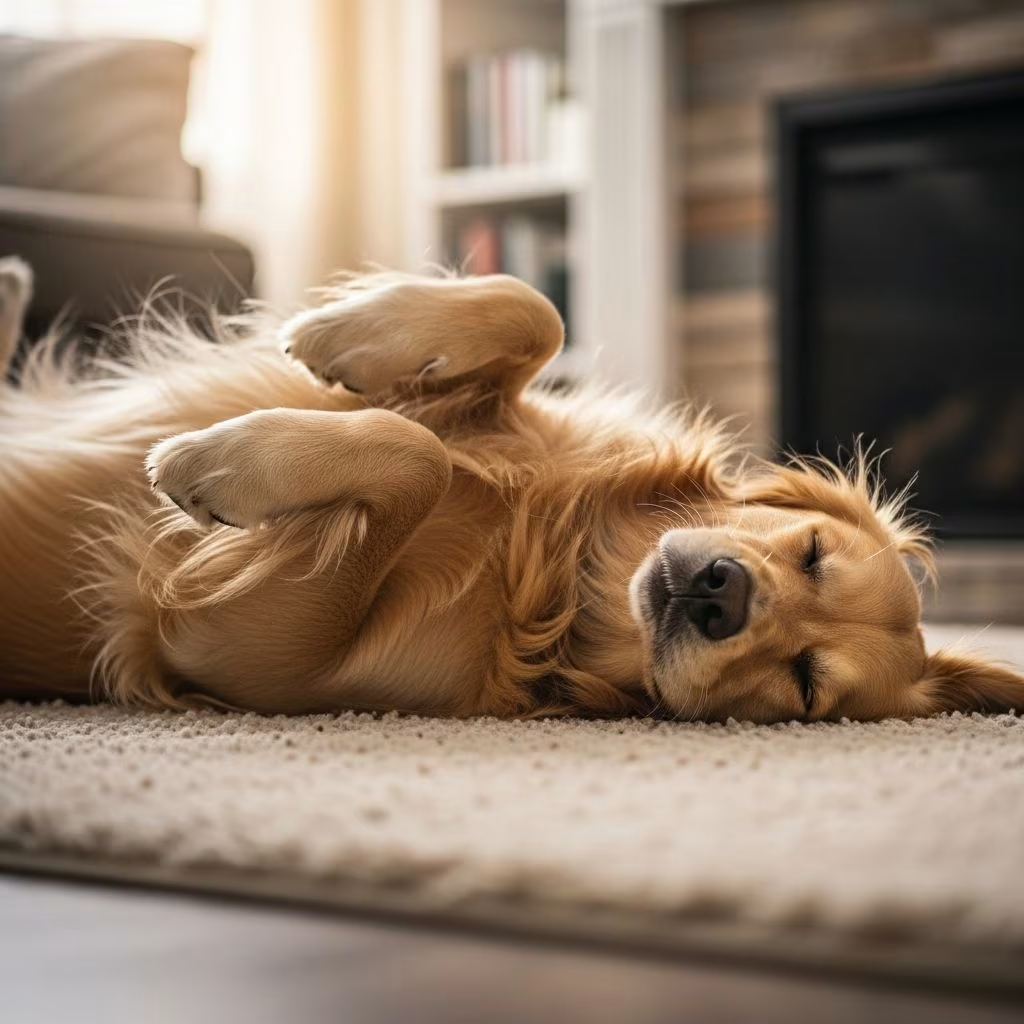
Observing your dog sprawled out on their back with paws in the air is one of the most endearing sights for any pet owner. This vulnerable position, often accompanied by gentle snoring or twitching, sparks curiosity about what it signifies. Is it pure relaxation, a cooling strategy, or something deeper? Understanding **why dogs sleep on their back** provides valuable insights into their physical comfort, emotional state, and overall health. Sleep is crucial for dogs, supporting cognitive function, behaviour regulation, and physical recovery, much like in humans. Research indicates that canine sleep patterns influence everything from impulse control to aggression levels, making these positions more than just quirky habits.
In this article, we’ll dive into the science and instincts behind back-sleeping, explore other common **dog sleeping positions**, discuss when it might signal health issues, and answer frequently asked questions. Whether your pup is a frequent belly-upper or occasionally flips over, these behaviours reveal how secure and content they feel in your home.
Dog Sleeping Positions
Dogs adopt various sleeping postures that reflect their mood, temperature needs, and physical condition. Recognising these can help you gauge if your dog is relaxed, alert, or uncomfortable. Here are the primary **dog sleeping positions** and what they mean:
- Side Sleeping: Legs extended or tucked, this indicates a calm, trusting dog who feels safe enough to fully relax. It’s common in secure environments.
- Donut or Curled Ball: The dog tucks nose to tail, conserving heat. Ideal for cold weather or anxious pups seeking security.
- Sphinx or Lion Pose: Chest down, rear up, head alert. This allows quick arousal, showing wariness or readiness to spring into action.
- Superman: Front legs extended forward, back legs back—like flying. Energetic dogs use this to cool off quickly after play.
- Cuddlebug: Snuggled against you or others. A sign of affection and pack bonding, treating humans as family.
- On Their Back: Belly exposed, paws up. The focus of our discussion—often denoting ultimate trust and comfort.
These positions aren’t random; they evolved from wild ancestors who slept in packs for protection. Modern dogs retain these instincts, adapting them to home life.
What Does It Mean When Dogs Sleep on Their Back?
When your dog flips onto their back, exposing their belly—the most vulnerable area—they’re communicating volumes without a word. This position combines instinct, physiology, and emotion. Let’s break down the key reasons **dogs sleep on their back**.
Temperature Regulation
Dogs lack sweat glands over most of their body, relying on panting and paw pad sweating for cooling. The belly has the thinnest fur, making it an ideal spot for heat dissipation. On hot days or in warm rooms, dogs splay out belly-up to let cool air circulate. Paws elevated also aid evaporation from pads. Short-haired breeds like Labradors or Greyhounds favour this in summer, while you might notice it near sunny windows or after exercise.
Submission and Trust
In canine body language, rolling over exposes vital organs, signalling ‘I surrender’ or ‘I’m no threat.’ With trusted owners, this evolves into a comfort display. A dog sleeping on their back in your presence honours you—they feel utterly safe, vulnerable yet protected. This is especially true for rescued or submissive dogs who’ve learned humans are allies, not threats. Wild pack theory supports this: backs together protected flanks, mirroring modern back-sleeping near owners.
Pressure Relief for Joints and Muscles
Back-sleeping distributes weight evenly, easing strain on hips, spine, and joints. Older dogs with arthritis or active pups with sore muscles prefer it for relief. By arching slightly or stretching limbs, they alleviate pressure points. Veterinary experts note this position helps with hip dysplasia or post-exercise recovery, promoting better circulation. If your senior dog adopts this more frequently, it could indicate age-related stiffness.
They Are Comfortable and Content
Ultimately, back-sleeping screams relaxation. Dogs won’t expose their bellies unless they trust their surroundings completely. It’s a badge of a happy home environment you’ve fostered. Twitching legs or soft sighs during this pose often indicate dreaming in REM sleep, another sign of deep rest. Younger dogs do this more, shifting to supportive positions as they age.
Dog Sleeping Positions When Sick
Not all sleep changes are benign. While back-sleeping usually signals wellbeing, illness alters habits. Sick dogs often curl tightly in a ball, conserving energy and warmth, or sleep fitfully with frequent awakenings. Signs include:
- Restlessness or pacing at night.
- Lethargy beyond normal naps.
- Unusual positions, like head on paws vigilantly.
- Increased vocalisation or whining during sleep.
If your dog abandons back-sleeping for huddled postures, or shows vomiting, diarrhoea, or appetite loss, consult a vet. Pain from conditions like bloat or infections disrupts rest. Co-sleeping studies note pets can affect human sleep but highlight monitoring for mutual health. Track patterns: healthy dogs cycle positions; sick ones stick to tense ones.
How to Tell if Your Dog Is in Pain
Sleep positions offer clues, but subtle pain signs include:
| Sign | Description | What to Do |
|---|---|---|
| Guarding Posture | Avoiding back-sleeping, favouring one side. | Check for limping or swelling; vet visit. |
| Whining/Twitching | Restless sleep with cries. | Examine for injuries; pain meds if prescribed. |
| Reluctance to Move | Stiff rising from sleep. | Joint supplements like glucosamine. |
| Appetite/Sleep Changes | Less sleep or disinterest in food. | Full check-up for underlying issues. |
Early detection prevents escalation. Tools like vet-approved joint beds enhance comfort.
Frequently Asked Questions (FAQs)
Is it bad if my dog sleeps on their back?
No, it’s typically a positive sign of trust and comfort. However, if new or accompanied by limping, monitor for joint issues.
Why does my dog sleep on their back with paws up?
Paws up aids cooling via paw pads and allows full-body stretch for relaxation. It’s common in playful, energetic dogs.
Do all dogs sleep on their backs?
No, breed, age, and personality influence preferences. brachycephalic breeds (e.g., Pugs) may avoid it due to breathing.
What if my dog suddenly stopped sleeping on their back?
Possible pain, cold, or anxiety. Check temperature, health, and environment. Persistent changes warrant a vet.
Can sleeping positions indicate dreaming?
Yes, back-sleepers often enter REM with leg kicks, mimicking chases—healthy brain activity.
Should I worry if my puppy sleeps on their back?
Not at all; puppies do this most, building trust early.
Understanding **dog sleeping positions** deepens your bond. Next time your furry friend goes belly-up, smile knowing they’ve chosen safety with you.
References
- Co-sleeping with pets, stress, and sleep in a nationally representative U.S. sample — NIH/PMC. 2024-03-05. https://pmc.ncbi.nlm.nih.gov/articles/PMC10918166/
- Why Does My Dog Sleep on Their Back? — Kinship. 2025. https://www.kinship.com/dog-behavior/why-does-my-dog-sleep-on-his-back
- What Does Your Dog’s Sleeping Position Mean? — Kinship. 2025. https://www.kinship.com/dog-behavior/what-does-dogs-sleeping-position-mean
- There Are Several Reasons Why a Dog Would Sleep With Its Back to You — Canine Etiquette. 2024. https://canineetiquette.com/articles/there-are-several-reasons-why-a-dog-would-sleep-with-its-back-to-you/
- Why Do Some Dogs Sleep on Their Back? — J Town Vets. 2024. https://jtownvets.com/blogs/why-do-some-dogs-sleep-on-their-back



