Why Dogs Love Sitting on You
Discover the heartwarming reasons behind your dog's urge to perch on your lap, from affection to security needs.
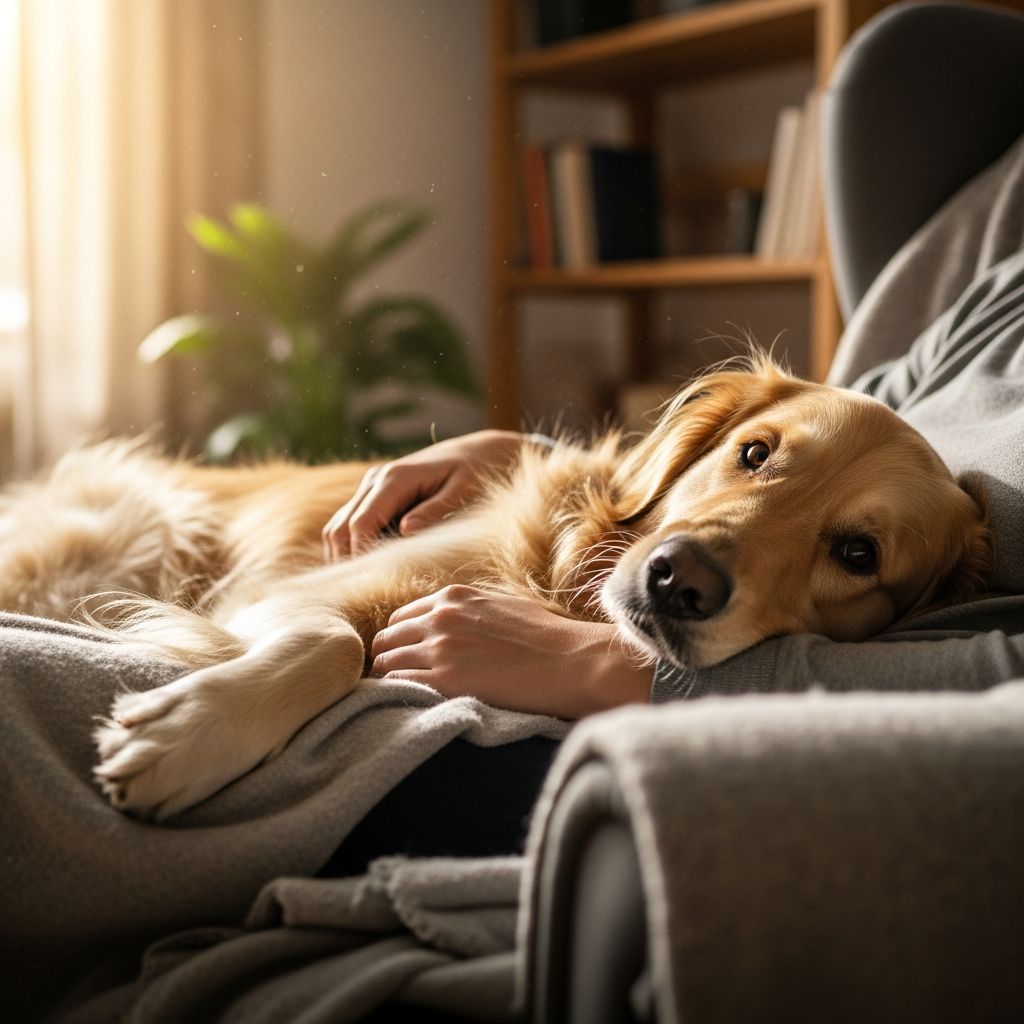
Your dog plops down right on your lap or feet without warning. This endearing habit puzzles many owners, but it reveals deep insights into your pet’s emotions, needs, and instincts. Far from random, this behavior stems from a mix of affection, security-seeking, physical comfort, and clever learning. Understanding it strengthens your bond and helps spot potential issues early.
The Emotional Core: Affection and Attachment
Dogs view their humans as family members, often seeking physical closeness to express love and reinforce bonds. When a dog chooses to sit on you during relaxed moments, like evenings on the couch, it signals profound trust. This mirrors how puppies huddle with littermates or mothers for warmth and safety.
Experts note that such contact releases oxytocin—the ‘love hormone’—in both dogs and owners, deepening emotional ties. It’s not dominance, as old myths suggested, but pure attachment. Veterinary behaviorists emphasize that dogs follow owners and sit close because they crave social connection, much like human hugs.
- Trust indicator: Your dog feels safe enough to expose its vulnerable underside.
- Bonding ritual: Repeated lap-sitting builds routine affection.
- Pack mentality: You’re the leader they want near.
Seeking Warmth and Physical Comfort
Dogs are drawn to body heat, especially smaller breeds or those with thin coats. Your lap or feet provide a cozy spot, particularly in cooler rooms. This instinct traces back to wild ancestors who piled together for survival.
Beyond temperature, the position offers stability. Sitting on you lets dogs relax fully, distributing weight comfortably while staying close. Puppies often start this early, carrying it into adulthood if rewarded with pets or play.
| Factor | Why It Appeals to Dogs | Common Scenarios |
|---|---|---|
| Warmth | Human body heat mimics den coziness | Cold evenings, air-conditioned homes |
| Stability | Firm surface prevents slipping | Slippery floors, soft cushions |
| Proximity | Maximizes skin contact | Family gatherings, quiet reading time |
Attention-Grabbing Tactics
Smart dogs quickly learn that sitting on you guarantees focus. A sudden lap invasion often prompts laughter, scratches, or treats—positive reinforcement in action. This isn’t manipulation; it’s adaptive intelligence honed over generations.
Observe context: Does it happen when you’re on your phone or chatting? That’s a nudge for interaction. Consistent responses train dogs to repeat it, turning a one-off into a habit. Training tip: Redirect with a command like ‘place’ to a nearby bed, rewarding calm independence.
Anxiety and Reassurance Needs
Not all lap-sitting is joyful. Stressed dogs may sit on you to self-soothe during thunderstorms, visitors, or changes like moves. Your steady presence calms their nerves, lowering cortisol levels through touch.
Body language clues include tucked tails, flattened ears, or panting. Sudden increases in this behavior warrant checking for triggers. Unlike relaxed sits, anxious ones feel urgent, with dogs pressing hard or trembling.
- Fear response: Seeks safety anchor.
- Separation prep: Practices closeness before alone time.
- Overstimulation: Calms amid chaos.
When It’s a Sign of Ownership or Guarding
Subtly, dogs may sit on you to claim you as ‘theirs.’ Facing outward while perched signals mild protection—’This human is mine.’ It’s common in multi-pet homes or with guests, blending affection with territorial instinct.
This differs from aggression; relaxed posture and wagging tails show it’s friendly. Still, monitor if it escalates to growling, suggesting resource guarding needing professional training.
Learned Habits from Puppyhood
Many dogs sit on laps because it worked as pups. Held or tolerated on furniture, they internalize it as normal. Breeds like Cavaliers or Pomeranians, bred for companionship, excel at this.
As adults, especially post-growth spurts, it persists if not discouraged. Positive association—pets, views from high spots—cements the pattern. Break it gently with consistent boundaries to avoid furniture struggles.
Health-Related Reasons to Watch
Occasionally, lap preference hides discomfort. Older dogs or those with joint issues might avoid cold floors, choosing your warmth instead. Sudden shifts, like reluctance to lie down, could indicate arthritis, hip dysplasia, or pain.
Consult vets if paired with limping, whining, or stiffness. Breeds prone to dysplasia, like Labs or Shepherds, benefit from ramps or orthopedic beds alongside vet checks.
Red Flags:
- Limping after sitting sessions
- Whining during position changes
- Avoiding previous spots
- Weight loss or appetite dips
How to Interpret Body Language Holistically
Context is key. Relaxed ears, soft eyes, and loose tail mean joy; tense muscles or avoidance suggest unease. Track patterns: time of day, people present, recent events.
Tools like journals help owners log behaviors, spotting trends for better care. Apps or cameras reveal unsupervised habits, refining responses.
Training Tips for Balanced Behavior
Encourage healthy independence without rejecting affection. Use positive reinforcement:
- Teach ‘off’ or ‘bed’ with treats.
- Provide alternatives like heated mats.
- Reward calm sits nearby first.
- Exercise to burn energy, reducing neediness.
Patience prevents frustration; consistency builds trust. Professional trainers help if anxiety underlies it.
Breed Tendencies and Variations
Small breeds lap-sit more due to size; velcro dogs like Vizslas crave constant contact. Working breeds might guard-sit, herding types nudge for attention.
| Breed Group | Sitting Style | Primary Motivation |
|---|---|---|
| Toy | Lap-dominant | Affection/Warmth |
| Herding | Nudging sits | Attention/Control |
| Hunting | Foot-perching | Guarding |
| Large | Occasional leans | Comfort |
FAQs: Common Questions Answered
Is it bad if my dog always sits on me?
Not inherently, but excess might signal separation anxiety or lack of training. Balance with alone-time practice.
Why does my dog sit on me but not others?
You’re their primary attachment figure, offering unique security.
Should I stop lap-sitting entirely?
No—enjoy it mindfully. Set rules for times/places to maintain harmony.
What if my senior dog started this recently?
Check for pain; arthritis often prompts warmth-seeking. Vet visit recommended.
Can training eliminate it?
Yes, with consistency, but affection-driven sits may persist mildly.
Enhancing Your Bond Through Understanding
Embracing why dogs sit on you transforms quirky moments into meaningful connections. Respond with empathy: offer pets for love, space for independence, checks for health. This attentiveness ensures a happier, healthier companionship.
References
- Why Do Dogs Sit on Your Feet? — PetMD. 2023-05-15. https://www.petmd.com/dog/behavior/why-do-dogs-sit-your-feet
- Why Do Dogs Sit on You? — Whole Dog Journal. 2024-02-10. https://www.whole-dog-journal.com/behavior/why-do-dogs-sit-on-you/
- 8 Reasons Why Your Dog Sits on You — Woofz. 2023-11-20. https://www.woofz.com/blog/8-reasons-why-does-my-dog-sit-on-me/
- Dogs Sitting Like Humans: 7 Reasons Why They Do It — Rubyloo. 2024-01-08. https://rubyloo.co/blogs/news/dogs-sitting-like-humans
Similar Articles








Read full bio of medha deb