

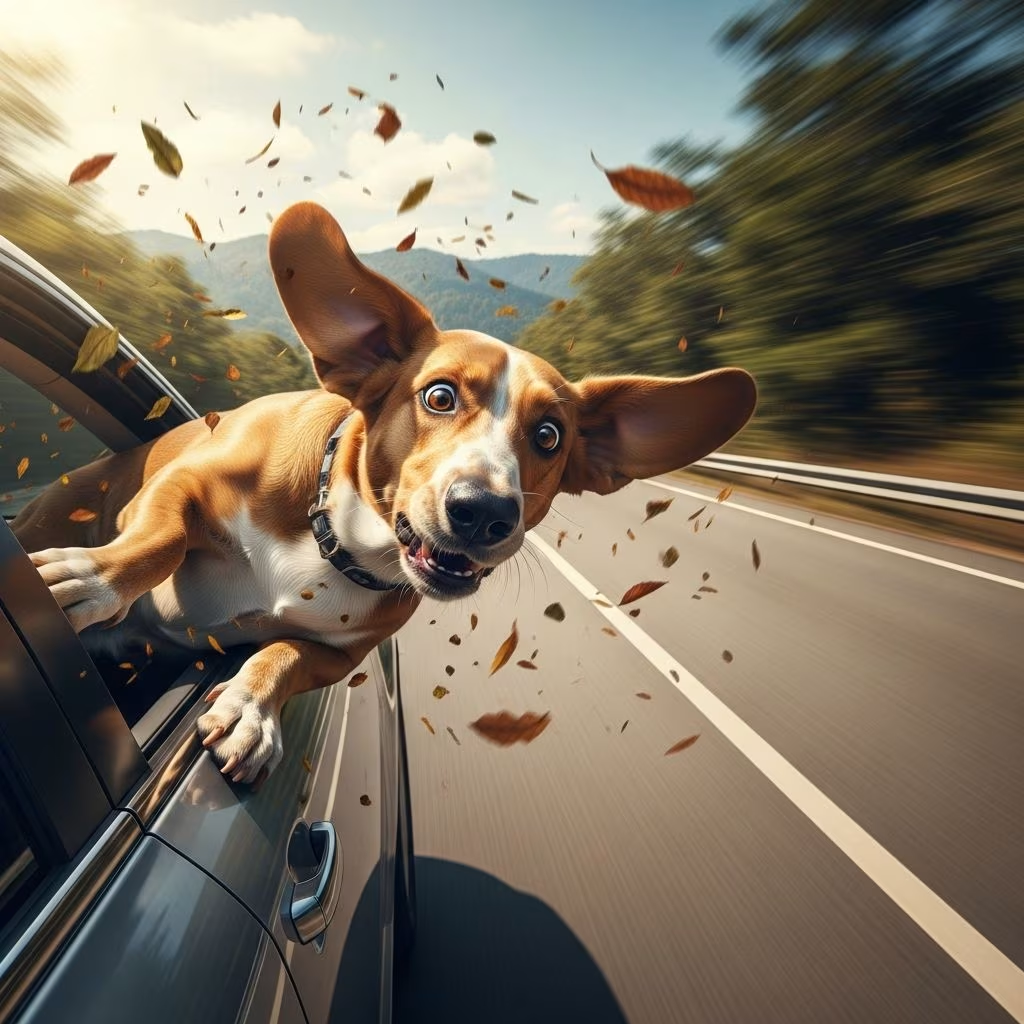
That joyful sight of a dog’s tongue flapping in the breeze as they poke their head out a car window captivates many pet owners. However, this seemingly harmless habit exposes dogs to significant hazards that can lead to injury or worse. Veterinary experts highlight risks including flying debris striking sensitive areas, sudden falls from the vehicle, and wind-induced trauma to ears and eyes.
The Allure Behind the Behavior
Dogs relish car rides for the sensory overload: scents whirl by at high speeds, offering a feast for their powerful noses, while rushing air stimulates their faces much like a thrilling game of fetch. This instinct stems from their ancestral drive to track prey and explore environments, turning a simple drive into an adventure. Yet, what delights them endangers their health, as unprotected exposure at 50-60 mph amplifies everyday road elements into threats.
Primary Hazards of Window Exposure
Multiple factors make this practice risky, from physical impacts to behavioral impulses. Here’s a breakdown of the core dangers supported by pet safety analyses.
- Debris and Projectile Injuries: High-velocity particles like pebbles, dust, insects, or gravel pelt the dog’s face, often lodging in eyes or causing corneal scratches. A small rock that merely chips a windshield can severely damage a dog’s delicate cornea.
- Windburn and Ear Trauma: Constant wind flaps ear flaps (pinnae) against the skull, pooling blood and causing hematomas—painful swellings that may require surgery. Eyes dry out and ulcerate from prolonged airflow.
- Falling or Jumping Out: Unrestrained dogs may lunge at passing stimuli or slip during turns, plummeting onto pavement at speed. Small breeds fit easily through partial openings, heightening the peril.
- Collision Vulnerabilities: In minor crashes or swerves, an exposed head risks crushing between vehicles or ejection, leading to fractures, brain trauma, or fatality.
Eye and Ear Vulnerabilities in Detail
Dogs’ eyes lack the protective brow ridge humans have, making corneas prone to abrasions from even minor debris. Infections follow if particles introduce bacteria, potentially blinding a pet without prompt care. Ears suffer repeated micro-traumas; flapping induces bruising, infections, or chronic issues like aural hematomas, where fluid-filled swellings distort shape and cause ongoing pain. These injuries often necessitate antibiotics, flushes, or surgical drainage, with recovery spanning weeks.
| Risk Factor | Potential Injury | Consequences |
|---|---|---|
| Flying Rocks/Pebbles | Corneal abrasion | Pain, infection, vision loss |
| High-Speed Wind | Ear hematoma | Swelling, surgery needed |
| Insects/Dirt | Conjunctivitis | Redness, discharge, ulcers |
| Sudden Braking | Ejection from window | Fractures, internal bleeding |
Accident Scenarios and Real-World Impacts
Beyond direct exposure, unrestrained dogs distract drivers by shifting positions or blocking views, contributing to crashes. Airbags, designed for humans, can fatally injure front-seat pets upon deployment. Rear-end collisions propel unsecured animals forward, slamming them into seats or dashboards. Emergency vets report frequent cases: dogs jumping from rear windows only to be backed over, or suffering traumatic brain injuries from falls.
Why Pickup Trucks Amplify Dangers
Bed-riding in trucks lacks any barrier, exposing dogs to unrestrained wind, debris torrents, and ejection risks. Hot metal surfaces burn paws in summer, while unsecured animals tumble out during stops or turns—far riskier than window exposure.
Safe Alternatives for Happy Road Trips
Secure your dog to eliminate these threats while preserving enjoyment. Key options include:
- Crash-Tested Harnesses: Clip to seat belts, preventing movement and ejection. Models like those from Sleepypod or Kurgo withstand rigorous tests.
- Reinforced Crates: Ventilated, airline-grade units anchor in cargo areas, shielding from impacts. Survivors of real crashes credit crates for protection.
- Pet Barriers: Mesh dividers keep dogs in back seats without confinement.
- Doggles for Essential Trips: Protective eyewear guards against debris, though not foolproof against falls.
Position pets in rear seats away from airbags. For anxious dogs, calming aids or pre-ride meds reduce restlessness.
Legal Considerations Across Regions
Many U.S. states mandate pet restraints akin to child seats, with fines for violations. Hawaii and Rhode Island enforce vehicle pet safety laws, while others like California cite distracted driving if pets roam. Internationally, EU nations require secured animals. Always verify local statutes to avoid penalties.
Training Tips for Stress-Free Car Rides
Build positive associations: short, rewarding trips with toys or treats. Use kapoosh toys for engagement without windows. For car-sick pups, position facing forward and avoid feeding pre-ride. Gradually introduce harnesses with praise.
FAQs on Dog Car Safety
Q: Can goggles fully protect my dog?
A: They shield eyes from debris but not falls, wind trauma, or crashes—restraints are essential.
Q: Is the back seat safer?
A: Yes, away from airbags; secure with harness or crate.
Q: What if my dog hates crates?
A: Acclimate slowly with high-value treats; barriers offer a middle ground.
Q: How fast is too fast for windows cracked?
A: Any speed risks debris; keep fully closed with AC/ventilation.
Q: Are harnesses as safe as crates?
A: Crash-rated ones perform well, but crates excel in severe impacts.
Long-Term Health Benefits of Safe Habits
Preventing acute injuries averts chronic conditions like recurrent ear infections or vision impairment, enhancing quality of life. Regular vet checkups post-travel spot early issues. Informed owners foster trusting bonds, as dogs sense protective care.
Embracing restraints transforms car rides from gambles into safe adventures, letting dogs savor scents through vents without peril.
References
- Why Do Dogs Stick Their Heads Out of Car Windows—And Is it Safe? — Mental Floss. 2023-05-15. https://www.mentalfloss.com/animals/dogs/why-dogs-stick-their-heads-out-car-windows
- Why It’s Dangerous for Your Dog to Ride with His Head Out of the Car Window — Impact Dog Crates. 2022-08-10. https://www.impactdogcrates.com/blogs/puppy-news/why-its-unsafe-for-your-dogs-to-stick-their-head-out-of-a-car-window
- Pet Car Travel: The Dangers of Letting Your Dog Put His Head Out the Window — Barf World. 2021-11-20. https://barfworld.com/blogs/news/pet-car-travel-the-dangers-of-letting-your-dog-put-his-head-out-the-window
- Riding in Cars With Dogs — Whole Dog Journal. 2024-03-12. https://www.whole-dog-journal.com/health/riding-in-cars-with-dogs/
- The Dangers of Dogs Riding with Their Heads Out of the Window — Pets Best Insurance. 2019-07-24. https://www.petsbest.com/blog/dangers-of-dogs-riding-with-their-heads-out-the-window
- Should My Dog Hang their Head out of a Car Window? — MetLife Pet Insurance. 2023-06-05. https://www.metlifepetinsurance.com/blog/pet-behavior/should-my-dog-hang-their-head-out-of-a-car-window/
- 4 Reasons Why You Should Never Let Your Dog Stick Its Head Out of the Car Window — Winter Park Pet Concierge. 2022-09-18. https://www.winterparkpetconcierge.com/4-reasons-why-you-should-never-let-your-dog-stick-its-head-out-of-the-car-window/



