

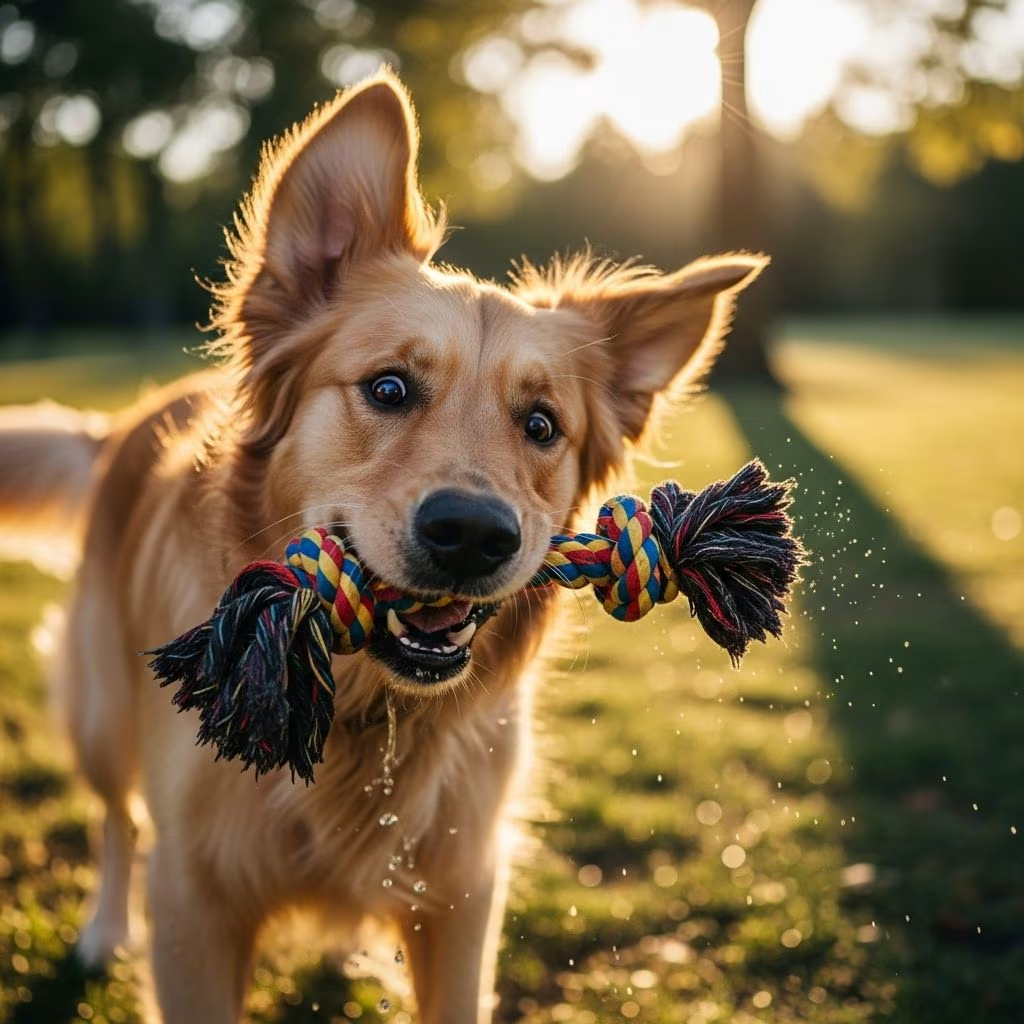
Dogs frequently engage in vigorous shaking of their toys during play, a behavior driven primarily by their innate predatory instincts inherited from wild ancestors. This action mimics the way wolves and other canines subdue prey, providing both physical exercise and mental satisfaction in a domestic setting.
The Evolutionary Roots of Toy Shaking
At the core of this behavior lies a dog’s ancestral prey drive, a survival mechanism refined over millennia. Wild canids, such as wolves, grasp small prey in their mouths and shake it rapidly to break its neck or immobilize it, ensuring a quick kill. Domestic dogs retain this reflex, redirecting it toward toys during play rather than actual hunting.
This instinct persists because it is hardwired into their neurology. Studies on canine behavior confirm that shaking motions activate reward centers in the brain, similar to successful hunting, releasing endorphins that make the activity enjoyable. Even puppies exhibit this from an early age, practicing essential skills through play that prepare them for adulthood.
Play as a Modern Outlet for Ancient Drives
In contemporary homes, toy shaking serves as a safe conduit for these primal urges. Without the need to hunt for food, dogs channel their energy into interactive play, turning plush animals or squeaky balls into stand-ins for prey. This not only fulfills biological needs but also strengthens the human-dog bond through shared activities.
Observe how a dog’s body language shifts during these sessions: ears perked, tail wagging furiously, and eyes focused intently. These signs indicate pure joy and engagement, transforming a simple toy into a source of profound entertainment.
How Energy Release Fuels the Action
Beyond instincts, shaking toys offers a vital outlet for pent-up energy. High-energy dogs, especially after long periods indoors, use this vigorous motion to burn calories and alleviate restlessness. It provides both aerobic exercise and muscle toning, akin to a natural workout.
Mental stimulation accompanies the physical benefits. The erratic movement of a toy challenges a dog’s coordination and problem-solving abilities, preventing boredom that could lead to destructive chewing elsewhere in the home. Regular sessions help maintain overall well-being, reducing issues like hyperactivity or anxiety.
Breed-Specific Tendencies in Toy Play
| Breed Group | Examples | Shaking Intensity | Reason |
|---|---|---|---|
| Terriers | Jack Russell, Bull Terrier | High | Bred for hunting vermin; strong prey drive |
| Retrievers | Labrador, Golden | Moderate | Waterfowl retrieval instincts |
| Herding | Border Collie, Australian Shepherd | Variable | Energy from working roles |
| Hounds | Beagle, Dachshund | High | Tracking and pursuit heritage |
Certain breeds display more pronounced shaking due to their historical roles. Terriers, developed to dispatch rodents, shake with particular ferocity, while hounds mimic pursuit behaviors. Understanding your dog’s lineage helps tailor play to match their predispositions.
Emotional Expressions Through Toy Interaction
Shaking often conveys emotional states. Excitement bubbles over when a dog anticipates play, leading to enthusiastic whipping of the toy. Conversely, it can relieve stress, acting as a self-soothing mechanism during anxious moments.
- Excitement: Tail wags, play bows, and vocalizations accompany the shake.
- Stress Relief: Isolated shaking without invitation to play may indicate unmet needs.
- Possessiveness: Growling or hiding toys signals resource guarding, requiring gentle training.
Recognizing these cues fosters empathy, allowing owners to respond appropriately—perhaps with more walks or puzzle toys for mental relief.
Selecting Toys for Optimal Shaking Sessions
Not all toys suit shakers equally. Durable materials prevent ingestion hazards, while features like squeaks or textures enhance appeal by simulating prey attributes.
- Durable rubber for aggressive chewers.
- Squeaky plush for instinct triggers.
- Rope toys for tug-and-shake combos, promoting dental health.
- Puzzle variants for added cognitive challenge.
Rotate toys weekly to sustain interest, mirroring how wild packs vary hunting strategies. Inspect regularly for damage, discarding frayed items promptly.
When Shaking Signals Potential Concerns
Typically benign, excessive or obsessive shaking warrants attention. Signs of trouble include:
- Shredding toys rapidly, hinting at boredom.
- Aggressive growling toward humans or other pets.
- Shaking paired with pacing or whining, suggesting anxiety.
Context matters: post-exercise shakes are healthy, while constant sessions without breaks may indicate insufficient stimulation. Track patterns via a simple journal to identify triggers.
Training Strategies for Balanced Play
Redirect unwanted intensity with positive reinforcement. Teach “drop it” or “gentle” using treats, rewarding calm interactions. Increase daily exercise—aim for 30-60 minutes of walks or fetch—to curb excess energy.
For possessiveness, practice controlled trades: offer a higher-value treat for the toy, building trust over time. Professional trainers excel here, especially for breeds prone to guarding.
Enhancing Play for Healthier Dogs
Incorporate variety: alternate solo shaking with interactive games like tug-of-war. Outdoor sessions amplify benefits, combining fresh air with instinctual fulfillment. Monitor for fatigue, as overexertion risks injury.
Technology aids too—smart toys with sensors track interaction, quantifying engagement for service dog suitability or general temperament assessment. This data informs personalized routines.
Frequently Asked Questions
Is toy shaking harmful to my dog?
Generally no, if using sturdy toys and supervising. It supports physical and mental health, but watch for joint strain in older dogs.
Why do some dogs shake more than others?
Breed genetics, age, and energy levels influence frequency. Puppies and working breeds often shake most vigorously.
Can I stop my dog from shaking toys?
Discourage only if problematic; otherwise, embrace it. Redirection preserves joy while curbing excesses.
What if shaking accompanies aggression?
Consult a vet or trainer to rule out pain or behavioral issues. Early intervention prevents escalation.
How often should my dog shake toys?
Daily play sessions suffice, tailored to lifestyle. More for high-drive dogs, less for seniors.
Health Benefits of Encouraging Natural Play
Regular toy shaking bolsters cardiovascular fitness, hones reflexes, and combats obesity—a growing concern in pets. Mentally, it wards off cognitive decline, vital for aging dogs.
Joint health improves via controlled motion, though soft surfaces prevent slips. Owners benefit indirectly, gaining fitter, happier companions less prone to mischief.
Real-World Tips from Canine Experts
Integrate shaking into routines: morning energizers, evening wind-downs. Pair with training for dual purpose. Community forums echo success with rotation strategies, sustaining long-term engagement.
For multi-dog homes, supervised group play channels instincts socially, mimicking pack dynamics safely.
References
- Why do dogs shake their toys? – Happy Staffy Co. — Happy Staffy Co. 2023-05-15. https://www.happystaffyco.com/blogs/news/why-do-dogs-shake-their-toys
- Why Do Dogs Shake Their Toys? – Woof — MyWoof. 2023-08-22. https://mywoof.com/blogs/articles/why-do-dogs-shake-their-toys
- Why Do Dogs Shake Their Toys? – YouTube — YouTube Channel (Transcript). 2022-11-10. https://www.youtube.com/watch?v=knCTXImKVqg
- This is the TRUTH about WHY DOGS SHAKE TOYS with their heads! – YouTube — YouTube Channel (Transcript). 2023-02-18. https://www.youtube.com/watch?v=lPAVY9AOa8c
- Owner’s Guide to The Psychology Of Dogs and Their Dog Toys — Holiday Barn. 2024-01-05. https://holidaybarn.com/blog/psychology-of-dogs-and-toys/
- Quantifying canine interactions with smart toys assesses suitability — PMC (Peer-reviewed). 2022-09-12. https://pmc.ncbi.nlm.nih.gov/articles/PMC9481248/



