

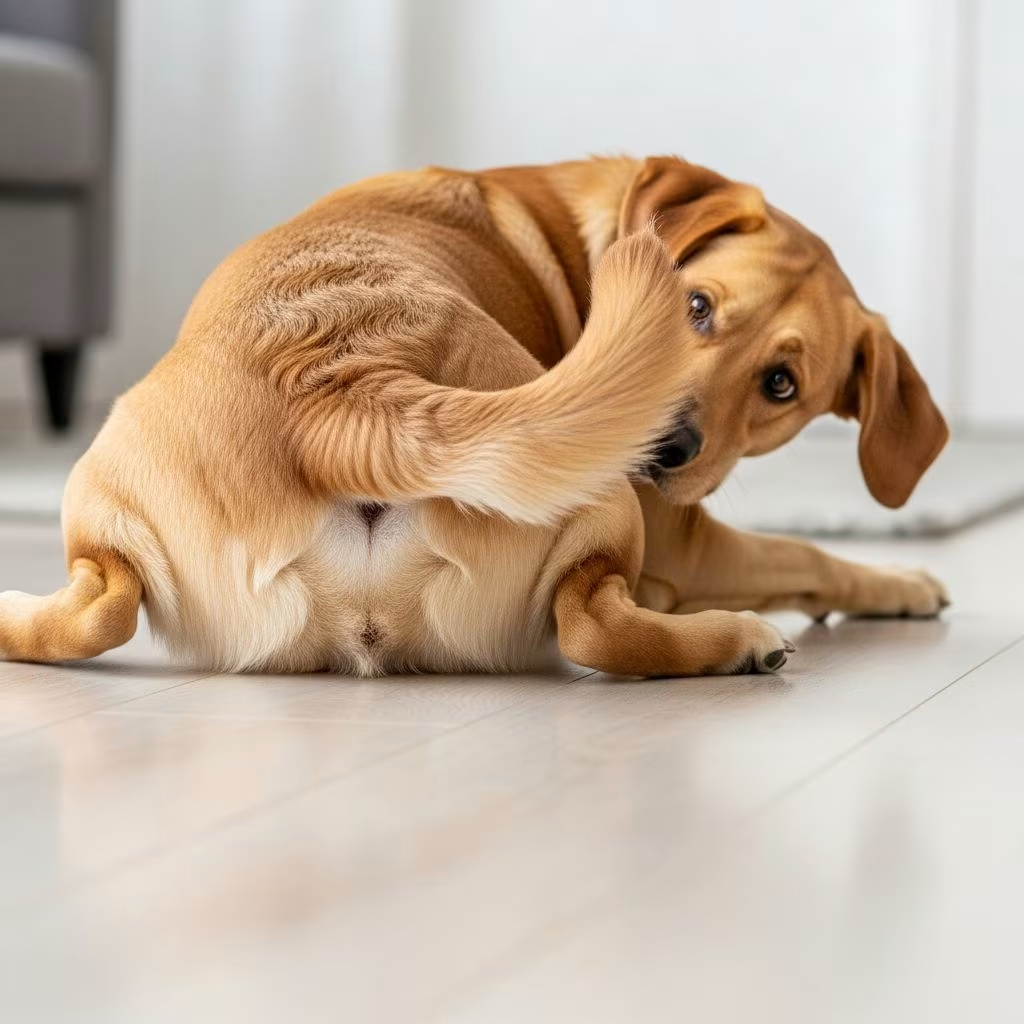
Why Dogs Scoot Their Butts: Causes and Solutions
If you’ve ever noticed your dog dragging their rear end across the ground or carpet, you’ve witnessed a behavior commonly called scooting. While it might look humorous, dog scooting is typically a sign that something is bothering your dog and needs attention. Understanding the reasons behind this behavior is crucial for ensuring your dog’s health and comfort. Scooting is essentially your dog’s way of attempting to relieve discomfort, whether it’s an itch, irritation, pain, or another underlying problem in the anal region. This comprehensive guide explores the various causes of dog scooting, how to identify symptoms, and the most effective treatment options available.
Understanding Dog Scooting
Dog scooting refers to a behavior where dogs drag their rear end along the ground, typically on grass, carpet, or other surfaces. This action is almost always a sign that something is irritating your dog in the anal area. Rather than being a behavioral issue or something to discourage, scooting should be viewed as a symptom of an underlying condition that requires investigation and treatment. When you notice your dog engaging in this behavior, it’s important to pay attention and consider what might be causing the discomfort.
The frequency and intensity of scooting can vary depending on the underlying cause. Some dogs may scoot occasionally, while others may do so repeatedly throughout the day. The more frequently your dog is scooting, the more pressing the need to identify and address the root cause.
Common Causes of Dog Scooting
Anal Gland Problems
Anal gland problems are the most frequent cause of scooting in dogs, affecting a significant portion of dogs that visit veterinary clinics. These small sacs, known as anal glands or anal sacs, are located on either side of your dog’s anus and contain a foul-smelling fluid that is typically expressed naturally during bowel movements. However, when these sacs become impacted or infected, they can cause significant discomfort for your dog.
Normally, your dog’s bowel movement triggers their anal sacs to empty automatically. But if the anal sacs aren’t working properly, the fluid can build up inside them. The glands in the sacs have a tendency to become inflamed, which solidifies the liquid and prevents its release. When the sacs remain continuously full or don’t empty properly, it becomes painful and the area may even become infected. This discomfort prompts your dog to scoot in an attempt to relieve the pressure and irritation.
Anal gland problems can manifest in several ways beyond scooting. Additional signs include excessive chewing or licking around the area, visible swelling around the anus, a noticeable foul smell, and difficulty defecating. In more severe cases, you might observe bloody discharge or signs of an abscess, which requires immediate veterinary attention.
Intestinal Parasites
Intestinal parasites represent another common culprit behind dog scooting behavior. Parasites such as tapeworms can cause intense itching and irritation in the anal area, leading dogs to scoot as a way to find relief. Dogs can acquire tapeworms by ingesting a flea carrying immature tapeworm larvae. These parasites can cause itching and irritation around the anus when the tapeworms exit the body after maturing in the stomach.
One telltale sign of tapeworms includes rice-like segments of worms visible around the anus, in your dog’s feces, or in their bedding. If scooting is accompanied by visible worms or changes in stool consistency, a parasite infestation could be the culprit. A veterinarian can often diagnose intestinal parasites through a physical examination or by analyzing a fecal sample.
Skin Infections
Bacterial or yeast infections in the skin surrounding the anus can cause intense itching and significant discomfort. These infections can develop due to various factors, including moisture buildup, poor hygiene, or secondary infections from excessive licking or scratching. Dogs with skin infections may scoot in an attempt to find relief from the persistent irritation.
Bacterial and fungal infections can be identified by symptoms such as redness, inflammation, discharge, and a foul odor in the affected area. These infections typically respond well to treatment with antibiotics and/or topical treatments prescribed by a veterinarian.
Allergies
Food, flea, and seasonal allergies can cause rashes, itchiness, and skin irritation that may extend to a dog’s hind-quarters. Allergies create inflammation and discomfort that can manifest as scooting behavior. Dogs with allergies often experience chronic itching, which may result in scooting to relieve the discomfort. Identifying the specific allergen is crucial for long-term management of this scooting cause.
Dietary Issues
A dog’s diet plays a significant role in their overall health, including the health of their gastrointestinal system. An improper diet can lead to issues like soft stools or diarrhea, which may necessitate more frequent anal gland expression. Over time, this can contribute to anal gland problems and increased scooting behavior. Ensuring your dog’s diet is well-balanced and suitable for their specific needs is an important step in preventing scooting caused by dietary issues.
Fecal Contamination
If a dog has long fur or has experienced a recent bout of diarrhea, they’re especially susceptible to bacterial contamination and irritation in the perianal area. When fecal matter remains on the fur around the anus, it can cause irritation and prompt scooting behavior. Keeping the fur in the area trimmed shorter and washing the area with gentle soap and warm water can resolve this problem.
Other Potential Causes
Several other conditions can cause dog scooting, though they are less common. Rectal prolapse, where the rectal tissue protrudes through the anus, can cause significant discomfort and scooting behavior. Wounds or tumors in the anal region can also cause discomfort that leads to scooting. Additionally, anal fissures, hemorrhoids, anal furunculosis, or lumps in the area can be responsible for this behavior.
Symptoms to Watch For
Identifying the symptoms associated with scooting can help you understand the severity of your dog’s condition and determine whether immediate veterinary attention is necessary. Key symptoms to monitor include:
- Excessive licking or chewing around the anal area
- Visible swelling around the anus
- A foul or unpleasant odor from the rear end
- Difficulty defecating or straining during bowel movements
- Blood or discharge around the anal area
- Redness or inflammation in the perianal region
- Changes in stool consistency (diarrhea or constipation)
- Visible parasites or rice-like segments in stool or bedding
Swelling is a particularly significant sign to watch for, as it can indicate an anal tumor or a painful anal gland abscess that needs immediate treatment. Similarly, swelling with redness, bruising, or discharge may point to a condition requiring urgent veterinary care.
Home Remedies and Management
Warm Water Compresses
One of the first steps you can take to provide relief to your scooting dog is applying a warm water compress to the affected area. A warm compress can help soothe irritation and reduce discomfort in the anal region. To apply a warm compress, soak a clean cloth in warm (not hot) water and gently apply it to the area for several minutes. This can be repeated multiple times daily as needed.
Dietary Adjustments
Increasing dietary fiber can help regulate your dog’s bowel movements and promote proper anal gland expression. A well-balanced diet with appropriate fiber content can prevent issues like constipation and diarrhea that contribute to scooting behavior. Consult with your veterinarian about the best dietary adjustments for your specific dog.
Proper Grooming and Hygiene
Regular grooming and hygiene practices can help prevent skin irritation and scooting. Keeping the fur around the anal area trimmed shorter reduces the likelihood of fecal contamination and bacterial buildup. Gentle washing of the area with warm water and mild soap can help maintain cleanliness and prevent infections.
When Home Remedies Aren’t Enough
If you’ve tried home remedies with no improvement over several days, or if your dog’s scooting is accompanied by severe symptoms, it’s important to have them seen by a veterinarian. Some dogs may experience temporary post-worming itchiness around the anus as dead worms exit their body, leading to continued scooting, but this typically subsides over time as the remnants are eliminated naturally.
Professional Veterinary Treatment Options
Anal Gland Expression
If your dog’s scooting behavior is caused by obstructed anal glands, a veterinarian can manually express the glands to ease pain and discomfort. This procedure can be done at home by some pet owners who have been trained by their veterinarian, or by a professional veterinarian during a clinic visit. Manual expression provides immediate relief by removing the buildup of fluid in the glands.
Antibiotic Treatment
When anal glands become infected, your veterinarian may prescribe antibiotics to treat the infection. Dr. Sara Ochoa, DVM, notes that when anal glands are infected, dogs typically receive a round of antibiotics and sometimes pain medication. Antibiotic ointments may also be recommended for topical application to the affected area.
Medications and Pain Management
In cases where the glands are very inflamed, swollen, or painful, your veterinarian may prescribe anti-inflammatory medications or pain relief medications to help your dog feel more comfortable. These medications can be particularly helpful while waiting for other treatments to take effect.
Advanced Procedures
For severe or persistent anal gland problems, your veterinarian may recommend more advanced procedures. These can include lancing or flushing the sacs under general anesthesia to thoroughly clean them and remove hardened material. In cases of rectal prolapse, your vet may stitch your dog’s anus partially closed to prevent the prolapse from happening again.
Diagnostic Testing
When scooting behavior is persistent or accompanied by other symptoms, a veterinarian may perform diagnostic tests to determine the underlying cause. These tests might include blood work, a fecal examination to check for parasites, skin scrapings to identify infections, or other specialized tests depending on the suspected cause.
Surgical Intervention
In rare cases where chronic anal gland issues persist despite conservative treatment, surgical intervention may be necessary. Surgical removal of the anal glands or repair of other anatomical problems causing scooting may be recommended by your veterinarian.
Parasite Treatment
If parasites are identified as the cause of scooting, your veterinarian will prescribe appropriate deworming medications to eliminate the infestation. Different parasites require different treatment approaches, so proper diagnosis is essential for effective treatment.
When to See Your Veterinarian
While occasional mild scooting might resolve on its own, certain situations warrant prompt veterinary attention. You should contact your veterinarian if:
- Scooting persists for more than a few days
- Your dog shows signs of pain or discomfort in the anal area
- There is visible swelling, redness, or discharge
- You notice blood in the stool or around the anal area
- Your dog has difficulty defecating or straining excessively
- There is a foul odor emanating from the rear end
- Your dog has visible parasites or worms in stool or bedding
- Home treatments have not improved the condition
If your dog’s glands look very enlarged or they’re having bloody discharge, it’s particularly important to schedule a veterinary appointment promptly.
Prevention Strategies
While not all causes of scooting can be prevented, several strategies can help reduce the likelihood of this behavior:
- Maintain a high-quality, well-balanced diet appropriate for your dog’s age and size
- Ensure your dog receives regular exercise and maintains a healthy weight
- Keep your dog’s perianal area clean and groomed, especially if they have long fur
- Use regular flea and tick prevention to reduce parasite risk
- Schedule regular veterinary check-ups for preventive care
- Monitor your dog’s stool consistency and digestive health
- Avoid unnecessary manual anal gland expression unless recommended by your veterinarian
Understanding Anal Gland Trauma
It’s important to note that your dog may experience trauma to their anal sacs if a groomer manually expressed the glands unnecessarily. Because these sacs are delicate, they can be injured by manipulation or squeezing during manual expression. The glands can experience tissue damage and become inflamed, preventing them from functioning normally. Repeated expressing can also injure your dog’s anal sacs and cause them to lose the necessary muscle tone that enables them to express themselves on their own.
Health Complications from Untreated Scooting
Persistent scooting isn’t just uncomfortable for your dog—it can also lead to complications if left untreated. Untreated anal gland issues can progress to painful abscesses or serious infections requiring more intensive treatment. Untreated parasites can compromise your dog’s overall health and potentially spread to other animals. Additionally, excessive scooting can cause skin abrasions or infections around the anal area due to constant friction and irritation.
Frequently Asked Questions
Q: How long does it take for scooting to resolve after treatment?
A: Recovery time depends on the underlying cause. Some cases may self-resolve within 24 hours, while others may take several days to weeks depending on whether the cause is anal gland impaction, infection, parasites, or other conditions. Your veterinarian can provide a timeline based on your dog’s specific situation.
Q: Can I express my dog’s anal glands at home?
A: While it’s possible to learn anal gland expression from your veterinarian, it’s generally safer to have a professional handle this procedure. Improper technique can injure the delicate glands and cause trauma or infection. If you’re interested in learning, ask your veterinarian for guidance and demonstration.
Q: Is dog scooting contagious to other pets?
A: Scooting itself is not contagious, but the underlying causes might be. Parasites can spread between animals, and bacterial or fungal infections could potentially spread in multi-pet households. Practicing good hygiene and keeping your dog’s living area clean can help prevent transmission.
Q: What diet can help prevent scooting?
A: A high-quality, well-balanced diet with appropriate fiber content can help prevent scooting related to digestive issues. Foods that promote healthy stool consistency and regular bowel movements are beneficial. Your veterinarian can recommend specific diet options based on your dog’s needs.
Q: How often should anal glands be expressed?
A: Most dogs’ anal glands express naturally during bowel movements and don’t require manual expression. Manual expression should only be performed when necessary and recommended by your veterinarian, as unnecessary expressing can damage the glands. Discuss the appropriate frequency with your vet based on your dog’s individual health.
Q: Can allergies cause scooting?
A: Yes, food, flea, and seasonal allergies can cause skin irritation and itching around the anal area, leading to scooting behavior. If allergies are suspected, your veterinarian can help identify the allergen and recommend appropriate treatment options.
Conclusion
Dog scooting is a common behavior that warrants investigation rather than dismissal. Whether caused by anal gland problems, parasites, skin infections, allergies, or dietary issues, scooting indicates that your dog is experiencing some form of discomfort. By understanding the various causes and recognizing the symptoms, you can take appropriate action to help your dog feel better. While some mild cases may resolve with home remedies, persistent scooting should always be evaluated by a veterinarian to determine the underlying cause and appropriate treatment. With proper diagnosis and treatment, most cases of scooting can be effectively managed, allowing your dog to return to normal comfort and behavior. Remember that scooting is your dog’s way of communicating that something needs attention, so responding promptly to this behavior demonstrates your commitment to their health and well-being.
References
- Home Remedies for Dog Scooting: How to Help Itchy Butts — Vetnique. https://vetnique.com/blogs/news/home-remedies-for-dog-scooting
- Why Is My Dog Dragging Its Bottom? — WebMD Pets. https://www.webmd.com/pets/dogs/dog-dragging-bottom
- Why Does My Dog Scoot? — Compassion Animal Hospital. https://compassionanimalhospital.com/why-does-my-dog-scoot/
- Why Your Dog Is Dragging Their Butt and Scooting — Express Vets Cumming. https://www.expressvetscumming.com/blog/why-your-dog-is-dragging-their-butt-and-scooting
- Why Is My Dog Scooting? — American Kennel Club. https://www.akc.org/expert-advice/health/why-is-my-dog-scooting/
- Why Do Dogs Scoot Their Butts? — Best Friends Veterinary Hospital. https://bestfriendsvet.org/blog/why-dogs-scoot-their-butts/
- Scooting in Dogs — PDSA. https://www.pdsa.org.uk/pet-help-and-advice/pet-health-hub/symptoms/scooting-in-dogs
- Scooting in Dogs — Joii Pet Care. https://www.joiipetcare.com/blogs/health-symptoms/scooting-in-dogs



