

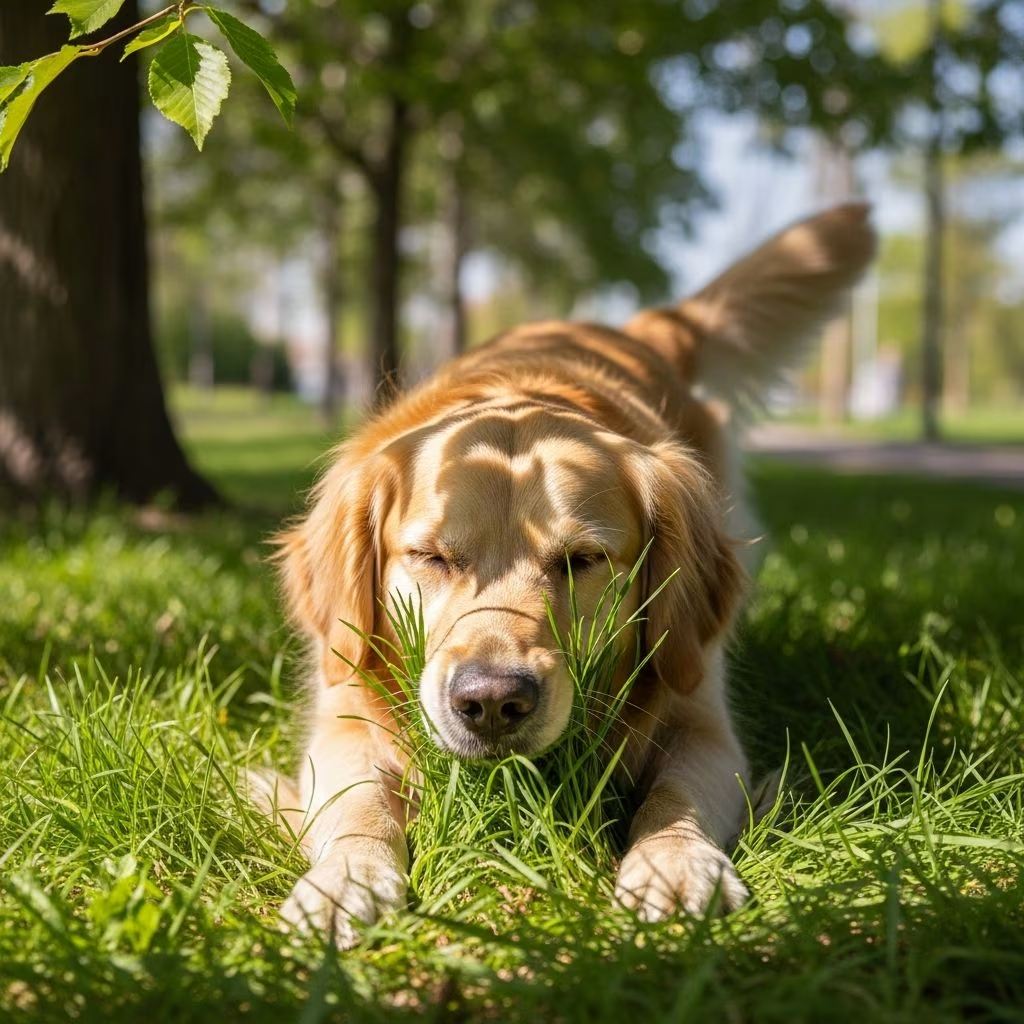
Dogs frequently engage in face rubbing against the ground, a behavior that can stem from instinctual drives, physical discomfort, or environmental responses. This action serves various purposes, from relieving irritation to communicating through scents. Understanding the underlying motivations helps pet owners determine if it’s harmless or requires professional intervention.
Common Physical Causes of Face Rubbing
Physical discomfort often prompts dogs to rub their faces vigorously on floors, carpets, grass, or rugs. Irritations in the mouth, eyes, ears, or skin trigger this response as dogs attempt self-soothing.
- Dental Problems: Loose, rotten, or misaligned teeth cause sharp pain, leading dogs to paw at their mouths or rub against surfaces for relief. Signs include yelping during meals or difficulty closing the jaw.
- Teething in Puppies: Young dogs losing baby teeth experience gum soreness, prompting face grinding to ease the ache. This peaks around 12-18 weeks.
- Foreign Objects: Sticks, grass seeds, or food debris lodged in teeth or gums irritate sensitive tissues, causing immediate rubbing.
Owners noticing persistent rubbing after playtime or meals should inspect the mouth gently for stuck items or swelling.
Allergies and Skin Irritations
Allergic reactions rank among the leading triggers for facial rubbing. Dogs suffer from environmental allergens like pollen, dust mites, or food sensitivities, resulting in itchy skin concentrated on the face, paws, and belly.
Key indicators include:
- Rust-colored tear stains on light-furred breeds.
- Excessive paw licking or chewing.
- Red, inflamed skin patches.
Seasonal flare-ups, especially in spring, exacerbate symptoms. Veterinary allergy testing can pinpoint triggers, with treatments ranging from medicated shampoos to hypoallergenic diets.
Ear and Eye Issues Driving the Behavior
Ear infections or eye irritants frequently cause dogs to target specific areas with ground rubbing. The ear canal’s L-shaped structure traps moisture, debris, or parasites, fostering bacterial growth and itchiness.
| Issue | Symptoms | Actions |
|---|---|---|
| Ear Infections | Head shaking, odor, discharge, redness | Clean ears weekly; vet-prescribed drops |
| Eye Irritations | Discharge, squinting, redness, boogers | Wipe with saline; check for injuries |
| Foreign Bodies | Sudden rubbing, pawing at face | Inspect and remove safely; seek vet if embedded |
Routine ear checks post-walks prevent escalations, particularly in floppy-eared breeds prone to infections.
Parasites Infesting the Face Area
External parasites like fleas, ticks, mites, and lice provoke intense itching, often localized to the face and head. Sarcoptic mange mites burrow into skin, causing severe dermatitis, while demodex affects immunocompromised dogs.
- Fleas: Visible jumping insects; treat with spot-ons.
- Mites: Crusty skin, hair loss; requires vet diagnosis via scraping.
- Ticks: Embedded lumps; remove with tweezers.
Monthly preventatives safeguard against infestations, especially in multi-pet homes or wooded areas.
Normal and Instinctual Reasons
Not all face rubbing signals trouble; many instances reflect natural canine habits. Dogs possess scent glands on their faces, using rubbing to mark territories with personal odors, a holdover from wild ancestors.
Other benign causes:
- Grooming: Wiping away food residue, saliva, or dirt post-meals feels satisfying.
- Sensory Pleasure: Cool grass or textured carpets provide enjoyable friction.
- Scent Investigation: Enhancing smells from other animals via facial glands.
- Post-Bath Relief: Shampoo irritation or water droplets prompt drying rubs.
These behaviors typically occur sporadically without accompanying distress signs like whining or lethargy.
Rare Medical Conditions to Consider
Though uncommon, neurological disorders like Chiari-like malformation (CM) and syringomyelia (SM) can manifest as excessive face rubbing. CM involves skull malformation compressing the brain, leading to fluid buildup in the spinal cord (SM), which irritates nerves and causes phantom itches.
Affected breeds include Cavalier King Charles Spaniels and brachycephalics. Symptoms progress to include neck pain, scoliosis, and ataxia. MRI confirms diagnosis; surgery may alleviate pressure.
Low calcium (hypocalcemia) rarely triggers rubbing alongside tremors or seizures, demanding urgent bloodwork.
When to Consult a Veterinarian
Distinguish normal from problematic rubbing by duration and context. Seek vet care if:
- Rubbing persists over 24-48 hours.
- Accompanied by swelling, bleeding, odor, or behavioral changes.
- Dog avoids food, yelps, or shows balance issues.
Early intervention prevents complications like secondary infections. Vets perform exams, possibly including dental cleanings, allergy panels, or imaging.
Prevention Strategies for Happy Dogs
Proactive measures reduce face-rubbing incidents:
- Regular grooming and baths with hypoallergenic products.
- Parasite preventatives year-round.
- Balanced diet avoiding common allergens like grains or chicken.
- Teething toys for puppies to redirect discomfort.
- Environmental controls: air purifiers, frequent yard mowing.
Monitor during high-risk periods like puppyhood or allergy seasons for timely adjustments.
FAQs
Why does my dog rub its face on the carpet after eating?
Dogs rub post-meal to remove sticky residue or soothe minor irritations from kibble edges.
Is face rubbing always a sign of allergies?
No, while common, it can also indicate parasites, dental pain, or normal grooming.
What if my puppy rubs its face excessively?
Puppies often teethe; provide chew toys, but check for stuck objects or infections.
Does grass rubbing mean ear mites?
Possibly, especially with head shaking; inspect ears and consult a vet.
Can stress cause face rubbing?
Rarely primary, but anxiety amplifies irritations; enrich environment with toys and exercise.
References
- Why Do Dogs Rub Their Face Against the Floor? Common Causes — Petful. 2023-05-15. https://www.petful.com/pet-health/dogs-rub-their-face-against-the-floor/
- What to Do if Your Dog Is Rubbing Its Face Constantly — Southeast Veterinary Neurology. 2024-02-10. https://sevneurology.com/blog/dog-rubbing-face
- Why Dogs Rub Their Head and Face in the Grass Explained — Pets4Homes. 2023-11-20. https://www.pets4homes.co.uk/pet-advice/what-does-it-mean-if-your-dog-rubs-their-head-and-face-in-the-grass.html
- Reasons Why Dogs Rub Their Faces — Petcube. 2024-01-05. https://petcube.com/blog/dogs-rub-their-faces/
- Why is my dog rubbing his face? — WagWalking. 2023-08-12. https://wagwalking.com/symptom/why-is-my-dog-rubbing-his-face



