

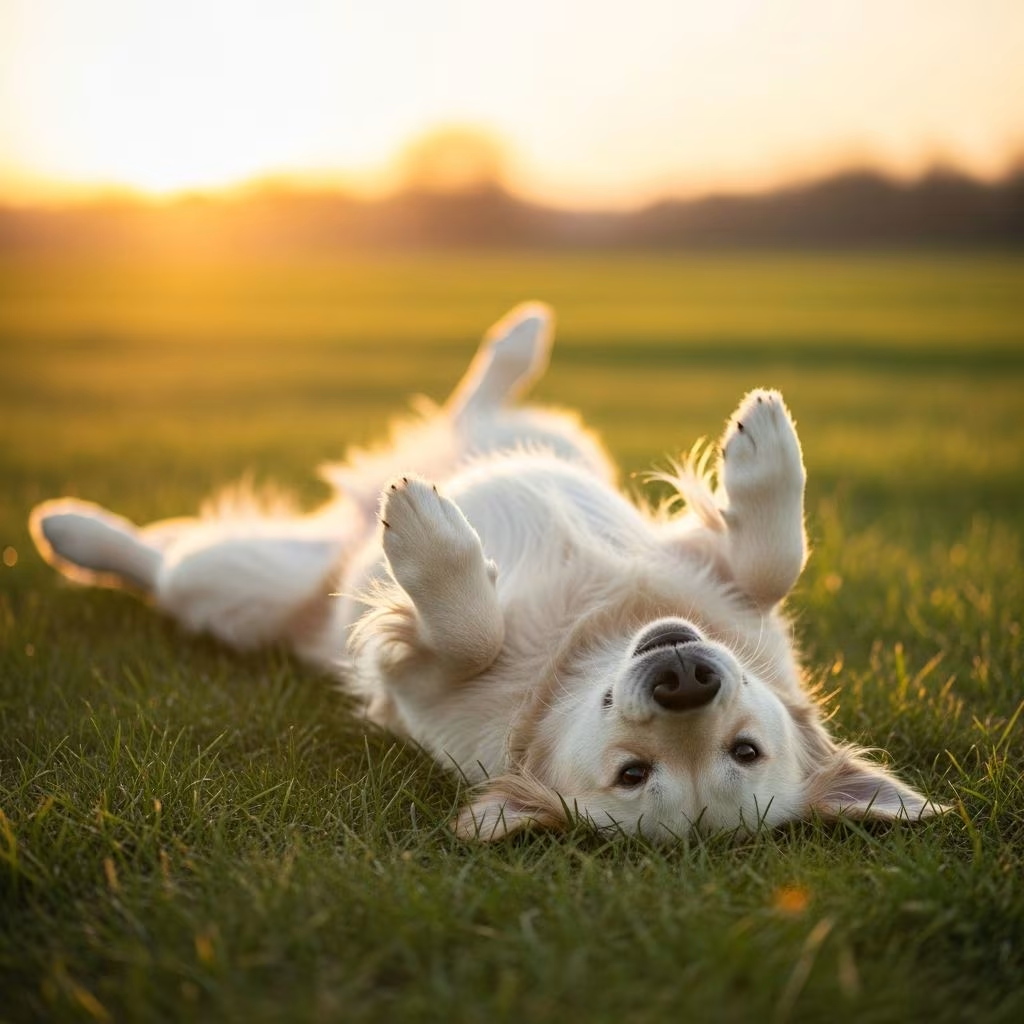
Why Dogs Roll on Their Backs: Understanding Your Dog’s Behavior
Dog owners often find themselves wondering about the various behaviors their furry companions display. One of the most common and adorable behaviors is when a dog rolls onto their back. While many assume this is simply an invitation for belly rubs, the reality is far more complex. Dogs roll on their backs for numerous reasons, ranging from physiological needs to emotional communication. Understanding these behaviors helps pet owners better interpret their dog’s needs and strengthen the bond they share.
The Science Behind Back-Rolling
Dogs possess an extraordinary sense of smell, with their noses being approximately 300 times more sensitive than the average human nose. This heightened olfactory ability plays a crucial role in canine communication and environmental awareness. When dogs roll on their backs, they position their nostrils in an unusual orientation that allows them to gather additional sensory information from their surroundings. This multi-sensory experience, combining sight, smell, and tactile sensation, provides dogs with comprehensive data about their environment and is one of the most common reasons they engage in this behavior.
Primary Reasons Why Dogs Roll on Their Backs
1. Scent Detection and Communication
A dog’s primary method of understanding the world involves scent. When a dog rolls on their back, the inverted position of their nose allows them to process scents more effectively. Dogs use this behavior as a form of non-verbal communication, gathering information about other animals, locations, and environmental changes. This scent-gathering behavior is instinctive and deeply rooted in their evolutionary history as pack animals and hunters.
2. Masking Their Own Scent
Research suggests that dogs retain ancient defense mechanisms from their wild ancestors. Dogs roll in other scents—including dead animals, feces, and decomposing matter—to disguise their own scent. This behavior theoretically helped wild dogs approach prey without being detected by their quarry. While this instinct seems counterintuitive to modern pet owners, it remains a powerful biological drive in many dogs. The stronger and more pungent the smell, the more effective it is for masking purposes, which explains why dogs are attracted to particularly foul-smelling substances.
3. Territory Marking
Dogs communicate with other animals through multiple methods, one of which involves rolling on their backs to leave scent messages. This behavior is a form of territorial marking, similar to when dogs urinate in small amounts across various locations. By rolling on their backs, dogs deposit scent markers that signal to other animals that they have been in that location. This is particularly important for establishing territory and maintaining social hierarchies within multi-dog environments.
4. Addressing Itchy Skin
One straightforward reason dogs roll on their backs is to scratch an itch they cannot reach through conventional scratching. Rolling in grass or on carpet provides relief for these hard-to-reach areas. However, pet owners should distinguish between normal itching and excessive scratching. Excessive scratching that damages hair or skin may indicate fleas, ticks, parasites, allergies, or pain, requiring veterinary attention.
Normal back-rolling for itching relief is accompanied by visible satisfaction and is typically done on soft surfaces like grass or rugs. If your dog engages in this behavior occasionally, it’s generally not a cause for concern. However, if you notice frequent, intense itching or skin damage, consult your veterinarian.
5. Tactical Advantage During Play
While many people assume a dog rolling on their back during play is a submissive gesture, research from a 2015 study in Behavioural Processes determined that rolling over during play was actually a “combat maneuver adopted as part of an ongoing play sequence”. Scientists found that the frequency of rollovers depended on play duration and that none of the movements were truly submissive but rather defensive or offensive maneuvers.
When dogs roll on their backs, they gain a tactical advantage by launching playful attacks or escaping play bites to the neck. This behavior is particularly common when larger dogs interact with smaller dogs or puppies. In these situations, rolling on their backs is a form of self-handicapping—a way for larger dogs to level the playing field and ensure both participants can enjoy roughhousing safely.
6. Expressing Trust and Happiness
A dog rolling on their back with a relaxed body, loose limbs, and an open mouth is expressing contentment and happiness. This is genuinely one of the happiest states a dog can display, and it often indicates they feel completely safe in their environment. When a dog flops over in front of you with their paws in the air and makes eye contact, they are likely inviting affection and seeking belly rubs.
Understanding Body Language Context
Interpreting a dog’s back-rolling behavior requires careful observation of accompanying body language signals. The same action can mean entirely different things depending on the context and other physical cues the dog is displaying.
Positive Indicators
- Relaxed body and loose limbs: Indicates happiness and trust
- Wagging tail: Shows excitement and contentment
- Soft, open eyes: Demonstrates comfort and affection
- Play bow position: Signals invitation to play
- Wiggling and shimmy movements: Expresses joy or itching relief
Negative or Cautious Indicators
- Stiff body: Suggests nervousness and a request to not be touched
- Ears pinned back: Indicates fear or anxiety
- Wide eyes: Demonstrates discomfort or feeling threatened
- Tensed legs: Shows the dog is uncomfortable and potentially defensive
- Lack of eye contact: May signal submission or apprehension
Fear and Anxiety Expression
Dogs at the opposite end of the emotional spectrum from happy contentment also roll on their backs, but for very different reasons. When dogs are scared or anxious, they use the back-rolling position to diffuse or prevent aggression. A dog who lacks adequate socialization and becomes overwhelmed around unfamiliar dogs may roll on their back as a defensive strategy to keep others at bay.
An anxious or scared dog may also use back-rolling as a polite maneuver to convey that they are not interested in further engagement, particularly from strangers. If you’ve observed a dog snapping at someone shortly after accepting belly rubs, this is likely an example where the rolling behavior meant “please stop” rather than “please touch me”. Pet owners should respect these signals and refrain from forcing interaction with dogs displaying these fear-based body language cues.
Back-Rolling During Walks and Outdoor Exploration
Dogs frequently roll on their backs during walks for several reasons. One primary motivation is scent marking and territory establishment. Dogs have sebaceous glands in their skin that release pheromones, and rolling allows them to deposit these chemical signals throughout their environment. This helps dogs establish their presence and communicate with other animals in their territory.
Additionally, outdoor rolling may involve rolling in scents the dog finds appealing or finds useful for masking their own scent. While this behavior is completely natural, it can present challenges for pet owners who prefer their dogs to remain clean during walks. Understanding that this is an important form of canine communication and a deep biological drive can help owners approach the behavior with patience.
When Back-Rolling Indicates Health Issues
While back-rolling is typically a normal behavior, certain circumstances warrant veterinary attention:
- Excessive scratching: Frequent, intense scratching that damages skin or coat may indicate parasites, allergies, or infections
- Localized rolling: Repeated rolling in one specific area might signal pain or discomfort
- Behavioral changes: Sudden increases in back-rolling behavior could indicate underlying health problems
- Accompanied symptoms: Hair loss, redness, odor, or skin lesions suggest medical issues requiring professional evaluation
If you notice any of these concerning signs, consult your veterinarian to rule out medical causes before assuming the behavior is purely behavioral.
How to Respond to Your Dog’s Back-Rolling
Understanding what your dog’s back-rolling means helps you respond appropriately:
- When seeking belly rubs: Offer gentle rubbing and affection while observing your dog’s body language for signs of continued enjoyment
- When expressing anxiety: Give your dog space and avoid forcing interaction; speak in calm, reassuring tones
- During play: Allow your dog to engage in this natural play behavior while monitoring for signs of excessive roughness
- When outdoor rolling occurs: Consider allowing brief rolling in safe, clean areas, recognizing this as important canine behavior
- With itching: If rolling becomes excessive, schedule a veterinary check-up
The Role of Individual Personality
Every dog has a unique personality, and back-rolling frequency and style vary significantly among individual dogs. Some dogs are naturally more prone to back-rolling, while others rarely display this behavior. Breed tendencies, past experiences, socialization, and individual temperament all influence how frequently and in what contexts a dog rolls on their back. What matters most is learning your individual dog’s patterns and understanding what their specific back-rolling behavior communicates within their unique context.
Frequently Asked Questions About Dog Back-Rolling
Q: Does a dog rolling on their back always mean they want belly rubs?
A: No. While many dogs do roll on their backs seeking affection, this behavior can also indicate fear, anxiety, play invitation, scent marking, or itching. Always observe accompanying body language to determine the dog’s actual intent.
Q: Is back-rolling a sign of submission?
A: Research has challenged this common assumption. A 2015 study found that back-rolling during play is a combat maneuver rather than a submissive gesture. However, back-rolling can indicate submission in other contexts, particularly when accompanied by fearful body language.
Q: Why do dogs roll in smelly things?
A: Dogs roll in strong-smelling substances to mask their own scent, an evolutionary behavior from their wild ancestors. This ancient defense mechanism helped wild dogs approach prey undetected.
Q: Should I be concerned if my dog rarely rolls on their back?
A: No. Back-rolling frequency varies among individual dogs based on personality, breed, and past experiences. Some dogs are naturally less inclined to display this behavior, which is completely normal.
Q: What should I do if my dog shows stiff body language while rolling on their back?
A: A stiff body during back-rolling indicates anxiety or discomfort rather than happiness. Avoid touching the dog and give them space. Speak in calm, reassuring tones and consult a trainer if the behavior occurs frequently.
Q: Is back-rolling during walks normal?
A: Yes. Dogs roll during walks for scent marking, territory establishment, and gathering sensory information. This is completely normal canine behavior, though you may want to ensure the rolling area is clean and safe.
References
- 5 Reasons Why Dogs Roll on Their Backs — Native Pet. 2024. https://nativepet.com/blogs/health/why-do-dogs-roll-on-their-backs
- Why Do Dogs Roll Around on Objects? — Canidae. 2024. https://canidae.com/blog/why-do-dogs-roll-around-on-objects
- Why Do Dogs Roll on Their Backs? — Whole Dog Journal. 2024. https://www.whole-dog-journal.com/behavior/why-do-dogs-roll-on-their-backs/
- Why Does My Dog Roll on Their Back? — American Kennel Club. 2024. https://www.akc.org/expert-advice/lifestyle/why-does-my-dog-roll-on-their-back/
- Why Do Dogs Roll on Their Backs and Wiggle — Blue Buffalo. 2024. https://www.bluebuffalo.com/articles/dog/why-do-dogs-roll-on-their-backs/
- Why Does My Dog Roll Over on His Back During the Walk? — Jagger Lewis. 2024. https://www.jagger-lewis.com/en/blog/why-does-my-dog-roll-over-on-his-back



