

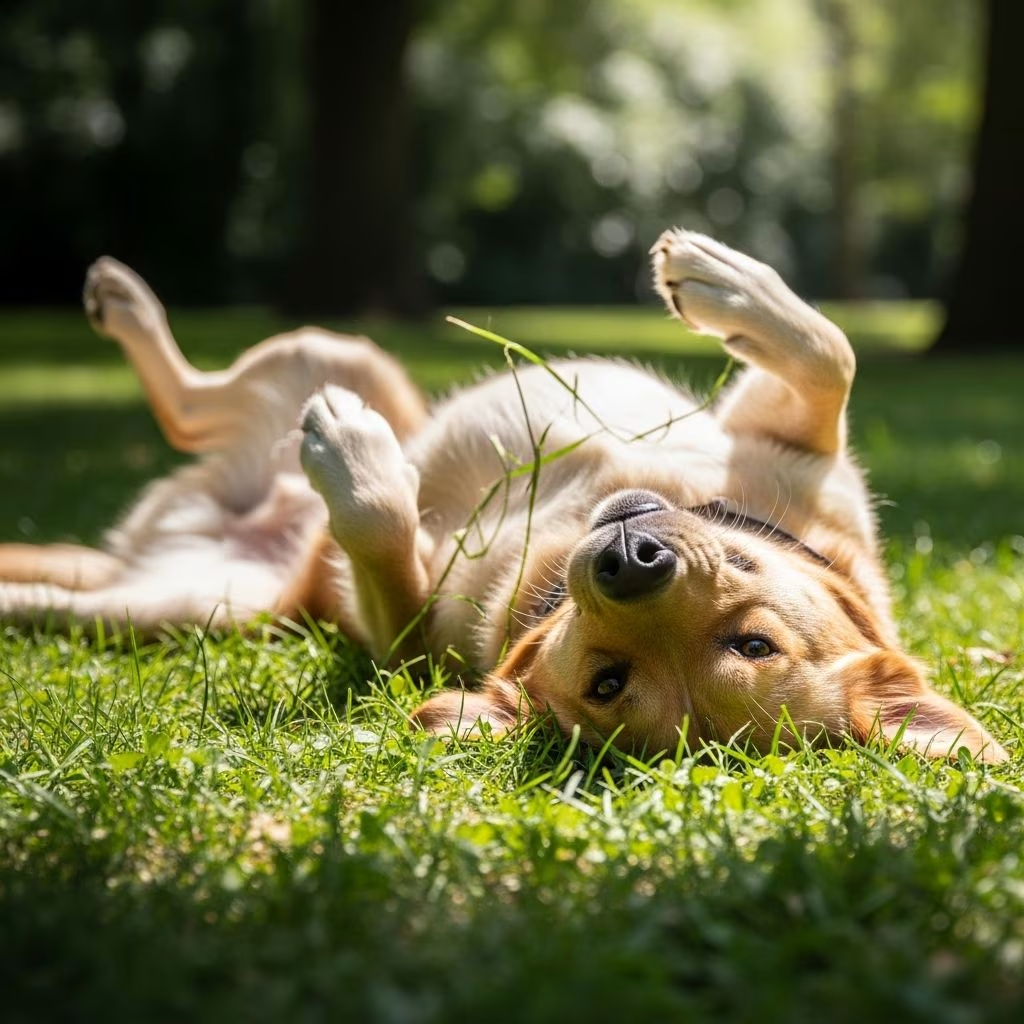
Dogs frequently flip onto their backs, wriggling with apparent delight on grass, carpets, or even questionable substances. This captivating behavior stems from deep-rooted instincts, environmental responses, and social dynamics, offering pet owners a window into their canine companions’ minds.
The Instinctive Drive Behind Back-Rolling
At its core, a dog’s tendency to roll on its back traces back to ancestral survival strategies. Wild canines, including wolves, used this action to mask their natural odor with environmental scents, helping them evade predators or stalk prey undetected. Domestic dogs retain this primal urge, often rolling in strong-smelling items like dead animals or pungent plants to blend into their surroundings.
Research indicates that this scent-rolling serves a communicative purpose within packs. By coating themselves in novel odors, dogs essentially “report” discoveries to group members, fostering social cohesion through shared sensory information. In modern settings, this translates to your pet enthusiastically rubbing against a fishy beach find or a roadside carcass, much to the dismay of nearby humans.
Comfort and Physical Relief as Key Motivators
Beyond instinct, back-rolling provides practical benefits for physical well-being. The belly area, with its thinner fur coat, serves as an efficient cooling mechanism during warm weather. By exposing this vulnerable spot to cooler air or surfaces, dogs effectively lower their body temperature.
Itch relief ranks high among reasons too. Fleas, allergies, or dry skin prompt vigorous rolling to scratch hard-to-reach back areas against the ground. If your dog targets specific spots obsessively, inspect for parasites or dermatitis, as persistent discomfort may signal underlying issues.
- Cooling effect: Ideal on hot days or after exercise.
- Itch scratching: Targets back and shoulders effectively.
- Massage sensation: Ground friction mimics a satisfying rubdown.
Social Signals and Communication Through Posture
Dogs master non-verbal cues, and back-rolling plays a pivotal role in interactions. Exposing the belly traditionally signals trust and relaxation, inviting gentle engagement from trusted humans or pack mates. However, context matters—observe accompanying tail wags, relaxed limbs, and soft eyes to confirm it’s an invitation rather than distress.
In multi-dog settings, this posture communicates peaceful intentions. A dog might roll to de-escalate tension, assuring others of non-threatening motives. Studies challenge the oversimplified “submission” label, showing rollovers often convey confidence rather than fear.
| Context | Body Language | Meaning |
|---|---|---|
| Greeting owner | Loose body, wagging tail, play bow | Excitement and affection |
| With strangers | Stiff posture, ears back, lip licking | Anxiety or appeasement |
| During arguments | Tense muscles, avoidance gaze | Calming signal to prevent conflict |
Playtime Tactics: Strategy Over Surrender
During romps, back-rolling transforms into a clever maneuver. Far from tapping out, dogs use this position to reposition for counterattacks or evade bites. A 2015 study in Behavioural Processes analyzed play sessions, finding rollovers as offensive or defensive plays rather than submissive acts. Frequency increased with prolonged play, highlighting its tactical value.
Larger dogs may self-handicap by rolling, allowing smaller playmates a fair shot and prolonging fun. This behavior, termed “self-takedowns,” promotes equitable engagement. Watch for paw raises or sudden lunges post-roll—these signal an impending playful pounce.
When Rolling Indicates Stress or Health Concerns
Not all back-rolls signal joy. Anxious dogs adopt this posture to diffuse threats, accompanied by trembling, whining, or urinary leakage. Poor socialization or overwhelming stimuli can trigger such appeasement gestures, warranting environmental adjustments and confidence-building training.
Health red flags include yelping during rolls, disorientation, or fixation on foul substances, potentially pointing to pain, neurological problems, or compulsions. Compulsive rolling might stem from stress or allergies; consult a vet if behavior escalates.
- Normal signs: Relaxed expression, voluntary repetition, no vocalization.
- Warning signs: Limping, excessive scratching, obsession with one area.
Breed and Individual Variations in Rolling Habits
Not all dogs roll equally. Scent hounds like Beagles and Bloodhounds exhibit heightened rolling due to superior olfactory drives, frequently scent-marking during outings. Short-haired breeds favor it for cooling, while heavy-coated ones use it more for itch relief.
Personality influences frequency too—bold, playful dogs roll exuberantly, while timid ones reserve it for safe spaces. Age plays a role: puppies experiment frequently, seniors may roll less due to joint stiffness.
Training Tips to Manage Undesirable Rolling
While endearing, rolling in skunk spray or indoors demands management. Employ positive reinforcement: interrupt with a cheerful “leave it,” redirect to a toy, and reward compliance. Consistency prevents reinforcement of unwanted habits.
Environmental tweaks help—regular flea preventives reduce itch-driven rolls, and designated play areas contain mess. For anxiety-related rolling, desensitization exposes dogs gradually to triggers, pairing with treats to reshape responses.
- Observe patterns: Note triggers like specific smells or times.
- Gently interrupt: Use voice and leash without scolding.
- Rewind and reward: Offer alternatives like fetch or rubs.
- Seek pro help: Trainers address persistent issues.
Enhancing Your Bond Through Understanding Rolls
Decoding back-rolling deepens the human-canine connection. Respond to invitations with affectionate scratches, respect avoidance cues by backing off, and celebrate playful antics. This attunement builds mutual trust, reducing misunderstandings.
Regular observation hones your skills—journal rolls’ contexts to spot trends, informing tailored care. Ultimately, embracing these quirks celebrates your dog’s unique spirit.
Frequently Asked Questions (FAQs)
Is back-rolling always a request for belly rubs?
No, it often serves other purposes like cooling or play. Read full body language before petting.
Why does my dog roll in poop or dead things?
This masks their scent instinctively, a holdover from wild ancestors.
When should I worry about excessive rolling?
If paired with pain signs or obsession, vet evaluation is advised.
Can training stop scent-rolling entirely?
Not fully, as it’s innate, but redirection minimizes issues.
Do all breeds roll on their backs?
Most do, but scent breeds and active types more frequently.
References
- Why Do Dogs Roll On Their Backs? — Kinship. 2023. https://www.kinship.com/dog-behavior/why-dogs-roll-on-backs
- Why Do Dogs Roll on Their Backs? — Whole Dog Journal. 2023. https://www.whole-dog-journal.com/behavior/why-do-dogs-roll-on-their-backs/
- 5 Reasons Why Dogs Roll on Their Backs — Native Pet. 2023. https://nativepet.com/blogs/health/why-do-dogs-roll-on-their-backs
- Why Does My Dog Roll on Their Back? — American Kennel Club (AKC). 2023. https://www.akc.org/expert-advice/lifestyle/why-does-my-dog-roll-on-their-back/
- Why Does My Dog Roll on His Back When He Sees Other Dogs — Found By The Hound. 2023. https://www.foundbythehound.com.au/post/dog-behaviour-why-does-my-dog-roll-on-his-back-when-he-sees-other-dogs
- Rollovers Do Not Always Mean a Dog Is Afraid or Submissive — Psychology Today. 2015-01-26. https://www.psychologytoday.com/us/blog/canine-corner/201501/rollovers-do-not-always-mean-dog-is-afraid-or-submissive



