

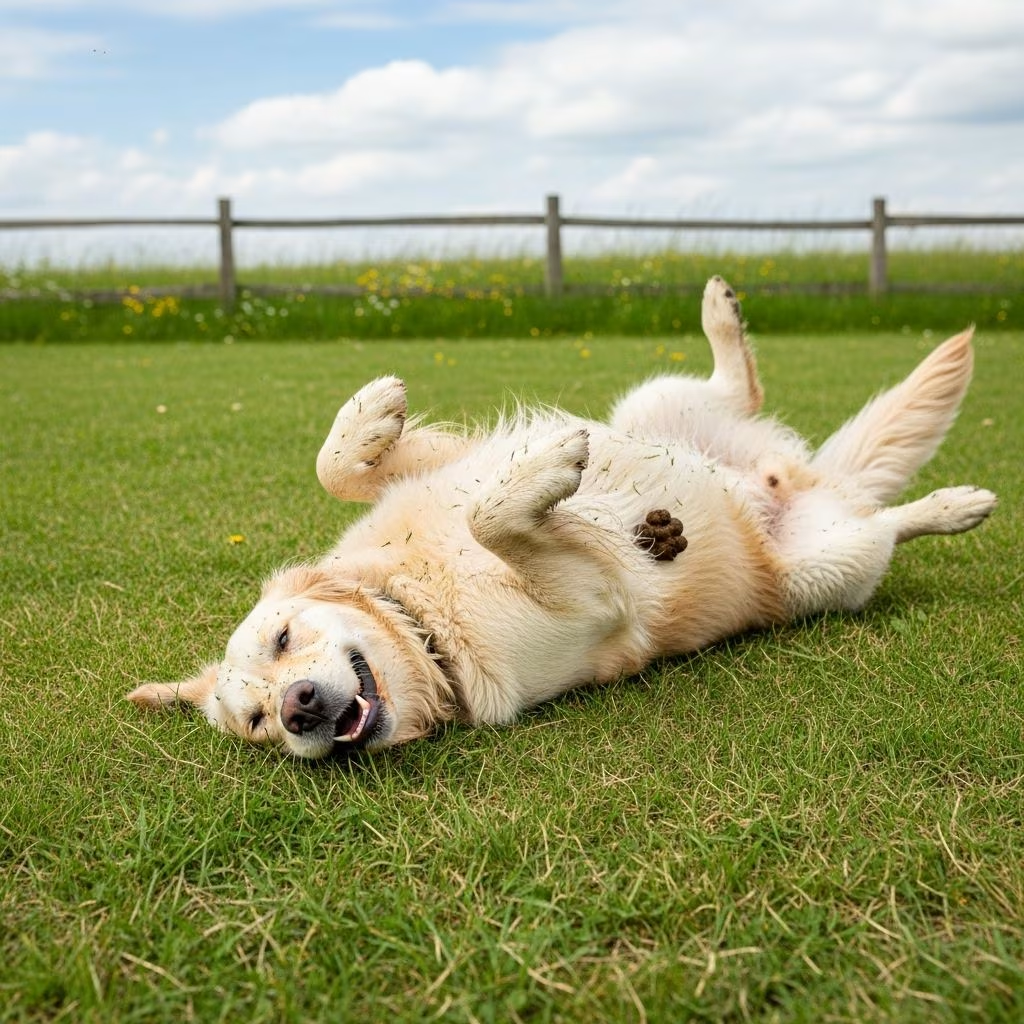
Dogs have a notorious habit of rolling in feces, turning pleasant outings into cleanup nightmares for their owners. This behavior, known as scent rolling, stems from deep-rooted instincts inherited from wild ancestors like wolves, serving purposes such as communication, camouflage, and sensory enjoyment.
The Instinctual Drive Behind Scent Rolling
At its core, a dog’s affinity for rolling in strong-smelling substances like poop reflects their exceptional sense of smell, which is thousands of times more powerful than humans’. When a dog encounters feces—whether from other dogs, wildlife, or even carrion—they often sniff intently before dropping to the ground, rubbing their face, shoulders, and body into the material. This isn’t random; it’s a calculated action driven by evolutionary biology.
Wild canids, including wolves, exhibit similar patterns to blend into environments or share information with their pack. Domestic dogs retain these traits despite centuries of selective breeding, making scent rolling a normal, if perplexing, part of canine life. Understanding this helps owners respond with patience rather than frustration.
Primary Theories Explaining the Behavior
Experts propose several interconnected reasons for why dogs engage in this smelly ritual. Each theory highlights how dogs use their olfactory world to navigate social and survival challenges.
Pack Communication and Storytelling
One leading explanation is that dogs roll in poop to ‘tell a story’ to their pack mates. By coating themselves in foreign scents, they bring back environmental intelligence—like the presence of prey or territory markers—allowing others to investigate via sniffing. Researchers at facilities like Wolf Park in Indiana have observed wolves following scent-rolled pack members back to sources, aiding group hunting strategies.
This act functions like a natural bulletin board, where the rolling dog advertises discoveries: ‘I found this fox scat here!’ In modern settings, your solitary dog might still perform it to share news with you or neighborhood pups.
Camouflage for Hunting or Avoidance
Another theory posits that rolling masks a dog’s own odor, making them stealthier hunters or less conspicuous in a pack hierarchy. In the wild, overpowering personal scent with feces could prevent prey from detecting a predator early, giving hunters an edge. Dr. Amy Attas, a New York-based veterinarian, notes that this disguises signals like sex, dominance, or hormonal status from rivals.
However, studies challenge pure camouflage: wolves prefer novel, strong odors like perfume over familiar ones, suggesting it’s not just about blending in but acquiring standout scents.
Scent Marking and Territory Claims
Conversely, dogs might roll to deposit their own oils and gland secretions onto the poop, effectively tagging the spot as visited. This mirrors urine marking, signaling to others: ‘This area has my imprint’. It’s a dual-purpose action—acquiring and leaving scent simultaneously.
Sensory Pleasure and Stress Relief
Not all motivations are survival-based. Some dogs roll purely because it feels rewarding, providing tactile and olfactory stimulation akin to a spa day for their nose. Others may use it as a stress outlet, similar to human fidgeting, especially in anxious or understimulated pets.
What Triggers Scent Rolling Episodes
Dogs don’t roll indiscriminately; specific cues often precede the drop-and-roll:
- Intense sniffing: They investigate the scent source thoroughly before committing.
- Head shaking or pawing: A prelude to full-body wriggling.
- Environmental factors: Fresh feces, dead animals, urine, decaying matter, or even mulch and garbage.
- Individual traits: Breeds like hounds or terriers with superior noses are more prone, as are high-energy or bored dogs.
Puppies and young dogs experiment more, while seniors might do it less due to mobility.
Health Risks Associated with Poop Rolling
Beyond the mess, this habit poses real dangers. Feces harbor parasites like roundworms, hookworms, and giardia; bacteria such as salmonella; and even toxic chemicals from herbicides in animal waste. Skin irritation, infections, or gastrointestinal issues can follow if ingested during self-grooming.
| Risk Factor | Potential Issue | Prevention Note |
|---|---|---|
| Parasites | Intestinal worms, protozoa | Regular deworming, fecal tests |
| Bacteria | Salmonella, E. coli infections | Immediate bathing post-exposure |
| Chemicals | Pesticide poisoning | Avoid treated areas |
| Allergies | Skin rashes, hot spots | Monitor for itching |
Veterinarians recommend vet checks after incidents, especially for unvaccinated or immunocompromised dogs.
Effective Strategies to Prevent Poop Rolling
While instinctual, this behavior can be managed through proactive training and management. Consistency is key.
Training Techniques
- Preemptive distraction: Spot potential poop from afar and redirect with toys, commands like ‘leave it,’ or high-value treats.
- Positive reinforcement: Reward ignoring scents lavishly to build new habits.
- Leash control: Keep dogs on short leashes in high-risk areas like parks or trails.
- Desensitization: Gradually expose to mild scents paired with rewards, consulting a trainer for severe cases.
Lifestyle Adjustments
- Provide ample exercise and mental stimulation to reduce boredom-driven rolling.
- Use belly bands or cone collars as temporary aids for chronic rollers.
- Avoid off-leash freedom in fecally rich zones until trained.
For persistent issues, consult a certified behaviorist; rule out medical causes like allergies first.
Breed and Age Considerations
Not all dogs roll equally. Scent hounds (Beagles, Bloodhounds) and herders top the list due to olfactory prowess and energy. Puppies explore curiously, while adults refine it socially. Spaying/neutering may slightly reduce but not eliminate it.
Cleaning Up After a Roll
Act fast: Hose off outdoors, then use dog-safe shampoo (diluted Dawn for emergencies). Dry thoroughly to prevent hotspots. Multiple baths may be needed for embedded odors.
FAQs
Is rolling in poop normal for dogs?
Yes, it’s a widespread, instinctual behavior seen in domestic and wild canids alike.
Why do some dogs roll more than others?
Individual personality, breed scent sensitivity, and lack of stimulation contribute.
Can I train my dog out of it completely?
Not always fully, but management reduces occurrences significantly with consistent training.
What if my dog rolls in their own poop?
Rare, but signals possible stress, boredom, or health issues—vet consult advised.
Does diet affect this behavior?
Indirectly; poor diet worsens stool appeal, but instincts dominate.
Final Thoughts on Embracing Canine Quirks
While gross to us, poop rolling reveals dogs’ rich inner world. By decoding it, owners foster stronger bonds through understanding and targeted interventions. Patience turns puzzlement into partnership.
References
- Why Do Dogs Roll In Poop? Is This Normal? — Chewy. 2023. https://www.chewy.com/education/dog/training-and-behavior/why-do-dogs-roll-in-poop
- Why dogs roll in poop and how to stop it — Hanne Grice. 2022-10-15. https://www.hannegrice.com/walk-the-dog/why-dogs-roll-in-poop-and-how-to-stop-it/
- Why Do Dogs Roll in Smelly Stuff? — American Kennel Club. 2024-05-20. https://www.akc.org/expert-advice/lifestyle/why-dogs-roll-smelly-stuff/
- Why Do Dogs Roll in Poop? — PetMD. 2023-11-10. https://www.petmd.com/dog/behavior/why-do-dogs-roll-poop
- Why Do Dogs Roll in Poop (& Other Smelly Things)? — Hill’s Pet. 2024. https://www.hillspet.com/dog-care/behavior-appearance/why-do-dogs-roll-in-poop



