

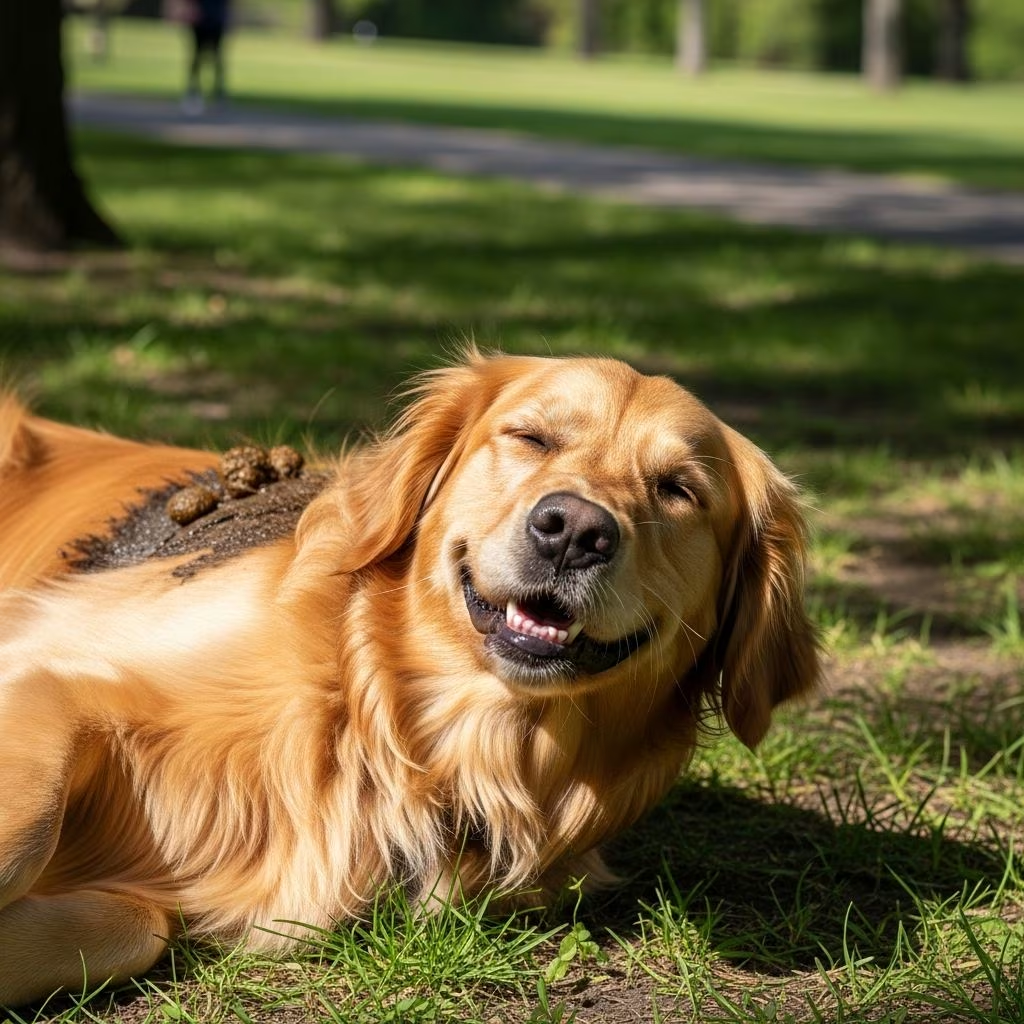
Dogs rolling in feces is a widespread and perplexing behavior that catches many pet owners off guard. This action, often called scent rolling, involves dogs rubbing their bodies against strong-smelling substances like animal droppings. Far from being random mischief, it stems from deep-rooted instincts passed down from wild ancestors such as wolves.
The Instinctive Drive Behind Scent Rolling
At its core, a dog’s urge to roll in poop traces back to survival mechanisms in the wild. Wolves and feral dogs used this tactic to interact with their environment in ways that aided hunting, evasion, and social bonding. Modern dogs, despite living domesticated lives, retain these behaviors because they are hardwired into their genetics.
Experts note that dogs do not limit this habit to feces alone. They frequently target other pungent items, including dead animals, spoiled food, urine from wildlife, and even decaying vegetation. This broad preference highlights how dogs perceive strong odors as valuable rather than repulsive.
Evolutionary Theories Explaining the Behavior
Several well-supported theories explain why dogs engage in this smelly pastime. Each points to adaptive advantages that once helped canines thrive in the wild.
Masking Personal Scent for Stealth Hunting
One leading explanation is scent camouflage during hunts. Predatory ancestors needed to approach prey undetected, as many animals rely heavily on smell to sense danger. By covering their natural odor with the feces or scents of prey species, dogs could creep closer without alerting dinner to their presence.
Veterinarians observe that this works particularly well with herbivore droppings, which blend into natural surroundings. Domestic dogs may not hunt for meals, but the impulse persists as an echo of their predatory heritage.
Evading Predators Through Camouflage
Beyond hunting prey, rolling in poop could help dogs hide from larger threats. In pack dynamics, blending scents made individuals less conspicuous, reducing aggression from dominant members or external predators. This camouflage theory suggests dogs roll to appear less threatening within social hierarchies.
Sharing Discoveries with the Pack
Another compelling idea involves communication. Dogs might roll to “advertise” a find, transferring the scent back to the pack. Fellow canines then sniff the roller and track the odor to potential food sources or territorial markers. Observations at wolf sanctuaries support this, showing packmates investigating rolled-upon scents.
Enhancing Social Bonds and Territory
Rolling also serves as a marking tool. Dogs possess scent glands near their faces, shoulders, and tails. When they wriggle in poop, they deposit their own aroma onto it, signaling “I was here” to others. This territorial claim reinforces pack boundaries and social status.
Health Risks Associated with Poop Rolling
While generally harmless for healthy dogs, rolling in feces carries potential downsides. Fecal matter from wildlife or other animals may harbor parasites like roundworms, hookworms, or giardia. Ingesting bits during the roll—or later during grooming—can lead to infections transmissible to pets and humans.
Bacterial contaminants pose additional risks, potentially causing gastrointestinal upset or skin irritations. Owners of immunocompromised dogs or young puppies should be especially vigilant. Frequent offenders may also develop allergies from repeated exposure to irritants in the mess.
| Risk Factor | Potential Issue | Prevention Tip |
|---|---|---|
| Parasites | Roundworms, Giardia | Regular deworming, avoid wildlife areas |
| Bacteria | GI upset, skin rash | Immediate bathing post-exposure |
| Toxins | Fertilizer/chemical residue | Leash walks in treated lawns |
Recognizing the Signs of Scent Rolling
Dogs exhibit predictable patterns before rolling. They start with intense sniffing, followed by head shaking or tilting. The body then drops sideways, shoulders first, as they twist and rub vigorously. This sequence distinguishes purposeful rolling from playful flopping.
- Sniffing phase: Nose to ground, tail wagging excitedly.
- Positioning: Head drops, one shoulder hits the scent.
- Rolling action: Full body wriggle, often with blissful expressions.
- Post-roll: Shaking off debris, proud prancing.
Practical Strategies to Discourage the Habit
Preventing poop rolling requires proactive training and management. Start with supervision during walks, using a short leash to intervene early.
Training Commands for Quick Response
Teach a reliable “leave it” cue using positive reinforcement. Reward with high-value treats when your dog ignores tempting scents. Practice in low-distraction areas first, gradually increasing challenges.
- Hold a treat in one hand, show a less desirable item in the other.
- Say “leave it” as dog approaches the undesirable.
- Mark and reward looking away.
- Progress to outdoor distractions.
Management During Walks and Play
Opt for routes away from high-poop zones like parks with off-leash dogs or rural fields. Carry pet-safe wipes for spot cleaning, and have a bath routine ready at home. Enrichment toys at home can redirect sensory-seeking energy.
Post-Incident Cleanup Best Practices
If rolling occurs, avoid scolding to prevent anxiety. Gently rinse with water first, then use dog-safe shampoo. Focus on paws, belly, and ears. Dry thoroughly to prevent hotspots.
When Rolling Signals Underlying Issues
Occasional rolling is normal, but excessive or sudden changes warrant a vet check. It could indicate allergies causing itchy skin, nutritional deficiencies altering scent preferences, or compulsive disorders from boredom/stress. Monitor for accompanying symptoms like scratching, diarrhea, or lethargy.
Breed predispositions exist; hounds with powerful noses (e.g., Beagles, Bloodhounds) roll more due to heightened olfactory drives.
FAQs About Dogs Rolling in Poop
Is it normal for all dogs to roll in poop?
Yes, it’s a common instinct across breeds, though scent hounds do it most frequently.
Can I train my dog to stop completely?
Complete elimination is challenging due to instincts, but consistent training reduces occurrences significantly.
What if my dog rolls in their own poop?
Rare and often linked to stress or lack of stimulation; consult a vet for underlying causes.
Does rolling mean my dog is unhealthy?
Not usually, but pair it with other symptoms for a professional evaluation.
How do I clean my dog after rolling?
Use lukewarm water, mild shampoo, and towels; avoid human products.
Enriching Your Dog’s Life to Minimize Rolling
Channel instincts positively through scent games. Hide treats in boxes, use puzzle feeders, or enroll in nosework classes. Regular exercise and mental stimulation curb boredom-driven rolling. A balanced diet supports skin health, reducing itch-related behaviors.
References
- Why Do Dogs Roll In Poop? Is This Normal? — Chewy.com. 2023. https://www.chewy.com/education/dog/training-and-behavior/why-do-dogs-roll-in-poop
- Why dogs roll in poop and how to stop it — Hanne Grice. 2022-05-15. https://www.hannegrice.com/walk-the-dog/why-dogs-roll-in-poop-and-how-to-stop-it/
- Why Do Dogs Roll in Poop? — Whole Dog Journal. 2024. https://www.whole-dog-journal.com/behavior/why-do-dogs-roll-in-poop/
- Why Do Dogs Roll in Poop (and Other Strange Things)? — Diamond Pet. 2023-08-10. https://www.diamondpet.com/blog/behavior/why-do-dogs-roll-in-poop/
- Why Do Dogs Roll in Poop? — PetMD. 2024-01-22. https://www.petmd.com/dog/behavior/why-do-dogs-roll-poop
- Why Do Dogs Roll in Poop (& Other Smelly Things)? — Hill’s Pet. 2023. https://www.hillspet.com/dog-care/behavior-appearance/why-do-dogs-roll-in-poop



