

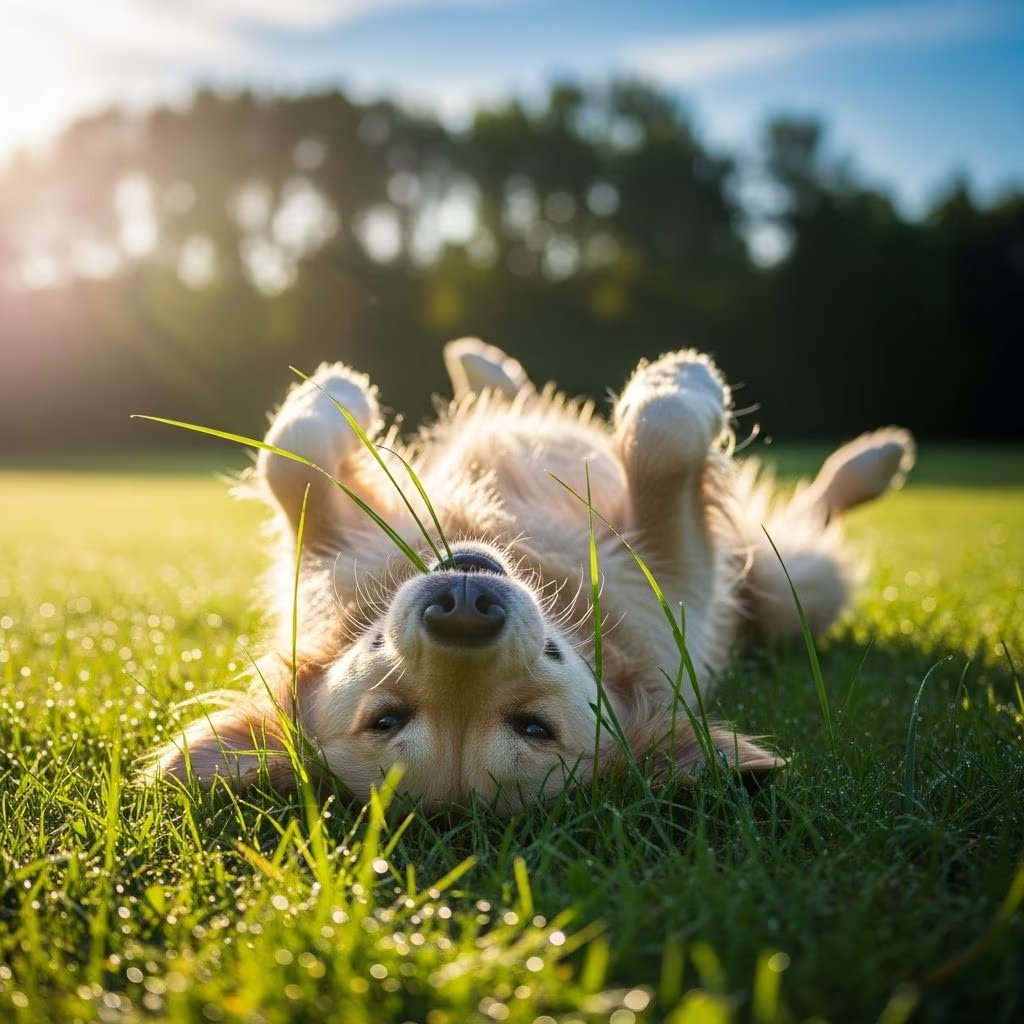
Dogs rolling exuberantly in grass is a sight familiar to every pet owner, often eliciting laughter or a quick reach for the shampoo. This behavior stems primarily from deep-rooted instincts tied to their ancestral wolves, where masking scents aided survival, alongside modern sensory pleasures and physical comforts.
The Evolutionary Roots of Grass Rolling
At its core, a dog’s tendency to flop onto grassy patches traces back to predatory heritage. Wild canines like wolves roll to camouflage their own odor with environmental smells, allowing stealthy approaches to prey. Domestic dogs retain this trait, even without hunting needs.
Research on wolves indicates they prefer novel or altered scents, suggesting an innate drive to gather unfamiliar aromas. This could explain why freshly bathed dogs immediately seek grass—to overwrite artificial fragrances with natural ones they find appealing.
Scent-Driven Motivations
Dogs possess olfactory systems far superior to humans, detecting scents up to 50 times more acutely depending on breed. Grass often carries traces of other animals’ urine, feces, or passage, which dogs roll in to acquire or mask scents.
- Camouflage for Hunting: By adopting prey-area smells, ancestral dogs avoided detection.
- Scent Acquisition: Rolling picks up appealing odors, like fox scat, perceived as “perfume” by canine noses.
- Post-Bath Reset: Grooming products clash with a dog’s natural scent preference, prompting grass rolls to restore familiarity.
Territorial and Communicative Aspects
Beyond acquisition, rolling serves social functions. Dogs deposit their own scents via glands on cheeks, neck, and body, marking territory or signaling presence to pack mates—including human families.
In multi-dog households, one pup’s roll often triggers others, fostering group bonds through mimicry. This communal activity reinforces social hierarchies and shares environmental intel.
Physical Sensations and Relief
Not all rolls are olfactory; many provide tactile benefits. Grass offers a natural massage, exfoliating skin, stimulating circulation, and relieving itches.
| Physical Benefit | Description |
|---|---|
| Massage Effect | Grass blades rub against coat and skin, promoting blood flow and coat health. |
| Scratching Aid | Targets hard-to-reach spots for flea relief or general itchiness. |
| Cooling Mechanism | Moist grass lowers body temperature on warm days. |
Happy, relaxed dogs often roll during play, akin to a spontaneous spa session, simply because it feels good.
When Rolling Signals Joy or Play
Frequent, enthusiastic rolls accompanied by wagging tails and zoomies indicate pure delight. This is especially common in meadows or after exciting events, embodying canine exuberance.
Owners note patterns: post-walk rolls claim territory, while excited flops celebrate freedom. Such behaviors affirm environmental comfort and emotional well-being.
Potential Health and Safety Concerns
While typically harmless, excessive or targeted rolling warrants observation. It may signal allergies, fleas, infections, or irritations causing itchiness.
- Skin Issues: Redness, bumps, or persistent scratching alongside rolls suggest veterinary check.
- Chemical Exposure: Treated lawns with pesticides or herbicides pose toxicity risks; prevent access.
- Parasite Hotspots: Grass harbors fleas/ticks; maintain preventatives.
- Unsanitary Rolls: Dead animals or feces increase infection risk; leash in risky areas.
Monitor body language: joyful rolls feature play bows and bright eyes; distress shows frantic motions or vocalizing.
Tips for Managing Grass-Rolling Dogs
Embrace the instinct safely:
- Choose Safe Areas: Opt for untreated, clean yards or parks.
- Grooming Choices: Select mild, unscented shampoos to minimize post-bath rolls.
- Health Checks: Routine vet visits catch underlying issues early.
- Training Redirects: Teach “leave it” for hazardous spots without curbing fun.
- Enrichment Toys: Scent games satisfy instincts indoors.
For odor control post-roll, enzymatic cleaners outperform regular shampoos on animal scents.
Breed and Individual Variations
Breeds with stronger hunting lineages—like hounds or terriers—roll more avidly due to heightened scent drives. Age plays a role: puppies explore via rolls, seniors seek itch relief.
Individual personality influences frequency; bold, curious dogs indulge often, while reserved ones rarely do.
FAQs
Is it normal for dogs to roll in grass?
Yes, it’s a standard, instinctual behavior linked to scent, play, and comfort for most dogs.
Why does my dog roll in grass right after a bath?
Baths introduce foreign scents; dogs roll to reclaim their natural odor.
Should I stop my dog from rolling in grass?
Not unless excessive or in unsafe areas; it’s healthy expression unless indicating problems.
Can grass rolling harm my dog?
Rarely, but watch for chemicals, parasites, or allergies prompting itch-based rolls.
Do all dogs roll in grass?
No, but it’s widespread; scent hounds lead, influenced by genetics and environment.
Conclusion
Dogs rolling in grass blends ancient survival tactics with everyday joys, offering owners glimpses into their pet’s wild side. By understanding these drivers—from scent wars to blissful scratches—owners foster safer, happier canine lives. Observe patterns, prioritize health, and enjoy the spectacle.
References
- Why Do Dogs Roll In The Grass? — Whole Dog Journal. 2023. https://www.whole-dog-journal.com/behavior/why-do-dogs-roll-in-the-grass/
- Why Do Dogs Roll in Grass? Here’s Reasons Why — Zigzag.dog. 2024. https://zigzag.dog/en-us/blog/puppy-behavior/understanding-your-puppy/why-do-dogs-roll-in-grass/
- Why Do Dogs Roll in the Grass? — Bracpet.com. 2023. https://bracpet.com/blog/dogs-roll-in-the-grass/
- Why Do Dogs Roll in the Grass? — PetMD (Hanie Elfenbein, DVM). 2024-05-15. https://www.petmd.com/dog/behavior/why-do-dogs-roll-grass



