

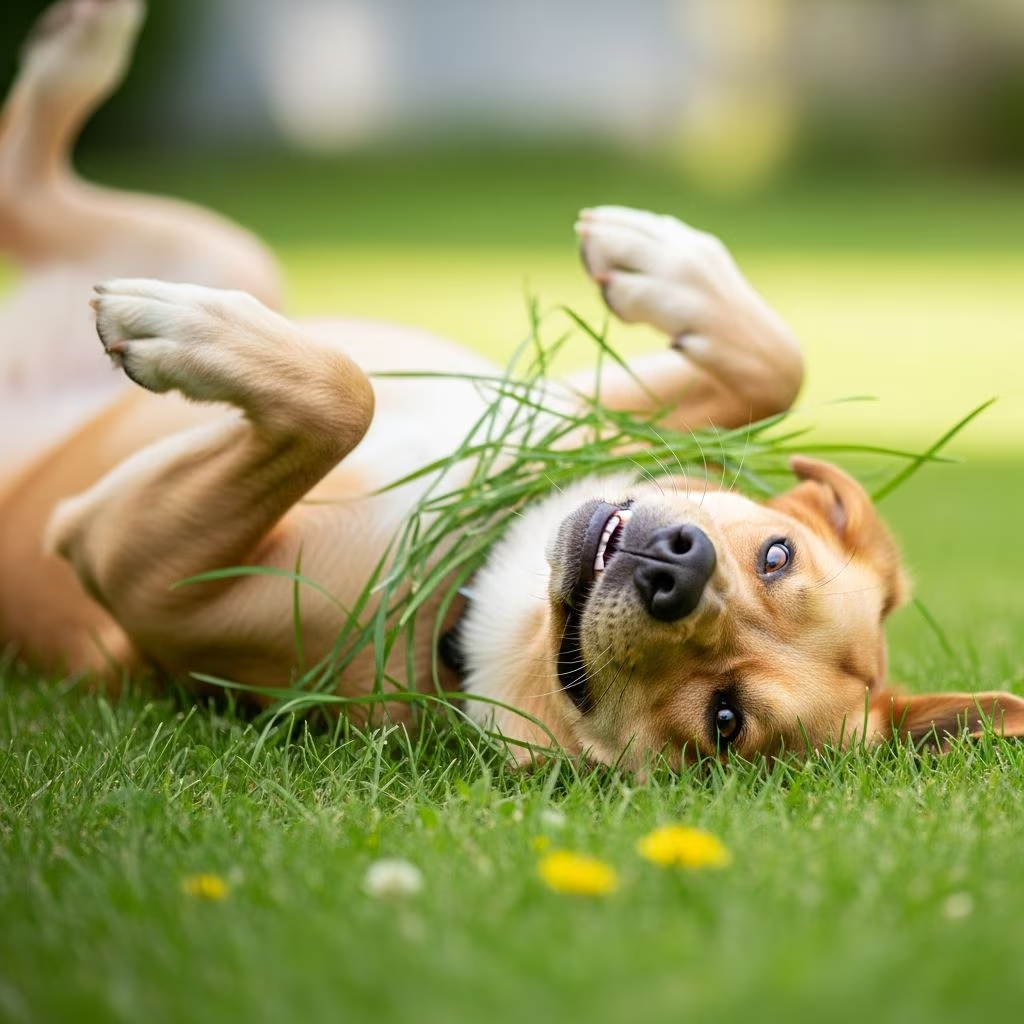
Dogs rolling enthusiastically in grass is a sight every pet owner recognizes. This playful behavior stems from deep-rooted instincts, sensory delights, and practical needs, making it a normal part of canine life.
The Evolutionary Roots of Grass Rolling
Modern dogs descend from wolves, carrying forward survival-driven habits. One primary motivation for rolling in grass traces back to wild ancestors who used environmental scents for camouflage during hunts. By rubbing against grass infused with other animals’ odors, wolves masked their own scent to approach prey undetected. Domestic dogs retain this impulse, even without hunting needs.
Conversely, some rolling serves to deposit a dog’s personal scent. Glands in their cheeks, paws, and tail base release unique markers when they roll, signaling territory to other dogs. This dual-purpose action—hiding or claiming—highlights how grass becomes a canvas for olfactory communication.
Sensory Pleasures That Drive the Roll
Beyond instincts, dogs relish the physical sensations of grass against their bodies. The cool, soft blades provide a natural massage, easing muscle tension and stimulating blood flow for a healthier coat. Imagine it as a full-body spa session, complete with exfoliation from the textured surface.
On warm days, grass’s moisture evaporates against a dog’s skin, offering instant cooling since dogs primarily pant to regulate temperature. This is especially vital for breeds with thick fur, turning a simple roll into effective thermoregulation.
Relief from Itches and Discomforts
Frequently, rolling targets hard-to-reach itches. Fleas, allergies, or dry skin prompt dogs to use grass as a giant scratch pad. If a dog paws at the ground before rolling or repeats the action obsessively, it may signal underlying issues like parasites or environmental sensitivities.
Post-bath rolling often occurs because dogs dislike artificial grooming scents, preferring their natural aroma. This behavior reaffirms their comfort in their own skin, literally rolling away unfamiliar smells.
Common Triggers for Itchy Rolling
- Allergies: Pollen, food, or contact dermatitis causing persistent irritation.
- Parasites: Fleas, ticks, or mites burrowing into the skin.
- Dry Skin: From low humidity or poor diet, leading to flakiness.
- Chemical Exposure: Lawn treatments irritating sensitive paws and fur.
The Social and Playful Side
Observe multi-dog households: one starts rolling, and others join, mimicking for social bonding. This imitation strengthens pack dynamics, turning individual fun into group play. Excited wiggles and tail wags during rolls indicate pure joy, akin to zoomies or fetch enthusiasm.
Grass rolling also attracts dogs to novel smells left by passing wildlife. Strong odors from fox scat, dead animals, or urine draw them in, amplifying the appeal despite owners’ dismay. While smelly, this ties into their superior sense of smell, processing scents 40 times more powerfully than humans.
Health Considerations and Red Flags
Most grass rolling poses no harm, but vigilance prevents problems. Excessive rolling paired with bald patches, redness, or lethargy warrants a vet visit to exclude infections, allergies, or pain. Ingesting toxic grass treated with pesticides risks poisoning, so inspect yards regularly.
Dogs rolling in feces or carrion may ingest bacteria, leading to gastrointestinal upset. Discourage this through training while allowing safe rolling elsewhere.
| Normal Rolling Signs | Concerning Signs |
|---|---|
| Relaxed body, happy expression, occasional occurrence | Obsessive repetition, skin lesions, whining |
| Follows play or bath, targets clean grass | Avoids certain areas, excessive licking/scratching |
| Part of social play with other dogs | Isolated behavior, weight loss, or diarrhea |
Training Tips to Manage Rolling
Channel the instinct positively without stifling joy. Designate a chemical-free yard patch for rolling, rewarding use with treats. For unwanted spots, use “leave it” cues followed by redirection to toys.
Positive reinforcement works best: praise calm behavior post-roll, avoiding punishment that creates anxiety. Leash walks in risky areas limit exposure to foul substances.
Breed-Specific Tendencies
Certain breeds roll more due to coat type or heritage. Terriers and hounds, bred for hunting, exhibit strong scent-masking drives. Long-haired breeds like Golden Retrievers seek itch relief, while short-coated ones like Labs enjoy the cool sensation.
- Hunting Breeds: Beagles, Foxhounds – camouflage instinct dominant.
- Fluffy Coats: Huskies, Sheepdogs – cooling and grooming aid.
- Active Play Dogs: Border Collies – social and fun outlet.
Enhancing Your Dog’s Outdoor Experience
Create an ideal rolling zone with native, untreated grass. Add dog-safe herbs like chamomile for soothing scents. Regular grooming reduces itch triggers, minimizing excessive rolls.
Monitor seasonal changes: spring pollen heightens allergies, summer heat boosts cooling rolls. Adjust playtime accordingly for comfort.
Frequently Asked Questions
Is grass rolling harmful to my dog?
Generally no, but watch for pesticides, parasites, or over-rolling indicating health issues. Vet checks ensure safety.
Why does my dog roll more after grooming?
They dislike shampoo scents, rolling to restore natural odor and scratch post-wash itchiness.
Can I stop my dog from rolling in poop?
Yes, with consistent “leave it” training, leashes in wild areas, and distraction rewards.
Does rolling mean my dog has fleas?
Not always; it could be fun or instinct. Persistent cases need flea checks and vet advice.
Is this behavior breed-specific?
It appears across breeds but intensifies in those with hunting ancestry or thick fur.
Conclusion: Embrace the Roll Responsibly
Grass rolling enriches your dog’s life, blending instinct, play, and relief. Understand it to foster joy while addressing concerns promptly for a thriving pet.
References
- Why Do Dogs Roll in Grass? Here’s Reasons Why — Zigzag.dog. 2023. https://zigzag.dog/en-us/blog/puppy-behavior/understanding-your-puppy/why-do-dogs-roll-in-grass/
- Why Do Dogs Roll in the Grass? — Broad Ripple Animal Clinic. 2023. https://bracpet.com/blog/dogs-roll-in-the-grass/



