

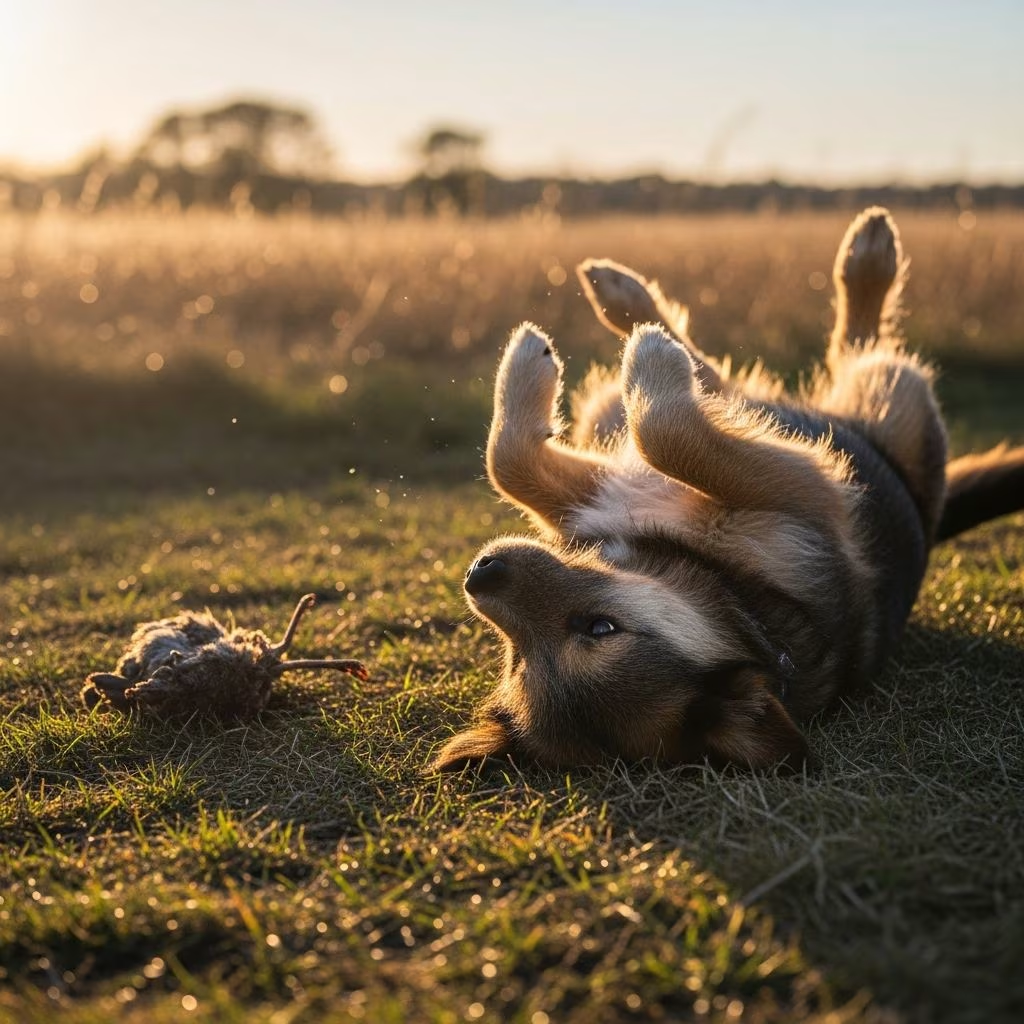
Dogs frequently engage in the perplexing habit of rolling on deceased animals or their remains, a behavior that shocks many owners but stems from deep-rooted instincts. This action, often targeting the face, neck, and back, allows dogs to coat themselves in potent odors from carrion. While distasteful to humans, it serves purposes linked to survival, communication, and enjoyment in canines.
The Evolutionary Roots of Scent Rolling
At the core of this behavior lies the ancestry shared with wolves, foxes, and coyotes. Wild canids roll in strong-smelling substances to mask their own scent, aiding in stealthy approaches to prey. Domestic dogs retain this trait despite kibble-filled bowls, as instincts persist beyond modern lifestyles.
Studies of wolf packs reveal that younger members often roll on carcasses discovered during hunts, potentially picking up environmental cues without alerting prey. This “self-anointing” helps blend into surroundings, a tactic less necessary today but hardwired in canine brains.
Key Theories Explaining the Behavior
Several hypotheses explain why dogs pursue this smelly pastime. Each draws from observations of wild relatives and domestic patterns:
- Scent Camouflage: Primary theory posits dogs cover their natural odor to stalk prey undetected. Prey animals rely on smell; masking it provides a hunting edge.
- Social Signaling: By carrying carrion scents, dogs inform packmates of discoveries. Other dogs sniff these odors during greetings, learning about food sources or territory.
- Territorial Marking: Rolling deposits the dog’s scent on the find, claiming it and deterring rivals. This reverses absorption, turning the carcass into a personal billboard.
- Pure Enjoyment: Dopamine release from rolling creates pleasure, reinforcing the act regardless of origin. It’s fun, like a canine thrill ride.
Behaviorists note dogs target head and shoulders because these areas are sniffed first in canine interactions, maximizing information exchange.
Health Hazards Linked to Carrion Rolling
While instinctual, this habit exposes dogs to dangers. Decomposing matter harbors pathogens like Clostridium botulinum, Salmonella, and Leptospira, risking botulism, food poisoning, or leptospirosis.
Parasites pose another threat: fleas, ticks, and worms transfer easily from wildlife remains. Rabies from infected animals is rare but serious. Skin contact with maggots or irritants can cause dermatitis, hot spots, or infections.
| Risk Factor | Symptoms to Watch | Immediate Action |
|---|---|---|
| Bacterial Infection | Vomiting, diarrhea, lethargy | Vet visit, hydration support |
| Parasites | Itching, hair loss, worms in stool | De-worming, flea treatment |
| Skin Issues | Redness, sores, odor | Bathe, medicated shampoo |
| Neurological (e.g., Botulism) | Weakness, paralysis | Emergency vet care |
Monitor post-rolling: if symptoms appear within 24-48 hours, consult a vet promptly.
Signs Your Dog is About to Roll
Recognizing precursors helps intervene. Dogs fixate with intense sniffing at a spot, often circling or freezing with ears perked. Tail wagging escalates to playful drops, prioritizing the area over you.
High-drive breeds like hounds or terriers show this most, drawn by superior noses. Puppies experiment more, learning from littermates.
Effective Prevention and Training Strategies
Stopping the behavior requires proactive management. Combine avoidance, distraction, and conditioning for best results.
- Area Avoidance: Scout walks for common carrion spots like roadsides or woods; leash tightly and detour.
- Recall Training: Practice “come” with high-value rewards away from temptations. Use long lines in risky zones.
- Leave It Command: Teach by placing treats under your foot, rewarding ignores. Progress to off-leash cues.
- Distraction Tactics: Toys, balls, or squeakers redirect focus. Praise heavily for engagement.
- Proactive Cues: Spot sniffing? Call name firmly, reward response before rolling starts.
For persistent cases, consult trainers or behaviorists. Positive reinforcement outperforms punishment, preserving trust.
Post-Rolling Cleanup Guide
Inevitable slips demand quick action to neutralize odors and risks:
- Outdoor Rinse: Hose with dog-safe shampoo; focus on face/neck.
- Enzyme Cleaners: Break down proteins in dead smells.
- Vet Wipes: For quick freshens between baths.
- Dry Thoroughly: Prevent chills or hotspots.
Bathe weekly if habitual, using oatmeal-based products for irritated skin.
Related Behaviors and What They Mean
Rolling isn’t isolated. Dogs also roll in feces, garbage, or fish—same instincts apply. Circling before lying mimics ancestor grass-patting for safety.
Excessive rolling signals issues: anxiety, compulsion, or allergies mimicking itch-relief. Rule out medical causes first.
FAQs
Is rolling in dead animals normal for all dogs?
Yes, it’s common across breeds, especially scent hounds, stemming from universal wolf heritage.
Can it make my dog sick?
Potentially; bacteria and parasites lurk in carrion. Watch for GI upset or skin problems.
How do I train my dog to stop?
Use recall, leave-it, and distractions with treats. Consistency is key.
Why the face specifically?
Head/neck scents communicate best, sniffed first by others.
Is punishment effective?
No; it erodes bonds. Reward alternatives instead.
Breed Tendencies and Variations
Some breeds excel at this due to genetics:
- Bloodhounds/Beagles: Elite noses seek odors relentlessly.
- Terriers: Prey drive amplifies rolling on small critters.
- Retrievers: Carry scents like prizes.
- Lap Dogs: Less prone, but instincts remain.
Spay/neuter doesn’t alter; it’s innate.
References
- Why do dogs roll in dead animals? – Gentle Beast Dog Training Blog — Gentle Beast. 2023. https://www.gentlebeast.com/blog/why-do-dogs-roll-in-dead-animals
- Why Does My Dog Roll Around in Dead Things? — American Kennel Club (AKC). 2023-10-01. https://www.akc.org/expert-advice/advice/why-does-my-dog-roll-around-where-something-has-died/
- Why Dogs Roll in Dead Animals in 2025 – Vet-Approved Guide — Ask A Vet (Dr. Duncan Houston BVSc). 2025. https://askavet.com/blogs/dog-behavior-training/why-dogs-roll-in-dead-animals-in-2025-vet-approved-guide-to-instinct-risks-solutions-%F0%9F%90%B6%F0%9F%92%80
- Why Dogs Roll in Dead (or Other Smelly) Things — Earthbath. 2024. https://earthbath.com/blogs/earthbath-blog/dogs-roll-in-smelly-things
- Why do dogs roll in stinky things? — ElleVet Sciences. 2023. https://www.ellevetsciences.com/pet-care/why-do-dogs-roll-in-stinky-things/



