

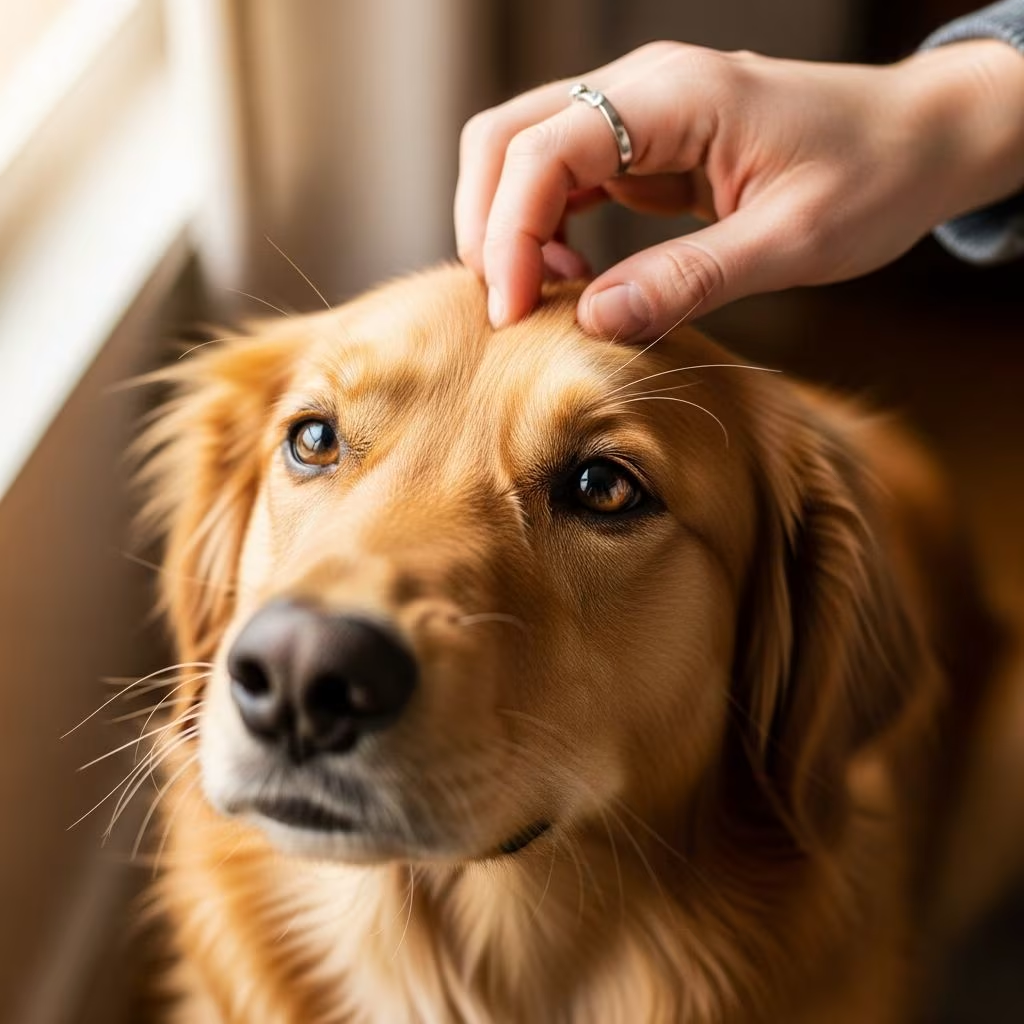
Dogs form deep attachments to specific people based on a combination of early experiences, consistent care, emotional cues, and personality compatibility. This preference emerges from their innate wiring to seek reliable sources of comfort, play, and security in their social world.
The Role of Early Life Experiences in Bonding
Puppies undergo a critical window of development where their brains are highly impressionable, shaping lifelong preferences for certain individuals. This phase, spanning from birth to around six months, is when dogs solidify initial bonds through frequent, positive interactions.
- During this period, caregivers who provide feeding, gentle handling, and exposure to new stimuli often become the primary attachment figure.
- Multiple people interacting positively helps create well-adjusted adults less fixated on one individual.
- Even after this window closes, adult dogs can form new strong bonds, though early imprints carry significant weight.
Research highlights that these formative months influence emotional responses long-term, as puppies learn to associate specific scents, voices, and touches with safety and reward.
Building Bonds Through Daily Attention and Touch
Consistent attention stands out as a cornerstone of favoritism. Dogs gravitate toward those who invest time in play, grooming, and physical closeness, interpreting these as signs of investment in their well-being.
Physical affection, such as petting behind the ears or belly rubs, releases oxytocin in both dog and human, mimicking the bonding hormone in parent-child relationships. Those who regularly engage in these activities foster deeper trust.
| Activity | Impact on Bond |
|---|---|
| Daily walks and play sessions | Strengthens routine and excitement association |
| Frequent cuddles and scratches | Boosts oxytocin and feelings of security |
| Feeding and treat-giving | Creates positive reinforcement links |
Even non-primary caregivers can overtake the top spot if they outpace others in quality interactions, like a family member who prioritizes fetch games over obligatory duties.
Positive Associations: The Power of Good Experiences
Dogs are masters of association, linking people to rewarding outcomes. Anyone who consistently delivers meals, toys, or fun outings earns high status in their emotional hierarchy.
- Scents play a pivotal role; a person’s smell tied to food or comfort triggers instant affinity.
- Treats work best when paired with engagement, not as standalone bribes.
- Avoid negative links, like scolding or rough handling, which can push dogs away regardless of time spent together.
For instance, if a visitor always brings toys or remains calm during storms, the dog may prefer them over a stressed household member.
Matching Energies and Personalities
Compatibility in temperament often determines lasting favoritism. High-energy dogs pair with active owners who match their vigor, while shy pups seek calm, predictable companions.
Dogs mirror human personalities: outgoing canines bond with playful extroverts, and reserved ones with steady introverts. This synergy ensures mutual enjoyment without exhaustion or overwhelm.
Dogs perceive subtle shifts in human demeanor, tone, and posture, choosing those who make them feel understood and safe.
Body language matters immensely; relaxed, inviting postures invite closeness, while tense movements signal caution.
Reading Your Dog’s Signals of Preference
Observant owners spot favoritism through behavioral cues. Enthusiastic greetings, prolonged eye contact, and seeking proximity reveal the chosen one.
- Leaning or pawing: Physical contact-seeking indicates deep comfort.
- Stress relief: Turning to one person during fireworks or vet trips shows ultimate trust.
- Play initiation: Bringing toys specifically to their favorite signals joy association.
In multi-person homes, dogs may distribute affection but designate one for deepest reliance.
How Breed Traits Influence Attachments
Certain breeds exhibit stronger one-person tendencies due to genetics and history. Herding or guarding types often fixate intensely.
| Breed Group | Bonding Style | Examples |
|---|---|---|
| Herding | Intense loyalty to one handler | Border Collie, Australian Shepherd |
| Guarding | Protective single attachments | German Shepherd, Rottweiler |
| Companion | Versatile, affectionate with all | Cavalier King Charles Spaniel, Pug |
While breeds predispose, individual experiences override, allowing even velcro breeds to adapt.
Overcoming Rivalry: Tips to Become the Favorite
If your dog favors another, persistence with positives pays off. Focus on unique interactions rather than competing directly.
- Establish exclusive routines, like morning jogs or puzzle toys only you provide.
- Use calm, upbeat tones to build emotional safety.
- Incorporate training sessions for mental bonding and praise.
- Respect their pace; forcing affection backfires.
Patience is key—many dogs expand their favorites circle with time and equity.
FAQs
Can a dog have multiple favorite people?
Yes, dogs often love several household members but designate one or two for deepest bonds based on roles like playmate or comforter.
Why does my dog prefer strangers sometimes?
Novelty, treats, or low-pressure interactions make visitors appealing; consistency at home usually regains priority.
Does age affect who dogs choose?
Puppies bond quickest early on, but seniors and adults form attachments through current positive reinforcements.
Can negative experiences change a favorite?
Absolutely; punishment or stress erodes trust, prompting shifts to calmer alternatives.
How long to become a dog’s favorite?
Weeks to months, depending on interaction quality and competition from others.
Common Myths About Canine Loyalty
Myth: Treats alone secure favoritism. Treats spark interest, but without engagement, they fade against affectionate rivals.
Myth: Primary feeders always win. Caregiving yields respect, but fun-providers often claim hearts.
Myth: All dogs bond equally to everyone. Personality clashes prevent universal love; matches matter.
References
- Dogs really do have favorite people. Here’s how they decide. — Upworthy. 2023-10-15. https://www.upworthy.com/how-dogs-favorite-person-ex1
- Reasons Your Dog Chose You as Their Favorite Person. — Rover.com. 2024-05-22. https://www.rover.com/blog/dogs-choose-favorite-person/
- How Dogs Choose Their Favorite Person. — YouTube (Animal Behavior Insights). 2023-08-10. https://www.youtube.com/watch?v=7klPd3u4tcM
- Why You’re Not Your Dog’s Favorite Person (And Why That’s …). — Figo Pet Insurance. 2024-02-14. https://figopetinsurance.com/blog/less-loved-pet-parent
- Signs that you’re your dog’s favourite person. — Cobberdogking.com. 2023-11-05. https://www.cobberdogking.com/en/blog/article/your-dog-s-favourite-person



