

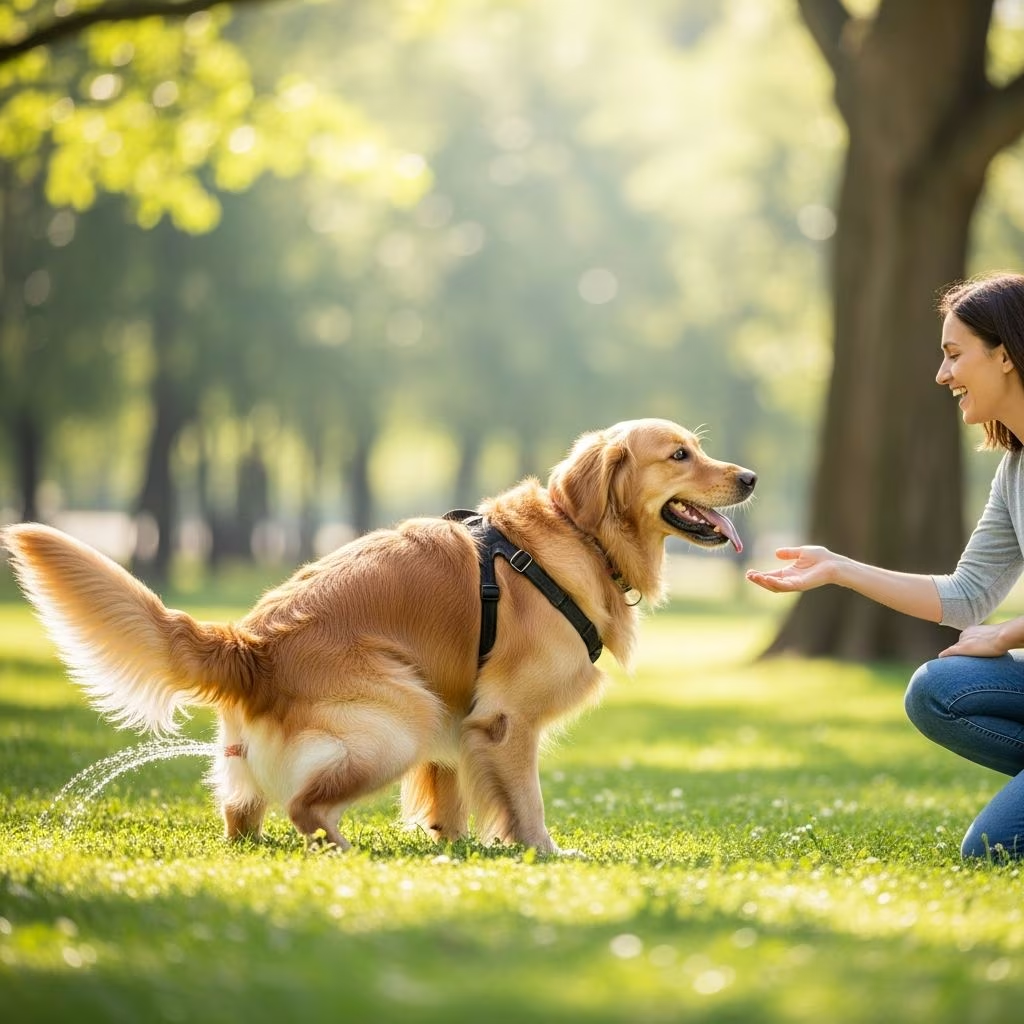
Dogs peeing when excited is a common behavioral issue, particularly in puppies and young dogs, characterized by involuntary urination during moments of high arousal such as greetings or play. This phenomenon, often called excitement urination, stems from an immature nervous system or overstimulation, leading to a loss of bladder control.
What Is Excited Peeing in Dogs?
Excited peeing occurs when a dog releases a small amount of urine involuntarily due to overwhelming joy, enthusiasm, or stimulation. Unlike deliberate urination, this happens while the dog is standing, walking, or even jumping, without assuming a typical squatting or leg-lifting posture. It’s most prevalent in energetic young dogs who haven’t yet developed full bladder control.
According to veterinary behavior experts, the threshold for overstimulation varies by individual dog, influenced by breed, age, and past experiences. Puppies under six months are especially prone because their bladders and emotional regulation are still maturing.
Why Do Dogs Pee When Excited?
Several factors contribute to this behavior, blending physiological immaturity with environmental triggers. Understanding these root causes is essential for effective management.
They’re Young and Not Fully Housetrained
Puppies and adolescent dogs often pee when excited because their bladder muscles are underdeveloped, making it hard to ‘hold it’ during emotional highs. Full maturity typically occurs between 6-12 months, after which many outgrow the issue naturally.
Incomplete housetraining exacerbates this; dogs still learning potty cues may default to elimination when aroused, associating excitement with relief.
Overstimulation from Greetings or Play
High-energy interactions, like enthusiastic greetings with high-pitched voices, direct eye contact, or vigorous petting, can overwhelm a dog’s nervous system. Returning home after an absence or engaging in rough play often triggers leaks as the dog’s body prioritizes excitement over continence.
Signs include tail wagging, body wiggling, whining, or bouncing—classic excitement indicators without fear signals.
Submissive Tendencies or Fear Responses
Not all excited peeing is purely joyful; submissive urination mimics it but arises from anxiety or perceived dominance. Timid dogs, certain breeds like Shelties, or rescues may pee to signal ‘I’m no threat’ when approached assertively.
Key submissive cues: tucked tail, cowering, ear flattening, belly exposure, or head turning away. This differs from pure excitement, where posture is upright and playful.
Other Potential Causes
- Medical Issues: Urinary tract infections, bladder dysfunction, or diabetes can mimic behavioral peeing. Rule these out with a vet visit.
- Marking or Anxiety: Separation anxiety or territorial marking may overlap, especially in adults.
- Conflict Emotions: A mix of excitement and fear, like during scolding, amplifies urination.
How to Tell Excited Peeing from Submissive Urination
Differentiating these is crucial for targeted training. Use this table for quick reference:
| Aspect | Excited Peeing | Submissive Urination |
|---|---|---|
| Triggers | Happy greetings, play, homecomings | Approach by ‘dominant’ person/dog, punishment |
| Body Language | High tail, wagging, upright, playful | Tucked tail, cowering, avoiding eyes |
| Age | Mostly puppies/young dogs | Any age, often timid adults |
| Duration | During peak excitement | Small amounts on cue of threat |
Excited pee lasts as long as the stimulation; submissive is briefer and appeasement-focused.
Should You Worry About Excited Peeing?
Generally, no—especially in puppies where it’s transient and tied to immaturity. Most dogs outgrow it by one year with proper management. Worry if:
- It persists or worsens in adults.
- Sudden onset in older dogs (possible medical cause).
- Accompanied by straining, blood, or frequent urges.
- Large volumes or unrelated to excitement.
Consult a vet first to exclude health issues, then a certified trainer for behavioral cases.
How to Stop Dogs from Peeing When Excited
Positive reinforcement and prevention work best; punishment worsens submission. Strategies include:
Prevent Overstimulation
- Ignore excited greetings: Stand still, turn away until calm, then reward quietly.
- Potty before triggers: Walk before guests arrive or outside greetings.
- Calm entrances: Enter home subdued; no big reunions.
Exercise and Mental Stimulation
Tire your dog daily with walks, fetch, agility, or puzzle toys to lower baseline excitability. A fatigued dog has less energy for leaks.
Training Techniques
- Desensitization: Gradually expose to triggers at low intensity, rewarding calm.
- Commands: Teach ‘sit’ or ‘wait’ before greetings, reinforcing with treats.
- Crate Training: Use for short absences to build bladder control.
For submissive cases, avoid leaning over, direct stares, or rough petting. Let dog approach you.
Timeline for Improvement
Expect 4-8 weeks with consistency. Puppies improve fastest; adults may need professional help if rooted in fear.
When to See a Vet or Behaviorist
Seek professional help if home strategies fail after 1-2 months, or if peeing increases. Vets check for UTIs; certified behaviorists (CPDT-KA, veterinary behaviorists) address root emotions.
Resources: ASPCA, AKC, or local shelters for trainer referrals.
Frequently Asked Questions (FAQs)
Is excited peeing normal in puppies?
Yes, very common due to immature bladder control. Most outgrow it by 6-12 months.
How long does excitement urination last?
Typically during the exciting event; duration matches stimulation intensity.
Why does my dog pee when I pet them?
Often submissive response to feeling overwhelmed. Use slow movements and let them initiate contact.
Can adult dogs get excited peeing?
Yes, but less common. Rule out medical issues first.
Does neutering stop excited peeing?
No direct link; it’s behavioral, not hormonal.
Conclusion: Patience Leads to Progress
Excited peeing is manageable with calm management, exercise, and positivity. Celebrate small wins—your dog will thrive in a supportive home.
References
- My Dog Pees When Excited—Is This Normal? — Chewy. 2023. https://www.chewy.com/education/dog/training-and-behavior/dog-peeing-when-excited
- Why Dogs Pee When Excited or Scared — PetMD (Megan Keller, DVM). 2023-10-15. https://www.petmd.com/dog/behavior/why-dogs-pee-when-excited-or-scared
- Dog Behavior Problems – Submissive, Excitement, and Conflict Urination — VCA Animal Hospitals. 2024. https://vcahospitals.com/know-your-pet/dog-behavior-problems–submissive-excitement-and-conflict-urination
- Submissive and Excitement Urination in Dogs — UC Davis School of Veterinary Medicine. 2022. https://www.vetmed.ucdavis.edu/sites/g/files/dgvnsk491/files/inline-files/Submissive_and_Excitement_Urination_in_Dogs.pdf
- Submissive and Excitement Urination — Animal Humane Society. 2023. https://www.animalhumanesociety.org/resource/submissive-and-excitement-urination
- How to Stop Dog Submissive Urination and Excited Peeing — Best Friends Animal Society. 2024. https://bestfriends.org/pet-care-resources/how-stop-dog-submissive-urination-and-excited-peeing



