

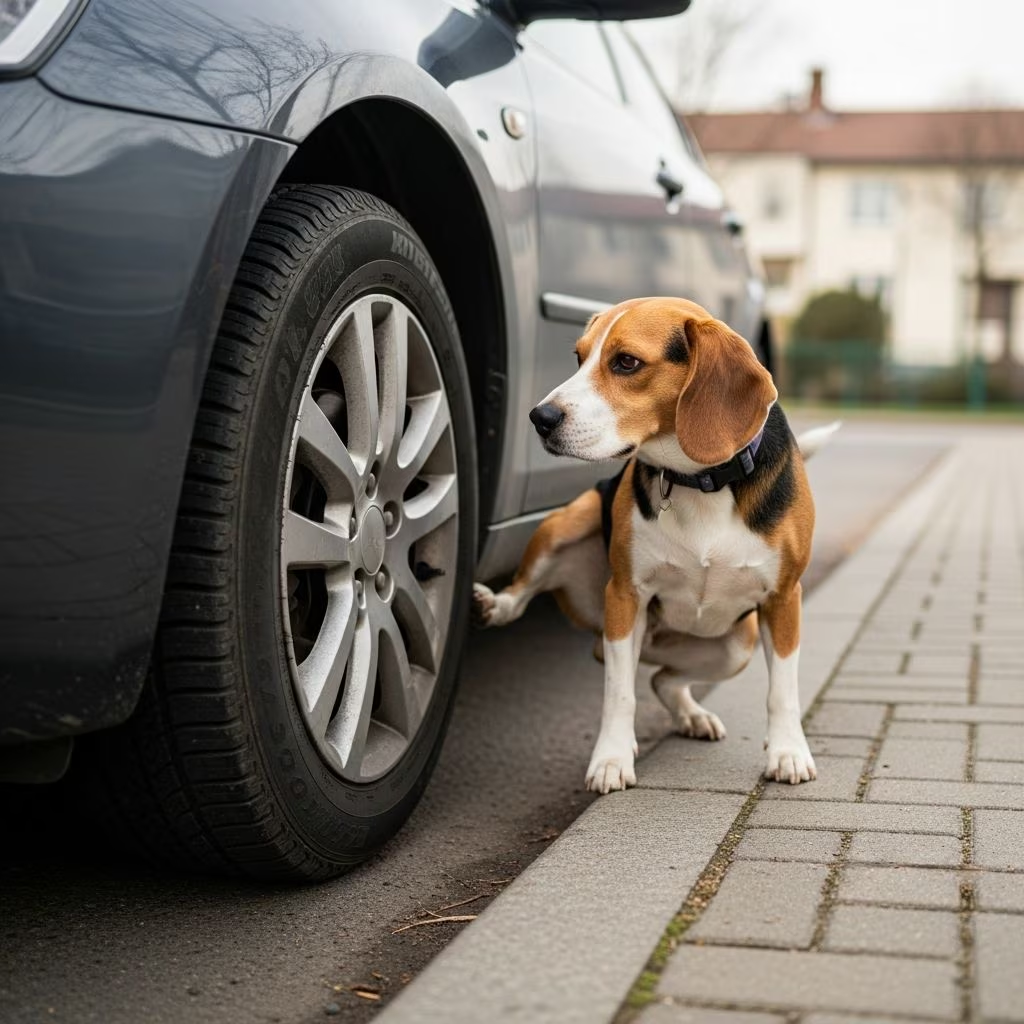
Dogs urinate on tires primarily as a form of territorial scent marking, driven by instincts to communicate presence, status, and boundaries to other canines through pheromones in their urine. This behavior stems from their wild ancestry, where marking vertical surfaces like trees helped spread scents efficiently over wide areas.
The Instinctual Drive Behind Tire Marking
Canine urine marking serves as a sophisticated messaging system. When a dog lifts its leg on a tire, it deposits a small amount of urine rich in pheromones, signaling information about its identity, reproductive status, and social rank to passing dogs. Tires, elevated and porous, mimic natural markers like tree trunks, retaining odors longer than flat ground and amplifying the message.
This habit often intensifies in urban settings where tires cluster in parking lots, offering prime real estate for scent posts. Intact males exhibit this most frequently due to hormonal surges around sexual maturity, typically 6-12 months, though neutered dogs and females participate too, especially during heat cycles.
Key Triggers Prompting Tire Urination
Several environmental and social factors provoke dogs to target tires specifically. Here’s a breakdown:
- Presence of Other Dogs: Spotting or smelling rival scents on a tire compels a dog to overmark, reinforcing its claim in a ongoing olfactory conversation.
- Unfamiliar Locations: In new parks or streets, tires represent neutral ground, prompting preemptive marking for security.
- Household Changes: New pets, visitors, or rearranged furniture can unsettle a dog’s territory sense, leading to outdoor overcompensation on accessible tires.
- Anxiety Signals: Stress from loud noises, separations, or conflicts manifests as urgent marking on prominent objects like vehicle tires near home.
- Social Overstimulation: Encounters with females in heat or competitive play heighten arousal, directing urine toward high-traffic tire zones.
Differentiating Marking from Medical Urination Issues
Not all frequent urination signals behavior; medical conditions mimic marking. Consult a vet to rule out problems via urinalysis or exams. Key distinctions include:
| Aspect | Territorial Marking | Medical House Soiling |
|---|---|---|
| Volume | Small squirts (under 10ml) | Large puddles (full bladder) |
| Posture | Leg lift, quick deposit | Squatting, prolonged |
| Frequency | Targeted spots, often vertical | Random, horizontal surfaces |
| Accompanying Signs | Normal appetite/behavior | Licking genitals, straining, thirst |
Common health culprits include urinary tract infections (UTIs), causing frequent dribbles; diabetes, boosting urine output; kidney issues; bladder stones (prevalent in Dalmatians); and incontinence from age or spine problems.
Health Conditions Mimicking Tire-Targeted Marking
- UTIs: Bacteria inflame the bladder, leading to urgent, low-volume leaks mistaken for marking.
- Endocrine Disorders: Diabetes mellitus increases thirst and urination volume dramatically.
- Kidney Disease: Dilutes urine, prompting more frequent voids.
- Crystalluria: Uric acid crystals irritate the tract, especially in susceptible breeds.
- Senior Incontinence: Weak sphincter muscles cause involuntary drips during excitement or sleep.
Early vet intervention with antibiotics, diet changes, or meds resolves most cases swiftly.
Effective Strategies to Curb Tire Marking
Addressing root causes yields best results. Start with a vet check, then implement behavior mods.
- Spay or Neuter: Reduces marking in 50-60% of cases by curbing hormones, ideal before puberty.
- Clean Thoroughly: Use enzymatic cleaners to erase scents completely, preventing re-triggers.
- Boost Exercise: Daily 30-60 minute walks tire dogs mentally/physically, lowering stress-driven marking.
- Supervised Leash Walks: Interrupt leg lifts with a cheerful “no” and redirect to approved spots.
- Positive Reinforcement: Reward pottying in designated areas with treats/praise to build habits.
Advanced Training Techniques for Persistent Markers
For stubborn cases, layer in these methods:
- Desensitization: Gradually expose to tire-heavy areas at low arousal, rewarding calm behavior.
- Barrier Training: Use belly bands (absorbent wraps) during high-risk outings to discourage without punishment.
- Scent Familiarization: Rub a cloth on your dog’s cheeks (pheromone glands) and apply to tires at home, blending scents.
- Multi-Dog Dynamics: In homes with packs, rotate supervised interactions to minimize rivalry.
- Calming Aids: Pheromone diffusers or vet-prescribed anxiety meds for stress-linked marking.
Preventive Measures for Multi-Pet Households
Homes with multiple dogs amplify competition, targeting shared outdoor tires. Equalize attention, provide individual spaces, and stagger walks to diffuse tensions. Neutering all pets harmonizes hormone levels, slashing incidents.
Urban Challenges and Community Solutions
In apartments or neighborhoods, tires abound, complicating control. Advocate for communal enzymatic sprays on public curbs, walk during off-peak hours, and train a “leave it” cue for tire proximity. Consistency across family members reinforces rules.
Long-Term Management and Monitoring
Track progress in a journal noting triggers, frequency, and responses. If marking persists post-vet clear and training, consult a certified behaviorist. Most dogs improve within weeks with diligence.
Frequently Asked Questions
Will neutering completely stop my dog from peeing on tires?
No guarantee, but it eliminates the issue in about 50-60% of cases by reducing hormonal drives. Combine with training for optimal results.
How do I clean tire scents effectively?
Opt for pet-safe enzymatic cleaners; scrub vigorously and repeat. Avoid ammonia-based products mimicking urine.
Is tire marking dangerous for my dog?
Generally harmless, but rule out UTIs or stones first. Over-marking signals stress worth addressing.
Why do female dogs sometimes lift legs on tires?
Though less common, females mark for territory, especially intact ones in heat or anxious spayed ones mimicking males.
Can diet influence marking behavior?
Indirectly; high-protein diets may intensify scents, but medical diets for crystals/UTIs directly help problematic cases.
References
- Urine Marking in Dogs — WebMD. 2023. https://www.webmd.com/pets/dogs/urine-marking-in-dogs
- Marking in Dogs — PetMD. 2024. https://www.petmd.com/dog/behavior/urine-marking-dogs
- Dog Behavioral Problems: Marking Behavior — VCA Animal Hospitals. 2023. https://vcahospitals.com/know-your-pet/dog-behavior-problems-marking-behavior
- 7 Reasons Dogs Are Marking Their Territory & How To Stop It — Rover.com. 2024. https://www.rover.com/blog/dog-marking-territory/
- Curbing the Issue of Dog Marking — American Kennel Club. 2023. https://www.akc.org/expert-advice/training/curbing-marking/



