

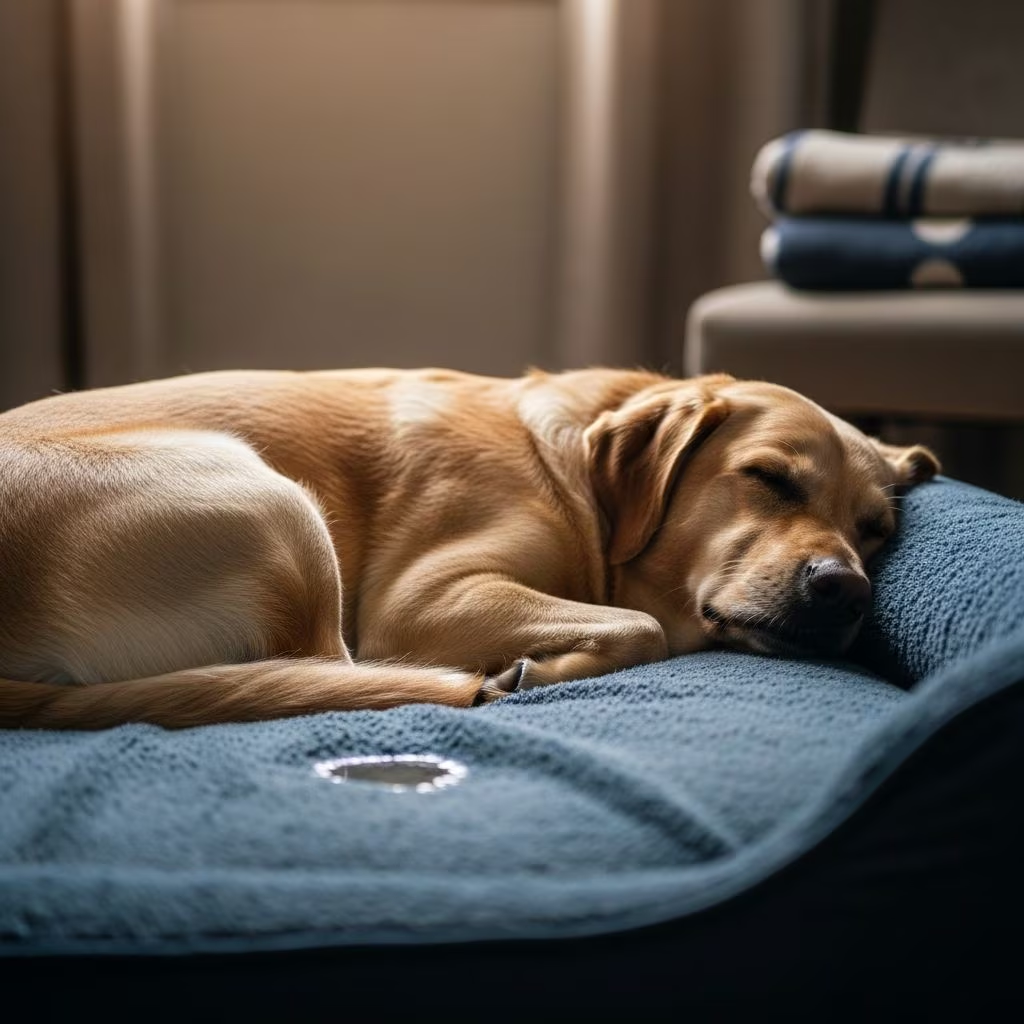
Dogs peeing in their sleep, often called sleep incontinence or bedwetting, signals an involuntary loss of bladder control during rest. This condition affects dogs of various ages but is more prevalent in seniors and spayed females, requiring prompt veterinary evaluation to identify underlying issues like infections or hormonal deficiencies.
Recognizing the Signs of Canine Sleep Incontinence
Spotting urine puddles on your dog’s bedding or floor after naps is the primary indicator. Other clues include damp fur around the hindquarters, frequent licking of the genital area, a persistent urine smell, or reddish-brown stains on light-colored hair. Dogs typically remain unaware, continuing to sleep through the incident, which differentiates it from deliberate accidents.
- Wet spots appearing only during sleep or relaxation
- Irritated skin or redness near the vulva or penis
- Increased grooming of private areas
- No signs of discomfort or awareness during leakage
These symptoms warrant immediate attention, as they may point to treatable conditions rather than behavioral problems.
Primary Medical Causes Behind Sleep Peeing
Several health factors contribute to this issue, ranging from infections to systemic diseases. Understanding these helps in targeted treatment.
Urinary Tract Infections (UTIs)
UTIs inflame the bladder and urethra, impairing the sphincter’s ability to hold urine, especially during deep sleep. Bacteria cause frequent urges, cloudy or strong-smelling urine, straining, and genital licking. Antibiotics typically resolve infections quickly, restoring control.
Hormonal Imbalances in Spayed Females
Spaying removes estrogen-producing ovaries, weakening the urethral sphincter over time—a condition known as Urethral Sphincter Mechanism Incompetence (USMI) or spay incontinence. Affecting 3-20% of spayed females aged 2+, it leads to passive leakage when relaxed. Hormone supplements like estriol often manage it effectively, though side effects like vulvar swelling may occur.
Age-Related Bladder Weakness
Senior dogs experience muscle atrophy in the bladder and sphincter, reducing control. Combined with decreased mobility, this results in nighttime leaks. Frequent potty breaks and supportive care help mitigate symptoms.
Systemic Diseases Causing Excess Urine
Conditions like diabetes mellitus increase thirst and urine production, overwhelming the bladder during sleep. Kidney disease similarly causes polydipsia (excessive drinking) and weakness, leading to accidents. Symptoms include lethargy, weight loss despite hunger, and disorientation. Bloodwork confirms these diagnoses.
Other Contributors: Stones, Prostate Issues, and Neurological Problems
Bladder stones irritate the lining, prompting leaks; prostate enlargement in intact males obstructs flow. Spinal injuries or degeneration disrupt nerve signals to the bladder, causing overflow incontinence. Imaging and urinalysis detect these.
How Veterinarians Diagnose the Problem
A thorough exam starts with history-taking: age, spay/neuter status, diet, and symptom onset. Key tests include:
| Test | Purpose |
|---|---|
| Urinalysis | Detects infections, crystals, glucose, or protein |
| Urine Culture | Identifies specific bacteria for targeted antibiotics |
| Bloodwork | Checks kidney function, blood sugar, and hormones |
| Ultrasound/X-rays | Visualizes stones, tumors, or prostate issues |
| Neurological Exam | Assesses spinal cord function |
Early diagnosis prevents complications like chronic kidney damage.
Treatment Options for Managing Incontinence
Tailored therapies address root causes, improving quality of life.
- Medications: Antibiotics for UTIs; phenylpropanolamine or estriol for USMI; insulin for diabetes.
- Hormone Therapy: Restores sphincter tone in spayed dogs.
- Dietary Changes: Low-protein for kidney disease; urinary health formulas to reduce stones.
- Surgery: Rare, for stones or tumors; collagen injections for sphincter support.
Monitor response closely, as some drugs require lifelong use.
Practical Home Management Strategies
While awaiting vet results or alongside treatment, these steps minimize messes:
- Use waterproof bed covers and frequent washing.
- Provide dog diapers or belly bands for containment.
- Schedule last potty break before bed and mid-night if needed.
- Employ belly bands for males; absorbent pads for females.
- Maintain ideal weight to reduce abdominal pressure on the bladder.
These tools maintain hygiene and comfort without punishment, as the issue is medical.
Preventive Measures for Long-Term Bladder Health
Proactive care reduces risks:
- Ensure ample fresh water but monitor intake.
- Feed bladder-supportive diets with cranberries or probiotics.
- Regular vet checkups, especially post-spay or for seniors.
- Encourage daily exercise for muscle tone.
- Delay spaying until skeletal maturity if breed-prone.
Holistic approaches like acupuncture show promise in some cases.
When to Seek Emergency Care
Rush to the vet if accompanied by vomiting, blood in urine, collapse, or sudden polyuria. These signal acute issues like stones or renal failure.
FAQs on Dogs Peeing in Sleep
Q: Is it normal for puppies to pee in sleep?
A: Rare; usually signals infection or parasites. Consult a vet.
Q: Can diet fix incontinence?
A: Supports treatment but doesn’t cure underlying diseases.
Q: How effective are diapers long-term?
A: Great for management; combine with meds for best results.
Q: Does neutering males cause this?
A: Less common than in females, but prostate issues can arise in intact males.
Q: What’s the prognosis?
A: Excellent with treatment; most dogs regain control and live comfortably.
Conclusion: A Manageable Condition with Proper Care
Sleep peeing in dogs stems from diverse causes but responds well to diagnosis and intervention. By acting swiftly, you ensure your pet’s comfort and prevent secondary issues like skin infections. Regular monitoring and vet partnerships keep tails wagging dry.
References
- Why is my dog peeing in his sleep? — WagWalking. 2023. https://wagwalking.com/symptom/why-is-my-dog-peeing-in-his-sleep
- Older Dog Peeing in Sleep: Common Causes and Fixes — Woofz. 2024. https://www.woofz.com/blog/senior-dog-peeing-in-sleep/
- Why Is My Dog Peeing in Their Sleep? — ElleVet Sciences. 2023. https://www.ellevetsciences.com/blog/dog-pees-in-sleep/
- Dog Peeing in Sleep — Whole Dog Journal. 2024. https://www.whole-dog-journal.com/health/dog-peeing-in-sleep/
- Dog Bedwetting: Why Does My Dog Pee In Their Sleep? — Paw Origins. 2024. https://paworigins.com/blogs/vet-blogs/dog-bedwetting-why-does-my-dog-pee-in-their-sleep
- Dog Incontinence At Night: Why Dogs Pee in Their Sleep & What to Do — Walkin’ Pets. 2023. https://walkinpets.com/blogs/blog/dog-incontinence-at-night
- Urinary Incontinence (Urethral Incontinence) in Dogs — VCA Animal Hospitals. 2024. https://vcahospitals.com/know-your-pet/urethral-incontinence-in-dogs



