
Why Are My Dog’s Paws Swollen? Causes & Treatment
Discover common causes of swollen dog paws and learn effective treatment strategies to keep your pet comfortable and healthy.
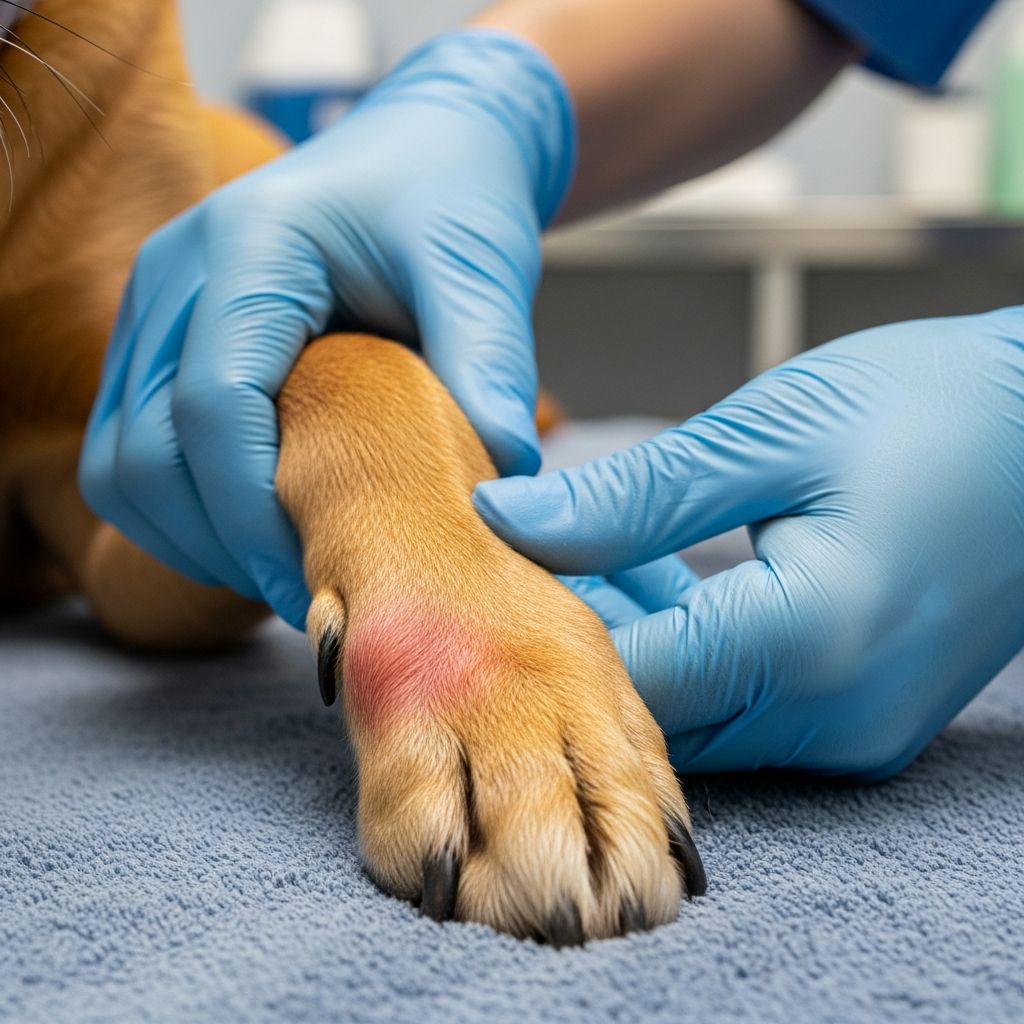
Why Are My Dog’s Paws Swollen? Understanding Common Causes and Solutions
Swollen paws in dogs are a common concern that can indicate various underlying health issues or environmental factors. As a pet owner, noticing your dog’s paws are swollen should prompt investigation into the cause, as paws are highly sensitive areas that play a crucial role in your dog’s mobility and comfort. Understanding the reasons behind paw swelling is essential for providing appropriate care and preventing complications.
Dog paws contain numerous nerve endings and blood vessels, making them particularly susceptible to injury, infection, and irritation. When your dog’s paws swell, it’s often a sign that something requires attention. The swelling may be mild and resolve on its own, or it could indicate a serious condition requiring veterinary intervention. Early identification and proper treatment are vital to ensure your furry friend’s continued comfort and health.
Common Causes of Swollen Dog Paws
Foreign Objects and Trauma
One of the most frequent causes of swollen paws is a foreign object becoming lodged between the paw pads or toes. Thorns, splinters, small stones, or debris can penetrate the sensitive skin and cause localized swelling and irritation. Additionally, broken toenails or fractured claws can lead to paw swelling and significant discomfort.
Puncture wounds from stepping on sharp objects are another common source of paw trauma. These injuries can become infected if not properly cleaned and treated. If your dog has been limping or favoring a particular paw, carefully inspect the affected area for any visible objects or wounds that might explain the swelling.
Infections
Bacterial and fungal infections represent serious causes of swollen dog paws that require prompt veterinary attention. When an infection is present, the affected paw typically appears hot to the touch and may display redness or increased irritation alongside the swelling.
Bacterial infections can develop following a puncture wound or when bacteria enter through damaged skin. Fungal infections, while potentially more contagious, may be transferred through environmental exposure to fungal spores. Both infection types manifest with inflammation and swelling, though fungal infections tend to be associated more with itching than pain. The symptoms of bacterial infections include:
- Inflammation and visible swelling
- Redness of the affected area
- Heat radiating from the paw
- Visible pain or sensitivity
Without treatment, infections can spread and cause systemic complications, making veterinary care essential when infection is suspected.
Allergies and Allergic Reactions
Allergies are among the most prevalent causes of swollen paws in dogs. Environmental allergens such as pollen and dust mites, combined with food allergies, can trigger allergic reactions that manifest as inflamed and swollen paw pads. Dogs with allergies often engage in excessive licking and chewing of their feet, which can further aggravate the condition and introduce secondary infections.
When investigating whether allergies are responsible for your dog’s paw swelling, consult with your veterinarian to identify the specific allergen. Treatment options may include antihistamines or, in severe cases, allergy shots to provide relief from the swelling and associated itching.
Insect Bites and Stings
Insect bites and stings from fleas, ticks, bees, or wasps can cause significant paw swelling and irritation. These reactions may be localized to a single paw or affect multiple areas depending on where the insect bite occurred. Some dogs experience severe allergic reactions to insect stings, which can result in excessive swelling and require immediate veterinary attention.
If you notice your dog has been stung or bitten, applying a cold compress to the affected area can help reduce swelling and provide relief. However, if your dog exhibits symptoms of an allergic reaction such as difficulty breathing or extreme swelling, seek veterinary care immediately.
Environmental Factors
Environmental conditions can significantly contribute to paw swelling. Hot pavement, particularly during summer months, can cause thermal burns to the sensitive paw pad tissue. These burns lead to inflammation and swelling as the body responds to tissue damage. Prolonged contact with excessively hot surfaces damages the paw pads and may result in redness, blisters, and pain.
Additionally, chemical exposure on pavement, pesticides, or salt used for de-icing during winter can irritate the paws and cause swelling. Dogs with extended exposure to these environmental hazards face increased risk of severe injuries requiring prompt veterinary care.
Underlying Medical Conditions
Various underlying medical problems can manifest as swollen paws. Arthritis affects the joints in your dog’s paws, causing pain, inflammation, and sometimes swelling. If your dog has arthritis, you may notice limping on one or more paws, particularly after rest periods.
Other serious medical conditions that can cause paw swelling include:
- Tumors (both cancerous and benign growths)
- Diabetes and related complications
- Inflammatory diseases such as lupus
- Toxin exposure or poisoning
- Ligament or bone injuries
These conditions require professional veterinary diagnosis and treatment to address the underlying cause rather than just the symptoms.
Signs and Symptoms to Watch For
Visible Physical Changes
When examining your dog’s paws, look for several key indicators of swelling. The affected paw will appear noticeably larger than normal, with swelling that may affect the entire paw or be concentrated in specific areas such as individual toes, the paw pads, or the space between the toes. Redness and inflammation often accompany the swelling, resulting from increased blood flow and inflammatory response to the underlying cause.
Behavioral Changes
Dogs experiencing paw swelling typically exhibit behavioral changes that indicate discomfort. Limping or lameness is a primary sign—your dog may favor the unaffected paws and avoid putting weight on the swollen paw due to pain. You might also notice your dog constantly licking or chewing at the affected paw, which can further worsen the condition and introduce secondary infections.
When to Seek Veterinary Care
Any sign of limping, favoring a leg, or hobbling warrants investigation. Attention to both the top and underside of the paws is fundamental when assessing any form of lameness. If you observe an obvious lesion, the swelling doesn’t quickly disappear, or your dog continues to favor the paw after initial home treatment, contact your veterinarian for further evaluation. Veterinary attention is almost always appropriate in these cases.
Immediate Care and First Aid
Initial Assessment
When you notice your dog’s paw is swollen, begin by carefully examining the affected area. Check between the pads and toes for any objects caught in the foot, and inspect for signs of insect stings or puncture wounds, even though these can sometimes be difficult to locate. Examine the dog’s leg to ensure no constricting material like string or hair is present, as this can easily cause swelling.
Object Removal and Cleaning
If you identify a trapped object such as a splinter, carefully remove it using sterilized tweezers. After removal, wash the paw thoroughly with warm, soapy water to prevent infection. This simple intervention can often resolve swelling caused by foreign objects within a few days.
Epsom Salt Soaks
Soaking the paw in an Epsom salt solution is beneficial regardless of the underlying cause. Ten minutes in comfortably hot water (in a tub or basin) with Epsom salts dissolved within typically provides excellent short-term relief from swelling. This soothing treatment can reduce inflammation and provide comfort to your dog while you await further assessment or treatment.
Cold Compress Application
For insect bites or acute injuries, applying a cold compress to the affected area can decrease swelling and alleviate discomfort. This is particularly effective immediately following an injury or sting, as cold reduces inflammation and numbs pain.
Treatment Options Based on Cause
Treatment for swollen paw pads varies significantly depending on the underlying cause. Understanding the specific reason for your dog’s paw swelling enables your veterinarian to recommend the most appropriate treatment approach.
| Cause | Primary Treatment Approach | Additional Care |
|---|---|---|
| Foreign Object/Splinter | Removal and area cleaning | Monitor for infection |
| Bacterial Infection | Antibiotics (oral or topical) | Soaking and bandaging |
| Fungal Infection | Antifungal medication | Environmental decontamination |
| Allergies | Antihistamines or allergy shots | Allergen avoidance |
| Arthritis | Anti-inflammatory drugs | Pain management and rest |
| Insect Bite/Sting | Cold compress and pain relief | Antihistamines if allergic reaction |
| Tumor | Surgical intervention | Possible chemotherapy or radiation |
| Diabetes | Blood sugar management | Insulin therapy and diet |
| Poisoning/Toxin | Emergency veterinary care | Specific antidote if available |
| Inflammatory Disease | Immunosuppressive therapy | Long-term management and monitoring |
Healing Timeline for Swollen Paws
The healing time for swollen dog paws varies considerably depending on the underlying cause, severity of the condition, and treatment provided. Understanding realistic recovery timeframes helps you monitor your dog’s progress and know when additional veterinary consultation is necessary.
Mild Cases: When swelling results from minor issues like splinters or mild allergic irritation, healing typically occurs within a few days to a week. With appropriate treatment including paw cleaning, cold compresses, prescribed medications, and rest, your dog should show significant improvement. For these minor cases, home care often proves sufficient.
Moderate Cases: Insect bites, minor infections that respond well to antibiotics, and mild allergic reactions may require one to two weeks for complete healing. Consistent veterinary-directed treatment and home care are essential during this period.
Severe Cases: Infections requiring extended antibiotic courses, arthritis, autoimmune disorders, or traumatic injuries may take several weeks to months for complete resolution. In these situations, following your veterinarian’s recommended treatment plan precisely becomes critical. This may involve oral medications, topical ointments, bandaging, and sometimes surgical intervention. Tumors or other serious conditions require specialized treatment that extends the healing timeline considerably.
Distinguishing Mild from Severe Swelling
Mild Swelling Characteristics: Mild cases involve minor paw swelling, typically caused by splinters or minor irritation, without accompanying signs of heat, redness, or significant pain. Your dog may still use the paw relatively normally, though perhaps with slight favoring. The swelling may be barely noticeable or limited to one paw pad or toe.
Severe Swelling Characteristics: Severe cases present with pronounced swelling, noticeable redness, warmth to the touch, and clear signs of pain or pronounced limping. Your dog may refuse to bear weight on the affected paw or show obvious behavioral changes. Sudden or severe swelling, especially accompanied by limping or inflammation, requires prompt veterinary attention to rule out infections or serious underlying conditions.
Preventing Swollen Paws
While not all paw swelling can be prevented, several strategies reduce the risk of many common causes. Regularly inspect your dog’s paws for foreign objects, maintaining proper paw hygiene through regular cleaning and occasional trimming of excessive fur between toes. During hot weather, avoid walking your dog on hot pavement during peak heat hours—early morning or evening walks are preferable. Protect paws from chemical exposure and maintain current flea and tick prevention to reduce insect-related irritation.
Frequently Asked Questions
Q: When should I take my dog to the vet for swollen paws?
A: Seek veterinary care if the swelling persists beyond a few days, if you notice signs of infection (heat, redness, pus), if your dog is limping significantly, or if the swelling is severe. Any sudden or unexplained swelling warrants professional evaluation.
Q: Can I treat my dog’s swollen paws at home?
A: Minor swelling from splinters or mild irritation can often be managed at home with cleaning, Epsom salt soaks, and rest. However, if the swelling persists, worsens, or is accompanied by other symptoms, veterinary consultation is necessary.
Q: How can I prevent my dog from licking their swollen paws?
A: Use an Elizabethan collar (cone) to prevent your dog from accessing the affected paw. This prevents further irritation and secondary infection while the paw heals.
Q: Are certain dog breeds more prone to swollen paws?
A: Dogs with allergies or autoimmune conditions may be predisposed to paw swelling. Additionally, large breed dogs may experience more paw trauma simply due to their size and activity level.
Q: What is the purpose of paw pads?
A: Paw pads provide traction for walking and act as shock absorbers for the bones, tendons, and ligaments of the limb, protecting these structures from impact injuries during normal movement.
Conclusion
Swollen paws in dogs require careful attention and appropriate intervention. Whether caused by foreign objects, infections, allergies, environmental factors, or underlying medical conditions, understanding the potential causes enables you to take informed action. While minor swelling may resolve with home care, more serious cases demand professional veterinary evaluation and treatment. By monitoring your dog’s paws regularly, recognizing warning signs, and seeking timely veterinary care when needed, you can help ensure your dog’s paws remain healthy, comfortable, and pain-free throughout their life.
References
- Why Is My Dog’s Paw Pad Swollen? — Richmond Veterinary Clinic. 2024. https://rvetclinic.com/why-is-my-dogs-paw-pad-swollen/
- Swollen Paws in Dogs Treatments — PetMD. 2024. https://www.petmd.com/dog/emergency/accidents-injuries/e_dg_swollen_paws
- 10 Reasons Your Dogs Paws are Swollen — VO Vets. 2024. https://vovets.com/blog/swollen-dog-paws/
- Why Do Dogs and Cats Have Paw Pads? — Vetstreet. 2024. https://www.vetstreet.com/our-pet-experts/whats-the-deal-with-paw-pads
Similar Articles








Read full bio of medha deb




