

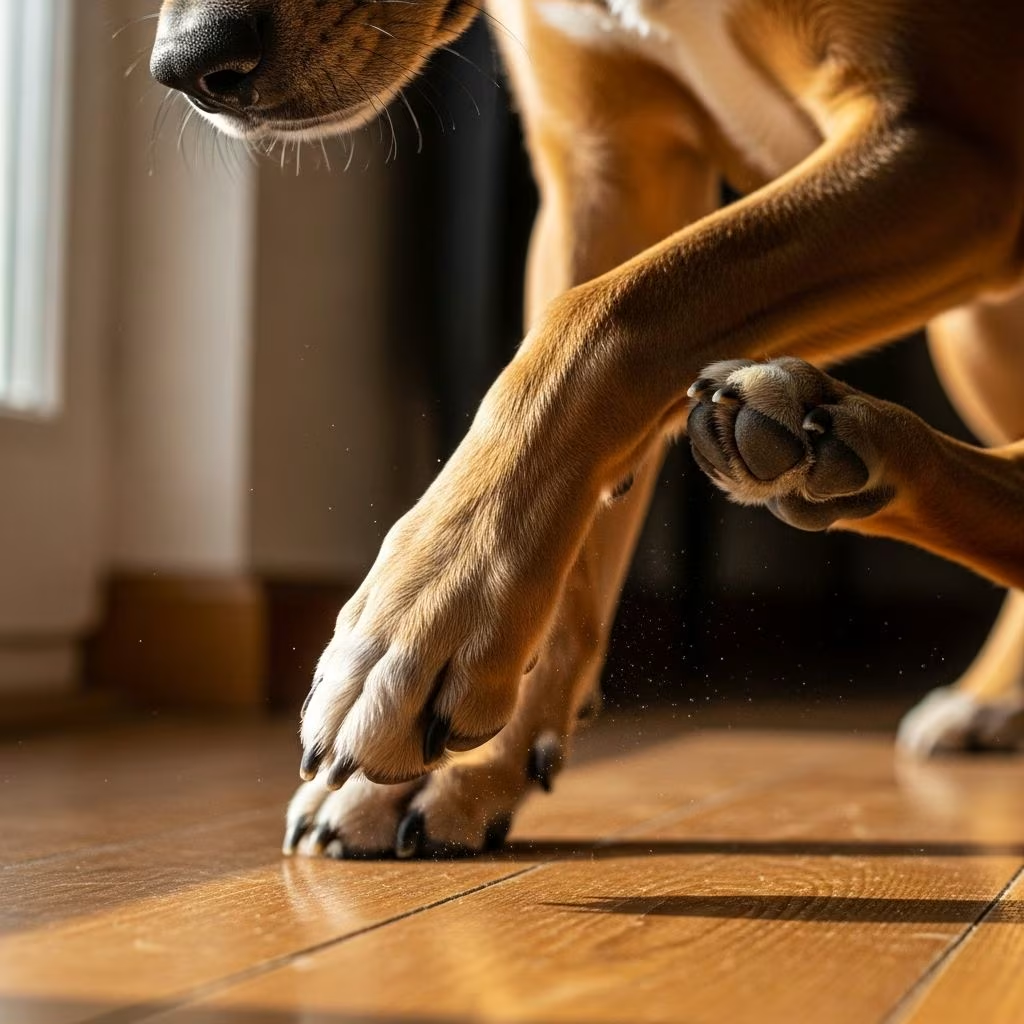
Dogs frequently engage in pawing and scratching actions, which can signal normal instincts or underlying issues requiring attention. These behaviors range from playful digging to persistent itching that disrupts daily life. Understanding the triggers helps owners respond appropriately, ensuring their pet’s well-being.
Normal Instinctive Pawing and Scratching Behaviors
Many pawing actions stem from a dog’s innate drives, evolved over thousands of years. When dogs scratch the ground after eliminating, they activate scent glands in their paws, dispersing pheromones to mark territory or signal to other dogs. This scraping motion visually and olfactorily claims the area, often accompanied by a satisfied posture.
Playful pawing, such as digging at blankets or carpets, mimics hunting or nesting instincts. Breeds like terriers excel at this due to their earth-working heritage. Posture shaking or paw shakes after interactions reset a dog’s tension, similar to a human sigh of relief, occurring after naps, play, or stress.
- Territorial marking: Ground pawing post-bathroom breaks spreads scent.
- Play and exploration: Digging uncovers hidden ‘prey’ or creates comfy spots.
- Stress release: Shaking off dry fur eases muscle tension.
Medical Reasons for Excessive Scratching and Pawing
Persistent scratching often indicates health problems. Parasites top the list: fleas cause intense itching, leading to ‘hot spots’—red, moist skin patches from nonstop licking or chewing. Ticks and mites, sometimes invisible, provoke similar reactions, especially on ears, paws, and tail.
Allergies affect up to 10-15% of dogs, triggered by food proteins (often beef or chicken, not grains), pollen, mold, or contact irritants like cleaners. Symptoms include paw licking, ear infections, and bald patches from rubbing.
Dry skin from low-fat diets, harsh weather, or bathing exacerbates itching. Hormonal issues, like hypothyroidism or Cushing’s disease, thin the skin, inviting infections and compulsive grooming. Pain from injuries, arthritis, or foreign objects (thorns in pads) prompts targeted pawing.
| Cause | Symptoms | Affected Areas |
|---|---|---|
| Parasites | Intense itch, flea dirt, hot spots | Paws, base of tail, belly |
| Allergies | Red skin, ear issues, licking | Paws, face, groin |
| Dry Skin | Flaky coat, mild scratching | Back, sides |
| Hormonal | Hair loss, infections | Symmetrical bald spots |
| Pain/Injury | Limping, focused chewing | Joints, paws |
Behavioral and Psychological Factors
Boredom or anxiety manifests as repetitive pawing, akin to human nail-biting. Dogs in understimulating environments or facing changes (new home, separation) develop compulsive habits. This can escalate to acral lick dermatitis, where paws become raw from licking.
Insufficient exercise fuels frustration, turning pawing into a stress outlet. High-energy breeds like Labs or Huskies paw excessively without outlets. Fear during thunderstorms or fireworks prompts digging for ‘safety’.
How to Diagnose the Problem
Observe patterns: When does scratching peak? After meals (food allergy)? Outdoors (environmental)? Check skin for fleas (comb test), redness, or odor. Track duration and intensity—occasional is normal; hours-long demands vet care.
Vets use skin scrapes for mites, blood tests for hormones/allergies, and elimination diets (8-12 weeks, novel proteins like duck). Rule out pain via exams or X-rays.
Effective Treatments and Home Remedies
Treatment targets the root. For parasites, vet-recommended topicals/orals kill fleas/ticks; treat home (vacuum, wash bedding) and all pets.
Allergy diets swap common proteins; omega-3 supplements soothe skin. Meds like antihistamines, steroids (short-term), or apoquel reduce itch. Hot spots need clipping, cleaning, and antibiotics.
Behavioral fixes: Increase walks (30-60 min daily), puzzle toys, training. Anxiety aids include thunder shirts or pheromone diffusers. Cone collars prevent worsening licks.
- Daily grooming: Brush to distribute oils, check paws.
- Diet tweaks: Add fish oil for coat health.
- Enrichment: Rotate toys, scent games.
Preventing Future Issues
Yearly flea preventives, hypoallergenic shampoos, and balanced diets (vet-formulated) minimize risks. Monitor weight to avoid joint strain. Socialize early to curb anxiety. Regular vet checkups catch issues early.
For instinctive pawing, provide dig pits (sandboxes) or frozen kongs to redirect.
Frequently Asked Questions (FAQs)
Why does my dog paw the ground after pooping?
This instinctive marking uses paw scent glands to claim territory and cover waste smells.
Is constant paw licking always allergies?
No, it could be parasites, pain, or boredom; vet diagnosis is key.
How long before vet for scratching?
If over 2 weeks, skin changes, or distress, see vet promptly.
Can diet fix my dog’s itching?
Yes, for food allergies; trial novel proteins under vet guidance.
Do all dogs scratch the ground?
Most do post-elimination, but intensity varies by breed and personality.
References
- Dogs and Compulsive Scratching, Licking, and Chewing — WebMD. 2023. https://www.webmd.com/pets/dogs/dogs-and-compulsive-scratching-licking-and-chewing
- Three Strange Dog Behaviors Explained: Shaking, Ground Scratching, and Trembling — New Life K9s. 2023. https://www.newlifek9s.org/post/three-strange-dog-behaviors-explained-shaking-ground-scratching-and-trembling



