

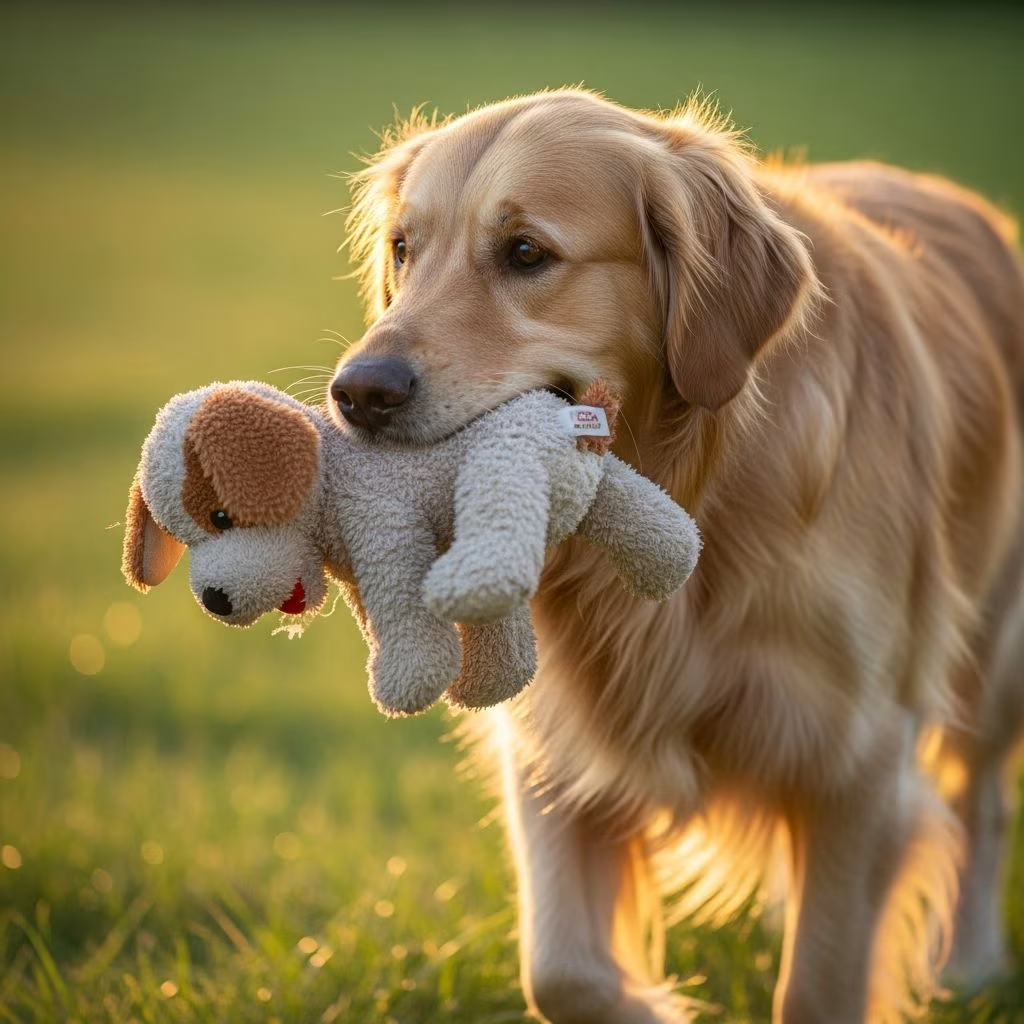
Dogs often display remarkably tender behaviors toward their toys, gently carrying them, lying protectively over them, or even \”feeding\” them from their bowls. This nurturing mimics how mother dogs care for their litters, stemming from deep-seated instincts and emotional needs.
The Instinctual Roots of Toy Nurturing
At the heart of this behavior lies a dog’s evolutionary programming. Breeds like retrievers and herding dogs show strong predispositions to carry and guard objects, echoing ancestral tasks such as fetching game or herding livestock. Female dogs, in particular, may channel maternal instincts onto plush toys, treating them as stand-ins for absent puppies.
Research highlights how spayed or unbred females can still exhibit these urges. A toy’s soft texture and size often trigger protective responses, leading dogs to nestle them close during rest or play. This isn’t mere play; it’s a fulfillment of biological drives that ensure species survival.
Emotional Comfort and Security
Toys serve as emotional anchors for many dogs, providing comfort akin to a child’s security blanket. Studies on canine attachments reveal parallels to human child psychology, where objects offer solace during stress or separation.
In one investigation, researchers noted dogs whining or ignoring food when denied their favored toy, indicating a profound bond. This attachment can buffer anxiety, especially for dogs spending time alone, fostering a sense of security through familiar scents and textures.
- Comfort in solitude: Toys left during owner absences reduce separation distress.
- Sensory appeal: Squeaky or chewable features mimic prey or pups, enhancing appeal.
- Breeds prone to this: Labs, Collies, and hounds often form quickest bonds.
When Nurturing Crosses into Obsession
While endearing, intense toy fixation warrants attention if it disrupts daily life. Signs include aggression when toys are approached, refusal of meals, or physical harm like dental damage from nonstop chewing.
A study from the University of Veterinary Medicine Vienna identified addictive-like patterns: excessive whining, reduced response to owners or food, and persistent retrieval efforts. Experts like certified trainers note this escalates when toys overshadow social interaction or exercise.
| Normal Behavior | Concerning Signs |
|---|---|
| Occasional carrying and gentle play | Aggression or guarding toys fiercely |
| Balances with other activities | Ignores food, walks, or family time |
| No physical injury | Repetitive destruction leading to health issues |
Psychological Parallels to Human Attachments
Canine toy bonds mirror childhood object attachments in humans, where 60% of Western children form irreplaceable ties to blankets or dolls for emotional regulation. A University of Bristol study explores this in dogs, surveying owners on specific toy preferences and distress levels.
Genetic and environmental factors influence both. Dogs separated early from litters or lacking stimulation may latch onto toys for stability, much like adoptees showing altered attachment styles in primate studies.
Mutual responsiveness strengthens these bonds; dogs more attuned to owner cues reciprocate with deeper toy loyalties, promoting healthier human-pet dynamics.
Strategies to Foster Healthy Toy Interactions
Prevent obsession by diversifying play options and routines. Rotate toys weekly to avoid singular fixations, introducing novel textures or puzzles to engage instincts without over-reliance.
- Observe reactions: Temporarily hide the toy and note distress levels.
- Enrich environment: Add scent games, agility training, or breed-specific activities.
- Reinforce calm: Reward disinterest in toys with treats or praise.
- Use barriers: Gates or crates manage access during high-stress periods.
For herding breeds, extended fetch sessions channel energy; retrievers thrive on water retrieves. Consistency builds balance, turning potential compulsions into joyful habits.
Addressing Underlying Causes
Obsessive nurturing often signals unmet needs like insufficient exercise, boredom, or anxiety. Veterinary behaviorists recommend holistic assessments, ruling out medical issues before behavioral tweaks.
In severe cases, professional intervention helps desensitize dogs to toy absence, rebuilding focus on owners and varied stimuli. Rehoming may suit high-drive dogs in low-stimulation homes, ensuring welfare matches lifestyle.
FAQs on Dogs and Toy Nurturing
Is it normal for male dogs to treat toys like babies?
Yes, though less common than in females, males may display this due to play instincts or stress relief. It’s breed-influenced rather than gender-exclusive.
What if my dog destroys every toy?
Opt for durable options like Kongs filled with treats. Monitor for compulsive chewing; consult a vet if teeth wear occurs.
Can toys reduce separation anxiety?
Absolutely—scent-infused or heartbeat simulators provide comfort. Combine with training for best results.
When to see a professional?
If toys cause aggression, meal refusal, or self-harm, seek a certified behaviorist promptly.
Do all dogs form toy attachments?
No, genetics and environment play roles. About half may show strong preferences, per attachment research.
Enhancing Your Dog’s Play Life
Curate a toy collection matching your dog’s profile: soft plush for nurturers, rugged chewables for destroyers, interactive puzzles for thinkers. Scheduled play reinforces bonds without fixation.
Track progress with a simple journal: note toy preferences, play duration, and behavior shifts. This data guides adjustments, promoting a fulfilled, balanced canine companion.
References
- Is Your Dog a Toy Addict? A New Study Says It’s Totally Possible — Kinship. 2023. https://www.kinship.com/dog-behavior/is-your-dog-a-toy-addict-study
- Study to look at a dog’s emotional attachment to toys — Phys.org. 2019-01-23. https://phys.org/news/2019-01-dog-emotional-toys.html
- Owner’s Guide to The Psychology Of Dogs and Their Dog Toys — Holiday Barn. N/A. https://holidaybarn.com/blog/psychology-of-dogs-and-toys/
- Spotlight on the psychological basis of childhood pet attachment — PMC (PubMed Central). 2019-06-27. https://pmc.ncbi.nlm.nih.gov/articles/PMC6610550/
- Toy Attachment in dogs — Petsvetcheck. N/A. https://petsvetcheck.de/en/symptoms/dog/toy-attachment/



