

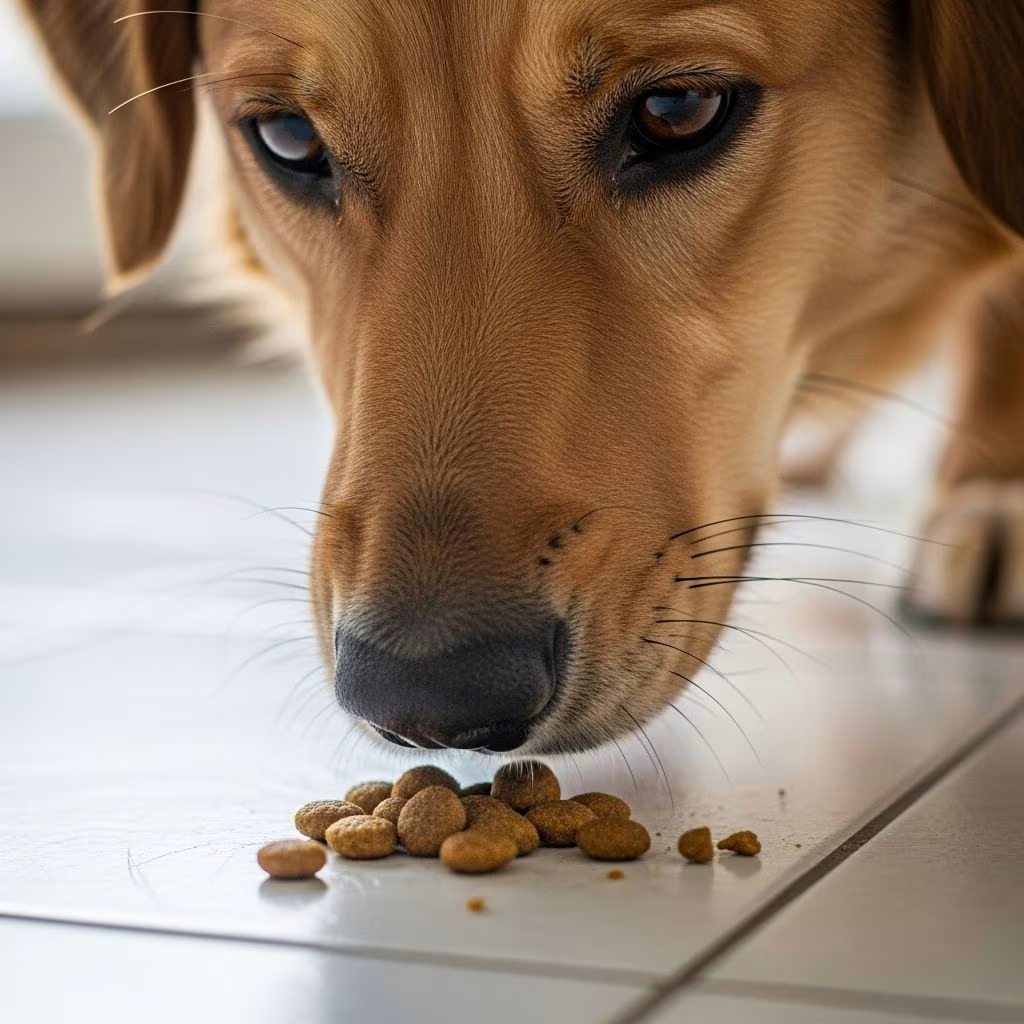
Dogs frequently use their noses to shift kibble or wet food out of bowls, a behavior that puzzles many owners. This action stems from a mix of evolutionary traits, environmental factors, and possible underlying problems. Understanding these motivations helps create smoother feeding experiences and ensures your pet’s well-being.
Ancestral Survival Instincts at Play
Modern dogs descend from wild canines like wolves, who buried excess food to protect it from scavengers and ensure future meals during scarcity. When your dog nudges food across the floor, it mimics this caching behavior, even in homes with reliable food supplies.
Not feeling hungry right away prompts this response; the dog ‘hides’ portions for later, treating the kitchen floor as a makeshift cache. Puppies and young dogs exhibit this more often, as their instincts remain strong before domestication fully tempers them.
Curiosity and Sensory Exploration
With over 300 million olfactory receptors—far surpassing humans—dogs rely on smell to analyze everything. Nudging lets them aerate food, releasing scents to evaluate freshness, ingredients, or changes like a new brand.
Recent diet switches, toppers, or even slight spoilage can trigger investigation. Observe if nudging accompanies sniffing or pawing; it’s your dog’s way of quality-checking before committing to eat.
Discomfort from Bowl Design
Inappropriate bowls cause physical irritation, leading dogs to relocate food. Deep or narrow dishes rub against whiskers, muzzles, or snouts, especially for flat-faced breeds like Pugs or Bulldogs.
Table 1: Bowl Types and Suitability
| Breed Type | Recommended Bowl | Why It Helps |
|---|---|---|
| Short-nosed (Brachycephalic) | Wide, shallow plate | Prevents whisker fatigue and chin rubbing |
| Large breeds | Wide, stable ceramic | Accommodates big jaws without tipping |
| Small breeds | Low-sided stainless steel | Easy access without neck strain |
Switching to a larger, flatter option often resolves nudging instantly, as dogs prefer eating without obstruction.
Learned Habits for Attention
Dogs quickly associate actions with rewards. If nudging once drew your laughter, pets, or food tweaks—like added treats—it becomes a go-to for engagement.
- Initial playful pawing or nosing gets noticed.
- Owner reacts positively, reinforcing the cycle.
- Dog repeats to recapture focus during boring meals.
To break this, ignore the behavior entirely and remove the bowl after 10-15 minutes if uneaten. Consistency teaches that meals have limits, curbing attention-seeking.
Playfulness and Boredom Relief
Mealtime doubles as entertainment for energetic dogs. Pushing food scatters it like a toy, turning dinner into an interactive game, particularly in puppies or high-drive breeds.
In multi-dog homes, this invites social play, like nudging toward packmates. Combat boredom with puzzle feeders or scatter kibble on sniff mats, channeling energy productively.
Signs of Appetite or Diet Imbalance
Overfeeding, excessive treats, or free-feeding dulls hunger cues, making dogs toy with food instead of devouring it. Check portion guidelines on food packaging based on weight, age, and activity.
Sudden disinterest might signal temporary pickiness or overstimulation from daytime snacks. Structured twice-daily meals restore appetite naturally.
Potential Health and Oral Concerns
Persistent nudging paired with refusal warrants veterinary attention. Common culprits include:
- Dental pain: Broken teeth, gum disease, or abscesses cause avoidance. Watch for drooling, pawing, or bloody saliva.
- Systemic illness: Infections, gastrointestinal upset, or medications suppress appetite.
- Vision decline: Older dogs root around to locate food via touch and smell.
American Veterinary Medical Association guidelines stress prompt exams for appetite loss lasting over 48 hours in adults or 24 in puppies, as dehydration risks escalate quickly.
Environmental Stressors During Meals
Dogs are sensitive to surroundings. Noisy appliances, high traffic, or competition from other pets heighten anxiety, prompting displacement as a coping mechanism.
Create a calm feeding zone: quiet corner, elevated stand for security, and routine timing. This minimizes stress-induced nudging.
Practical Solutions to Minimize Nudging
Address root causes systematically:
- Assess equipment: Upgrade to breed-appropriate bowls; test plates for scatterers.
- Establish routines: Fixed mealtimes, no free-feeding; remove uneaten food promptly.
- Enrich meals: Use slow feeders, frozen toppers, or toys to engage without mess.
- Monitor health: Annual dental checks; vet visit for behavioral shifts.
- Train positively: Reward calm eating with praise post-meal.
Most cases resolve with tweaks; track changes in a journal to pinpoint patterns.
When to Seek Professional Help
Benign quirks differ from red flags. Consult a vet if nudging accompanies:
- Weight loss or lethargy.
- Diarrhea, vomiting, or odd stools.
- Behavioral changes like aggression near food.
- No improvement after environmental fixes.
Behaviorists aid chronic cases tied to anxiety, using desensitization techniques.
FAQs: Dog Food Nudging Explained
Is food nudging normal for all dogs?
Common but varies by breed, age, and history. Instinct-driven in many, problematic if excessive.
Does nudging mean my dog dislikes its food?
Not always; could be exploration or habit. Gradual transitions prevent true rejection.
How long should I leave food down?
10-20 minutes max per meal to encourage hunger and routine.
Can age affect this behavior?
Yes—puppies play more, seniors may due to senses dulling.
Should I punish food pushing?
No; ignore and redirect to avoid reinforcing negatively.
References
- Why Does My Dog Push Food With His Nose? 7 Vet-Reviewed Reasons — Dogster. 2023. https://www.dogster.com/dog-health-care/why-does-dog-push-food
- Why Do Dogs Push Away Their Food — WagWalking. 2023. https://wagwalking.com/behavior/why-do-dogs-push-away-their-food
- Why Does Dog Push Food With Nose? – PetGuide360.com — YouTube (PetGuide360). 2023. https://www.youtube.com/watch?v=GQBmLyWXC8s
- Why Does My Dog Push Around His Bowl? — Vetstreet. 2012-04-16. https://www.vetstreet.com/our-pet-experts/why-does-my-dog-push-around-his-bowl
- Understanding Why Dogs Nudge Their Food Before Eating — The Training of Dogs. 2023. https://www.thetrainingofdogs.com/post/why-does-my-dog-nudge-his-food-before-eating



