

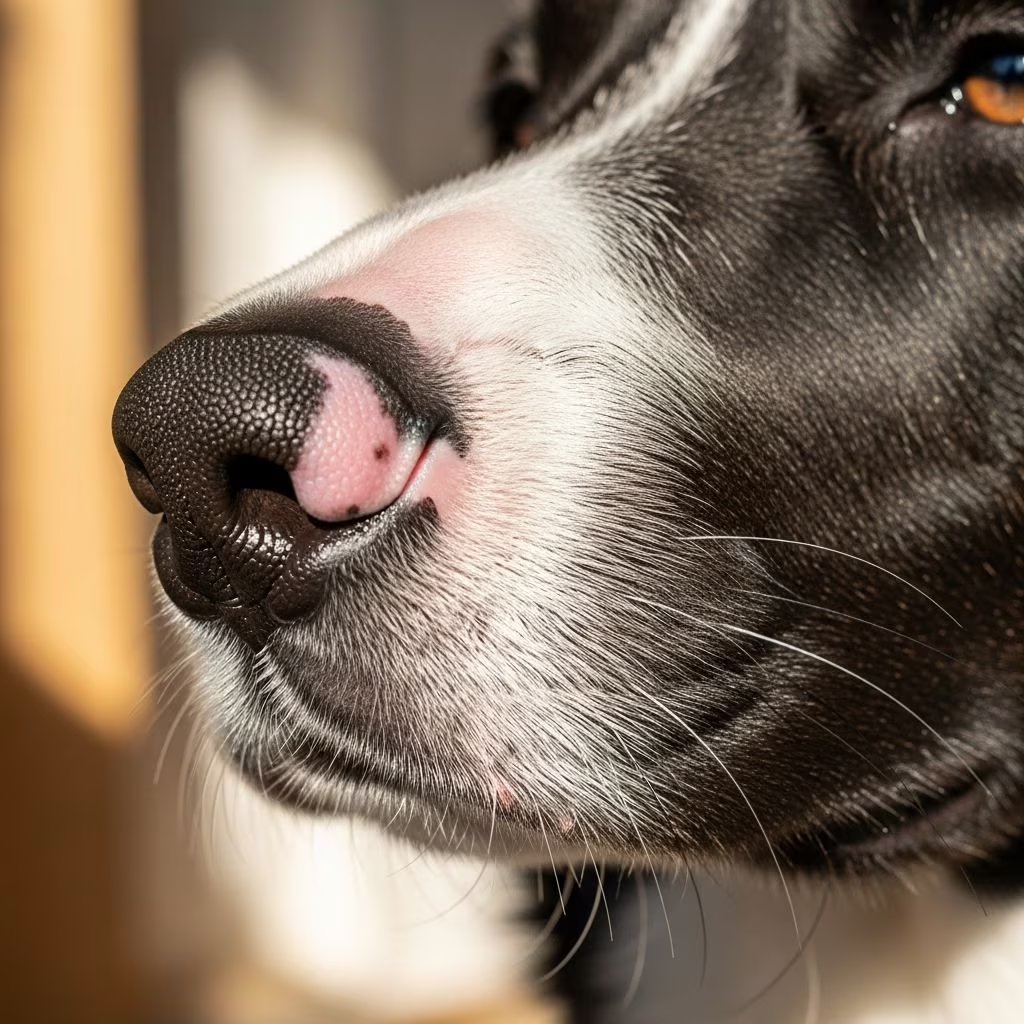
Dog noses naturally vary in color, from black and liver (brown) to blue (gray) or butterfly patterns with pink spots. A pink nose can alarm pet owners, but it’s often benign. Changes may occur seasonally due to sunlight, skin issues, trauma, or pigment cell alterations. This comprehensive guide explores common causes, when to worry, and breed predispositions.
Why do dogs’ noses turn pink?
Dogs’ noses turn pink due to reduced melanin production in the skin. Melanocytes, pigment-producing cells, can be affected by environmental factors, genetics, aging, or health issues. While black noses are common, lighter colors like pink emerge when pigment fades. Seasonal shifts, especially in winter, are frequent in certain breeds.
Common reasons why dogs’ noses turn pink
Snow nose
**Snow nose**, also called winter nose, is the most common benign cause. The nose fades from black or brown to pink during fall and winter, often reverting in spring. It primarily affects dogs with liver noses but can occur in any. Though unproven, experts link it to reduced sunlight, tyrosinase enzyme breakdown (key for melanin), cold sensitivity, or genetics.
It appears as spots or a central stripe, harmless and painless. Golden Retrievers, Labs (especially chocolate), Siberian Huskies, and Malamutes are prone. Pigment usually returns with warmer weather, but older dogs may retain it year-round.
Lack of pigment
Some dogs are born with pink spots, particularly merle-coated breeds. **Vitiligo**, a cosmetic autoimmune condition, destroys melanocytes, causing sharp pink patches on the nose or white fur spots elsewhere. The nose retains normal cobblestone texture without irritation.
Unlike snow nose, vitiligo is permanent but non-painful. Breeds like Dachshunds, Dobermans, Rottweilers, Belgian Tervurens, and German Shepherds are susceptible.
Sun exposure
Paradoxically, both too little and too much sun affect nose color. Light-nosed dogs risk **sunburn**, damaging pigment cells and causing pink, raw areas or wounds, especially at nose edges. Pigmented noses offer protection, but prolonged exposure without shade leads to peeling and permanent lightening.
- Prevent with dog-safe sunscreen (zinc oxide-free).
- Limit midday sun for light-nosed breeds like white Boxers or Dalmatians.
Skin and health conditions
Serious issues cause pink noses via ulceration or inflammation. **Autoimmune diseases** like discoid lupus erythematosus (DLE) depigment and ulcerate the nose, losing cobblestone texture. It may affect eyes, ears, lips.
**Infections**: Bacterial pyoderma reddens, swells, crusts nose/lips. Fungal ringworm creates red, scaly patches. **Cancer** (e.g., cutaneous lymphoma) causes pigment loss, ulcers, bumps. **Uveodermatologic syndrome** (VKH-like) depigments nose/mouth/eyes with eye inflammation.
Allergies
**Allergies** to fleas, food, or environment don’t directly pinken noses but prompt rubbing/licking, creating raw pink abrasions with discharge. Combined with dry skin or irritation, this mimics pigment loss.
- Signs: Itchiness, pawing, sneezing, nasal discharge.
- Treatment: Identify allergens via vet testing; use hypoallergenic diets, flea preventives.
Aging
**Aging** gradually reduces melanocyte function, lightening noses slowly. Not all dogs experience this; notice via old photos. Harmless but permanent.
When to see a veterinarian for a newly pink nose
Benign changes preserve the nose’s cobblestone texture. Seek vet care for:
- Discharge, bleeding, swelling.
- Fissures, open wounds, smooth texture loss.
- Inflammation, raised skin, sores, cracks.
- Pain signs: rubbing, sneezing, pawing.
Vets diagnose via exam, biopsy, bloodwork. Early intervention prevents progression in serious cases like cancer or autoimmune disease.
Are some dog breeds more likely to have pink noses?
| Condition | Predisposed Breeds |
|---|---|
| Snow nose | Siberian Huskies, Alaskan Malamutes, Golden Retrievers, Labrador Retrievers (chocolate), yellow/tan dogs with liver noses |
| Vitiligo | Dachshunds, Doberman Pinschers, Rottweilers, Belgian Tervurens, German Shepherds |
| Sunburn risk | Light-nosed breeds: Boxers, Dalmatians, white-coated dogs |
Any breed can develop pink noses from allergies or aging, but genetics heighten risks.
Bottom line
Most pink noses stem from benign causes like snow nose or vitiligo, not impacting health or smell. Serious conditions warrant vet attention. Monitor texture, symptoms; protect from sun. Your dog’s nose works fine regardless of color—focus on function over fashion.
Frequently Asked Questions (FAQs)
Is snow nose harmful to my dog?
No, snow nose is cosmetic and temporary for most dogs. Pigment returns in spring/summer.
Can I prevent my dog’s nose from turning pink?
Use sunscreen for sun-prone dogs; limit cold exposure isn’t practical. Benign changes can’t be prevented.
Does a pink nose mean my dog has cancer?
Not usually, but ulcers, texture changes, or symptoms require vet check to rule out cancer or infections.
Why do Golden Retrievers get pink noses?
Common in Goldens due to snow nose from genetics, cold, or sun. Often seasonal.
Is vitiligo in dogs treatable?
No cure, but it’s harmless. Some supplements aid pigment, consult vet.
References
- Why Is My Dog’s Nose Turning Pink? Causes Explained — Kinship. 2023. https://www.kinship.com/dog-health/why-dogs-nose-turning-pink
- Why Do Golden Retrievers’ Noses Turn Pink? (All About Snow Nose) — My Golden Retriever Puppies. 2023. https://www.mygoldenretrieverpuppies.com/blog/golden-retrievers-pink-nose
- Dog Snow Nose: Why Dogs’ Noses Turn Pink — Hill’s Pet Nutrition. 2023. https://www.hillspet.com/dog-care/behavior-appearance/dog-snow-nose
- Snow Nose in Dogs: A Veterinarian Explains — ToeGrips. 2023. https://toegrips.com/snow-nose-dog/
- Snow Nose: What Is It and Why Is My Dog’s Nose Turning Pink? — PetMD. 2023. https://www.petmd.com/dog/wellness/what-dog-snow-nose-and-what-can-you-do-about-it



