

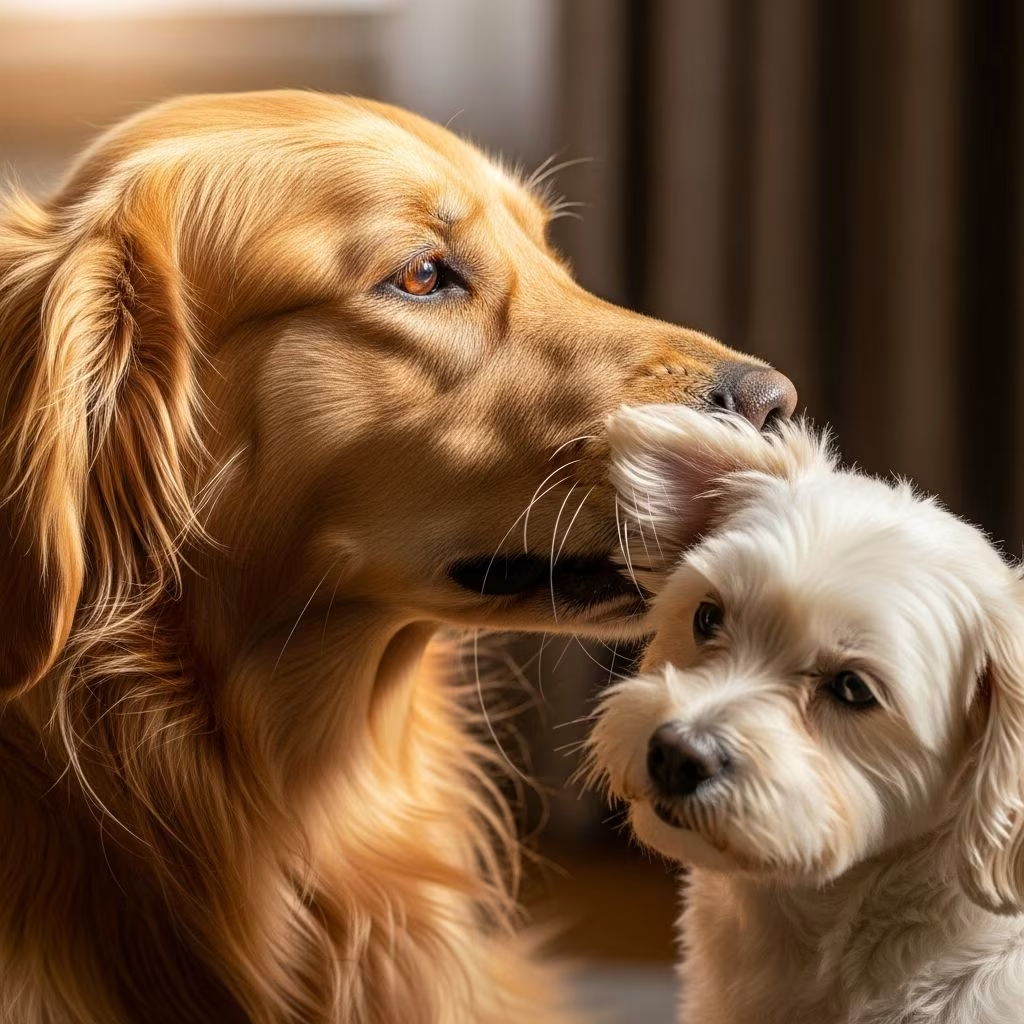
Dogs often use gentle nibbling, known as cobbing, on their companions as a form of communication, play, or self-soothing. This behavior, distinct from aggressive biting due to its use of front incisors and light pressure, can stem from natural instincts or environmental triggers.
Understanding the Nibbling Instinct
Nibbling mimics how dogs scrape meat from bones or groom each other, employing precise front teeth movements without causing harm. When directed at another dog, it frequently targets legs, tails, or flanks, reflecting social or exploratory motives.
Primary Reasons for Inter-Dog Nibbling
Several factors drive this conduct, ranging from innate drives to learned responses. Recognizing these helps owners intervene appropriately.
- Affection and Social Bonding: Dogs nibble pack mates to reinforce relationships, similar to mutual grooming in wild canids. Relaxed body language, like wagging tails, accompanies this positive interaction.
- Herding Breed Traits: Breeds such as Australian Shepherds or Border Collies inherited nipping to guide livestock, now redirected toward housemates during excitement or play.
- Playful Exploration: Puppies and young dogs mouth each other to practice bite inhibition, learning jaw control through gentle contact.
When Nibbling Signals Puppy Development
During teething phases around 4-7 months, puppies chew on siblings or adults to soothe sore gums. This temporary surge eases as adult teeth emerge, but providing chew toys redirects the urge.
| Age Group | Typical Cause | Body Language Cues |
|---|---|---|
| Puppies (3-7 months) | Teething discomfort | Bouncy posture, frequent mouthing |
| Adolescents (7-18 months) | Play/herding instincts | Chasing, low growls, play bows |
| Adults | Anxiety or boredom | Pacing, lip licking, avoidance |
Stress and Anxiety as Underlying Factors
Anxious dogs resort to nibbling for comfort, especially during changes like new homes or separations. Accompanying signs include tucked tails or dilated pupils, indicating emotional distress.
Overstimulation from rough play can also prompt cobbing as a calming mechanism, preventing escalation to bites.
Boredom and Insufficient Stimulation
High-energy breeds channel excess energy into nibbling when lacking exercise or mental challenges. Daily walks, puzzle toys, and training sessions mitigate this by fulfilling their needs.
Attention-Seeking Patterns
Dogs learn nibbling elicits reactions from owners or peers, perpetuating the habit. Ignoring mild instances while rewarding calm behavior breaks the cycle.
Breed Predispositions to Nibbling
Certain lines show heightened tendencies:
- Herders (e.g., Collies): Movement control instincts.
- Retrievers (e.g., Labs): Mouth-oriented tasks.
- Social breeds (e.g., Labs, Goldens): Grooming simulations.
Health-Related Concerns
Persistent nibbling may signal allergies, dental pain, or fleas, causing itch relief attempts. Skin irritation or bald patches warrant veterinary exams.
Compulsive forms resemble OCD, fixating on flanks or tails, potentially leading to self-injury. Early intervention prevents escalation.
Distinguishing Nibbling from Aggression
Nibbling uses incisors with rhythmic, painless motions; aggression involves canines, stiff posture, and growls. Context clarifies intent—play bows signal fun, while raised hackles indicate threats.
Practical Management Strategies
Address root causes through consistent methods:
- Enrich Environment: Rotate toys, add sniff walks, and use food puzzles for mental fatigue.
- Exercise Routine: 30-60 minutes daily of varied activities suits most breeds.
- Positive Training: Teach “leave it” with treats; redirect to appropriate chew items.
- Ignore Attention-Seeks: Turn away during episodes, engage only when settled.
For herding breeds, agility classes channel instincts productively.
Training Techniques for Multi-Dog Homes
Separate during high-energy times, supervise interactions, and reward parallel play. Time-outs in crates prevent reinforcement of unwanted patterns.
Professional Help Indicators
Seek vets or behaviorists if nibbling causes injury, persists despite interventions, or pairs with aggression/fear. Medications may aid compulsive cases under supervision.
FAQs
Is dog nibbling always harmless?
Gentle cobbing usually is, but monitor for escalation or skin damage. Context and frequency guide concern levels.
How do I stop excessive nibbling between dogs?
Increase stimulation, train commands, and consult pros for stubborn cases. Consistency yields results.
Does neutering reduce nibbling?
It may temper hormone-driven play but won’t eliminate instinctual behaviors. Combine with training.
Why does my older dog nibble puppies?
Often grooming or correcting manners, mimicking pack hierarchy. Ensure it’s gentle.
Can diet influence nibbling?
Nutrient deficiencies rarely cause it, but allergies might via itching. Vet checks rule out issues.
By observing patterns and applying targeted fixes, owners foster peaceful multi-dog dynamics. Patience builds trust, turning potential issues into strengthened bonds.
References
- Deciphering Nibbling or Cobbing Behavior in Dogs — Charlotte Metro Pet Group. 2023-05-15. https://www.charlottemetropetgroup.com/post/deciphering-nibbling-or-cobbing-behavior-in-dogs-causes-management-and-well-being
- Why Do Dogs Nibble on You — Creative Science. 2024-02-10. https://creative.science/education/why-do-dogs-nibble-on-you
- 10 Reasons Dogs Nibble With Their Front Teeth — PetHelpful. 2023-11-20. https://pethelpful.com/dogs/reasons-dogs-nibble-with-their-front-teeth
- Dog Nibbling: What It Means — Petcube. 2024-01-05. https://petcube.com/blog/why-does-my-dog-nibble-me/
- Dog Cobbing — Spark Paws. 2023-09-12. https://www.sparkpaws.com/blogs/community/dog-cobbing
- Why Your Dog Nibbles You & What It Means — Rover. 2024-03-18. https://www.rover.com/blog/why-dog-nibbles-me/



