

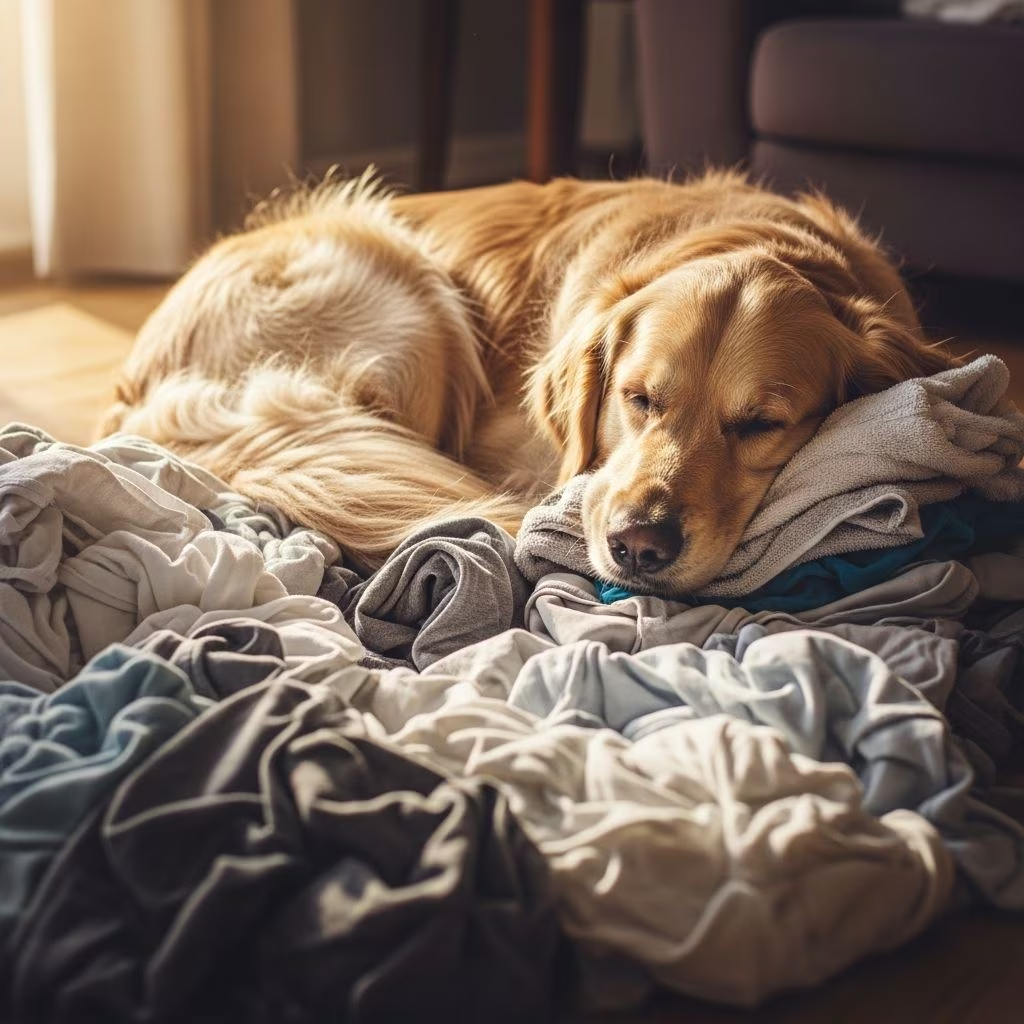
Dogs often choose their owner’s laundry piles as prime resting spots, drawn by the potent mix of familiar scents, soft textures, and emotional reassurance these items provide. This behavior stems from deep-rooted instincts and strong attachments, offering a window into a dog’s inner world.
The Power of Scent in a Dog’s Daily Life
Dogs navigate their environment primarily through smell, possessing an olfactory sense millions of times more sensitive than humans’. Your clothes absorb unique odors from sweat, skin, and daily activities, creating a personalized scent signature that dogs find profoundly comforting.
When a dog curls up on a shirt or pair of socks, it surrounds itself with this aroma, mimicking your presence. Research shows dogs display reduced cortisol levels— a key stress hormone—when exposed to their owner’s scent in novel environments, highlighting its calming effect.
- Familiarity breeds security: Everyday items like worn t-shirts become anchors during absences.
- Scent memory: Dogs associate these smells with positive interactions, reinforcing trust.
- Absence coping: Short outings feel extended to dogs, making scented fabrics a vital link.
Emotional Ties and Attachment Signals
Beyond mere smell, this habit reveals profound emotional bonds. Dogs, as pack-oriented animals, view owners as family leaders, seeking proximity to maintain social harmony. Laundry serves as a tangible extension of you, especially for rescue dogs with past instabilities.
Veterinarians note that such actions parallel human children clutching security objects, providing psychological stability. In multi-pet homes, a dog might favor certain clothes to assert subtle hierarchy, blending affection with pack dynamics.
| Behavior Indicator | Emotional Meaning | Common Contexts |
|---|---|---|
| Nesting in clean laundry | General comfort seeking | Daily relaxation |
| Stealing and hiding dirty clothes | Intense attachment | Owner departures |
| Persistent guarding of items | Territorial affection | Multi-pet households |
Nesting Instincts and Physical Comfort
Ancestral nesting behaviors drive dogs to arrange soft, warm spots for rest, safety, and potential whelping. Modern laundry fulfills this perfectly: plush fabrics offer tactile solace akin to a mother’s fur, while your scent elevates it to ideal status.
Certain materials, like fleece or cotton, provide superior insulation against cool floors, aiding thermoregulation. Dogs may paw and circle clothes to “fluff” them, mimicking wild preparation of dens. This isn’t rebellion but an innate drive for a secure haven.
Territorial Marking Through Subtle Scents
Dogs possess scent glands in paws, cheeks, and tails, releasing pheromones when rubbing or lying on objects. By choosing your clothes, they overlay their signature atop yours, declaring shared ownership and pack affiliation.
This non-aggressive marking fosters integration: your dog carries mixed scents during walks, signaling bonds to other animals. In homes with visitors or new pets, it reinforces their place without conflict.
Separation Anxiety: When It’s More Than a Quirk
For some dogs, laundry lounging signals underlying distress. Separation anxiety affects many pets, manifesting as destructive chewing or vocalizing alongside scent-seeking. Indicators include:
- Following owners room-to-room excessively.
- Pacing or whining at departure cues.
- Relief upon return with over-the-top greetings.
Studies link owner-scent exposure to alleviated anxiety symptoms, suggesting clothes as a natural aid. However, persistent issues warrant professional evaluation.
Breed Tendencies and Individual Variations
Not all dogs exhibit this equally. Scent hounds like Beagles amplify the trait due to superior noses, while Velcro breeds such as Labs or Goldens prioritize closeness. Age plays a role: puppies explore scents playfully, seniors seek extra reassurance amid declining senses.
Environmental factors matter too—cramped spaces push creative bedding choices, while ample toys might redirect but rarely eliminate the preference.
Practical Solutions for Laundry Lovers
While endearing, this can frustrate owners facing laundry chaos. Balance empathy with boundaries using these strategies:
- Scent-infused alternatives: Place worn t-shirts in dog beds or puzzle toys.
- Designated zones: Create a “human scent station” with old blankets away from clean piles.
- Training basics: Use positive reinforcement to teach “bed” or “place” commands.
- Enrichment boost: Increase exercise and mental games to curb anxiety-driven habits.
For anxiety cases, consult vets for pheromone diffusers or behaviorists. Gradual desensitization—short absences with scent items—builds independence.
Health Checks and When to Worry
Rarely, excessive fabric fixation signals issues like allergies (itch relief on soft cloth) or nutritional gaps prompting pica. Monitor for:
- Sudden obsession spikes.
- Ingestion of cloth pieces.
- Accompanying lethargy or appetite loss.
Routine vet visits ensure no medical roots, as early detection preserves joy in these quirks.
FAQs
Is it okay to let my dog sleep on my clothes?
Occasionally yes, for bonding; consistently, provide alternatives to avoid dependency and laundry woes.
Why does my dog prefer dirty over clean clothes?
Dirtier items hold stronger scents, intensifying comfort—wash less-worn favorites sparingly if needed.
Can this behavior indicate health problems?
Usually not, but paired with other symptoms like vomiting, seek veterinary advice promptly.
How do I stop my dog from stealing laundry?
Secure hampers, offer scent toys, and train “leave it” with treats for compliance.
Does breed affect this habit?
Yes, scent-driven breeds show it more, but any dog with strong attachments may partake.
Embracing the Bond
Your dog’s laundry naps celebrate an unbreakable connection, blending instinct, emotion, and sensory delight. By understanding motivations—from scent solace to nesting needs—you foster a happier home. Respond with tailored comforts, transforming quirks into cherished rituals that deepen mutual trust.
References
- The Comfort of Your Scent: Why Dogs Love Laying on Your Clothes — Oreta AI Blog. 2023. https://www.oreateai.com/blog/the-comfort-of-your-scent-why-dogs-love-laying-on-your-clothes/53e61fce42a2ec125af7ebead6699650
- Why Does My Dog Lay on My Clothes? Understanding Their Behavior — PEC Pets. 2024. https://pecpets.com/why-does-my-dog-lay-on-my-clothes/
- Why Dogs Lay On Your Clothes – It’s Deeper Than You Think — YouTube (Pet Behavior Explained). 2023. https://www.youtube.com/watch?v=LPnQOph6-0U
- Why Dogs Lay On Your Clothes — Wag! Walking. 2024. https://wagwalking.com/behavior/why-dogs-lay-on-your-clothes
- Why Does My Dog Sleep on My Clothes? The Surprising Reason — Good Natured Brand. 2023. https://www.goodnaturedbrand.com/blogs/entertainment/why-does-my-dog-sleep-on-my-clothes-the-surprising-reason
- Uncovering the Cozy Secret: Why Dogs Love Sleeping on Your Clothes — Fitwarm. 2024. https://www.fitwarm.com/blogs/news/uncovering-the-cozy-secret-why-dogs-love-sleeping-on-your-clothes



