

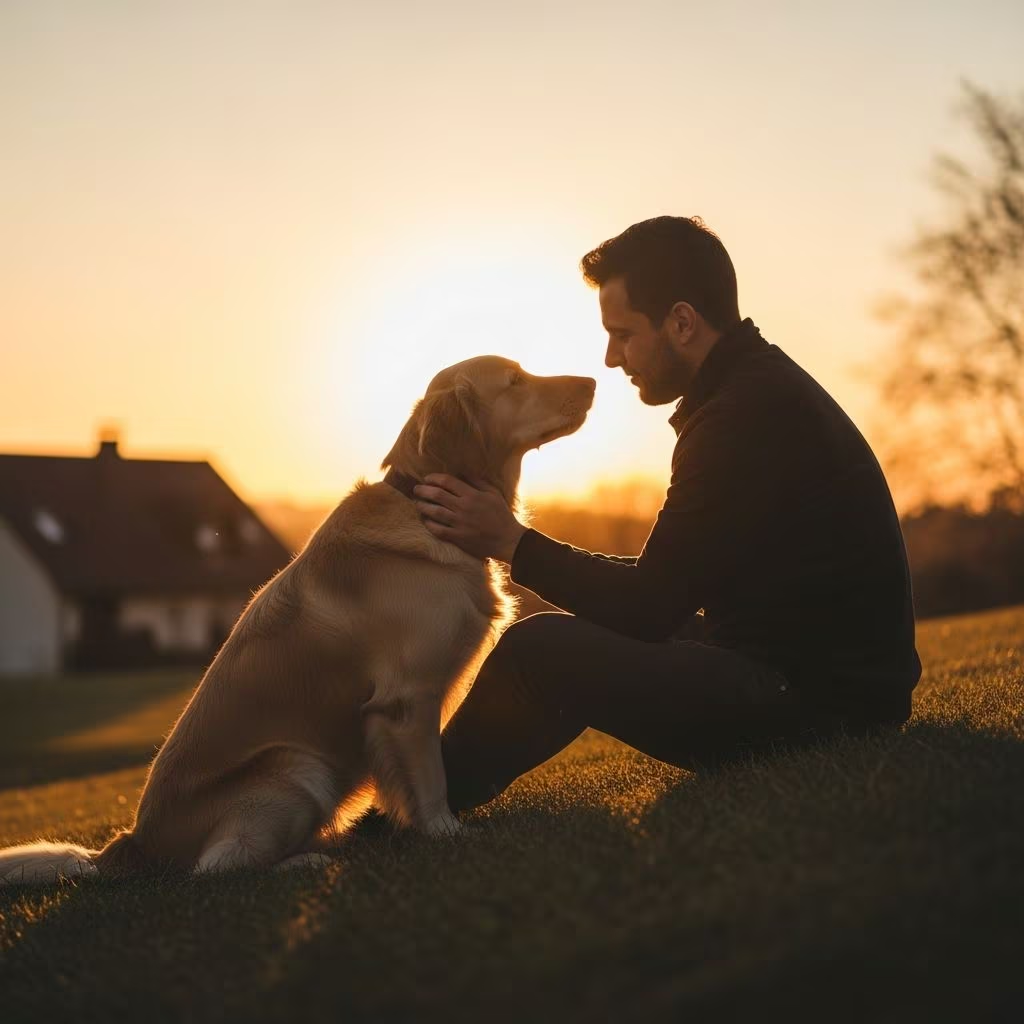
Why Dogs Are Man’s Best Friend: Understanding the Unique Bond
We’ve all heard the phrase countless times: “A dog is a man’s best friend.” If you’re a dog parent, you probably wholeheartedly agree with this sentiment. Dogs greet us with enthusiastic tail wags and boundless excitement, they seem to know exactly when we need comfort, and they loyally stand by our side through every moment of our lives. But beyond the surface-level companionship, there’s something deeply special about the relationship between humans and dogs—a bond that transcends typical friendships. From their roles as service animals to their ability to rescue us emotionally during our darkest moments, dogs offer a unique relationship that no human companion could ever fully replace.
But have you ever truly stopped to question why this bond exists? What makes dogs such exceptional companions? Understanding the reasons behind why dogs are man’s best friend requires looking at both the scientific and emotional dimensions of human-canine relationships. This exploration reveals fascinating insights into loyalty, unconditional love, and the remarkable ways dogs enhance our lives.
The Foundation of Unconditional Love
At the heart of why dogs are man’s best friend lies one fundamental truth: dogs offer unconditional love. Unlike human relationships that may be complicated by past grievances, misunderstandings, or changing circumstances, a dog’s love remains constant and unwavering. Your dog doesn’t care about your job title, your appearance, or your bank account balance. They love you for who you are, flaws and all.
This unconditional acceptance creates a safe emotional space where you can be entirely yourself. When you come home after a terrible day, your dog doesn’t ask what went wrong or judge you for your feelings. Instead, they celebrate your arrival with pure joy, offering their presence as a form of comfort. This non-judgmental companionship is one of the most valuable qualities that make dogs exceptional friends—something that even our closest human relationships sometimes struggle to provide.
The Gift of Never-Ending Enthusiasm
Dogs possess a remarkable ability to live in the present moment with an enthusiasm that’s genuinely infectious. Every single day, your dog approaches life with fresh excitement, whether it’s a simple walk around the block or a trip to the park. They don’t hold grudges from yesterday or worry about tomorrow—they’re entirely focused on the joy of right now.
This perpetual optimism and excitement is contagious. When your dog rushes to greet you at the door with enthusiastic kisses and tail wags, it’s nearly impossible not to feel a lift in your spirits. They remind us to appreciate the simple pleasures in life—a sunny afternoon, a good walk, quality time together. In a world that often feels overwhelming and complicated, dogs offer a refreshing perspective on finding joy in everyday moments.
Acceptance of Our Quirks and Habits
One of the most endearing qualities of dogs is their remarkable ability to accept and even love our personal quirks. Who would have ever thought that copious amounts of drool could be so adorable and endearing? Not to mention, any of your own habits—the ones you might be self-conscious about—go quietly under the radar with your canine companion. Whether you sing off-key in the shower, have a messy room, or snore while sleeping, your dog accepts these imperfections without judgment or criticism.
This acceptance extends to your emotional state as well. If you’re having a bad hair day, feeling bloated, or not at your best, your dog couldn’t care less. They love you the same whether you’re dressed to the nines or in your rattiest sweatpants. This lack of judgment creates a genuinely authentic relationship where you never feel pressured to be anything other than your authentic self.
The Ultimate Comfort During Difficult Times
When you’re down in the dumps and feeling your worst, the only consolation you truly want is from your best friend—your dog best friend, that is. Forget the ice cream and wine; nothing feels quite as good as venting to the best listener you know and receiving the warmest, most genuine affection in return. Dogs possess an almost supernatural ability to sense when we’re upset or struggling emotionally.
During moments of sadness, anxiety, or emotional distress, dogs instinctively draw closer to us. They rest their heads on our laps, snuggle against us, and offer their quiet presence as a form of support. This doesn’t require them to understand the specifics of what’s bothering you; they simply understand that you need comfort, and they provide it without hesitation. The therapeutic power of a dog’s companionship during difficult times cannot be overstated—it’s one of the most profound reasons why dogs truly are man’s best friend.
Loyalty That Never Wavers
Dogs are renowned for their unwavering loyalty, and this quality forms the backbone of why they’re considered man’s best friend. Unlike some human friendships that may change or fade over time, a dog’s loyalty remains constant throughout their lifetime. Once a dog bonds with you, they’re committed to that relationship completely and unconditionally.
This loyalty manifests in countless ways. Your dog is thrilled to see you whether you’ve been gone for five minutes or five hours. They want to be near you, involve themselves in your activities, and are always ready to go wherever you go. This steadfast devotion creates a profound sense of security and acceptance that enriches our lives immeasurably. In a world where relationships can be complicated and people may let us down, our dogs remain constant, loyal companions who are genuinely happy just to be in our presence.
The Shared Personality Connection
Research has revealed something fascinating: many pet parents recognize personality traits in their dogs that mirror their own. According to surveys, 73% of pet parents report sharing personality traits with their dogs. The most common shared traits include:
- Loyalty (66%)
- Friendliness (65%)
- Affection (64%)
- Playfulness (53%)
This connection goes beyond mere coincidence. Over time, living closely with our dogs, we often pick up their mannerisms, and they adapt to our temperaments. We become synchronized in our rhythms and moods. This creates a relationship that feels like living with a reflection of ourselves—a “mini me” who happens to have four legs and a tail. This personality alignment deepens the bond, making dogs feel less like pets and more like extensions of ourselves.
Dogs as Life Partners and Soulmates
For many dog parents, their canine companion transcends the role of “pet” entirely. Survey data shows that pet parents view their dogs as much more than animals—they see them as family members, closest confidants, biggest cheerleaders, best friends, and even soulmates. This shift in perspective reflects the profound depth of human-canine relationships in modern life.
Dogs are there for major life milestones and everyday moments alike. They celebrate our victories, comfort us through our losses, and provide consistent companionship through every season of life. As we navigate the challenges and joys of existence, our dogs walk alongside us, offering their unwavering presence and unconditional love. This partnership creates a bond that rivals many human relationships in its depth and significance.
Superior Cuddling and Physical Affection
Here’s a surprising finding that speaks volumes about the quality of companionship dogs provide: more than half of pet parents (53%) say their pet is a better cuddler than their partner. This statistic reveals just how valuable physical affection and closeness are in the human-dog bond. Dogs are consistently available for snuggling, they never complain about being held too tightly, and they seem to instinctively know when we need the comfort of their warm, furry presence.
Unlike human partners who might be too busy or preoccupied, dogs are always ready for cuddle sessions. They’ll settle onto your lap while you watch television, curl up beside you while you read, or rest their heads on your chest while you process your thoughts. This consistent physical affection triggers the release of oxytocin—the “bonding hormone”—in both humans and dogs, deepening the connection and creating measurable health benefits.
Service Dogs and Exceptional Roles
Beyond companionship, dogs demonstrate their value as man’s best friend through their remarkable service roles. Service dogs assist people with disabilities, alerting them to potential dangers, providing mobility support, and even performing life-saving tasks. These dogs undergo extensive training to perform specific roles, yet they do so with the same enthusiasm and love they’d show as family pets.
Therapy dogs bring comfort to hospital patients, nursing home residents, and people experiencing trauma. Search and rescue dogs help locate missing persons and disaster survivors. Dogs work alongside law enforcement, assist people with diabetes by alerting to blood sugar changes, and provide emotional support to those struggling with mental health challenges. These roles demonstrate that the human-dog bond isn’t just about personal companionship—it’s about dogs genuinely enhancing human lives in profound and sometimes life-changing ways.
The Science of the Human-Dog Connection
The relationship between humans and dogs isn’t just emotionally significant; it’s scientifically proven to be beneficial for both parties. When dogs and their human companions interact, both experience increased levels of oxytocin, the hormone responsible for bonding and trust. Dog owners have lower blood pressure, reduced stress levels, and improved overall mental health compared to those without dogs. These measurable physical benefits demonstrate that the phrase “man’s best friend” isn’t merely poetic sentiment—it’s grounded in biological reality.
Dogs provide what researchers call “unconditional positive regard,” which contributes to improved self-esteem and emotional resilience in their owners. The act of caring for a dog also provides purpose, routine, and responsibility, all of which contribute to better mental health and overall life satisfaction. When we understand the science behind why dogs are our best friends, it becomes clear that this relationship has evolved to benefit both species in fundamental ways.
Building and Strengthening Your Bond
If you want to deepen your connection with your dog best friend, there are several effective strategies:
- Spend quality time together through walks, play sessions, and quiet moments
- Learn and practice training techniques that build trust and communication
- Provide mental stimulation through games and puzzle toys
- Maintain consistent routines that help your dog feel secureShow physical affection through petting, cuddling, and gentle handling
- Recognize and respect your dog’s individual personality and preferences
- Ensure proper nutrition and healthcare to support their well-being
Frequently Asked Questions
Q: Why do dogs seem to understand human emotions?
A: Dogs have evolved alongside humans for thousands of years and have developed an acute ability to read human facial expressions, body language, and tone of voice. They can sense changes in our emotional state and respond with comfort and support accordingly.
Q: Can any dog become my best friend?
A: While every dog has the capacity for friendship with humans, individual personalities vary. Early and consistent socialization, proper training, and finding a dog whose temperament matches your lifestyle greatly increase the likelihood of forming a strong bond.
Q: How long does it take to develop a strong bond with a dog?
A: Every relationship develops at its own pace. Some dogs bond quickly with their new owners within weeks, while others may take several months. Consistent care, positive interactions, and patience are key to developing a lasting friendship.
Q: What makes dogs better companions than other pets?
A: Dogs are pack animals with natural social instincts that make them inherently oriented toward bonding with humans. Their expressive communication, eager-to-please nature, and ability to form deep emotional attachments set them apart from many other pet species.
Q: Can adult dogs form strong bonds with new owners?
A: Absolutely. While puppies may bond quickly, adult dogs are equally capable of forming deep attachments with new owners. Many rescue dogs demonstrate remarkable loyalty and love once they’ve found their forever homes.
References
- Why Are Dogs A Man’s Best Friend? — Chewy. 2024. https://www.chewy.com/education/dog/general/dog-actually-best-friend
- New Survey Reveals That Pets Are Better Cuddlers Than Partners — Chewy Editorial. 2024. https://www.chewy.com/education/dog/general/new-survey-reveals-that-pets-are-better-cuddlers-than-partners
- The Benefits of Having a Pet That’ll Make You Never Stop Cuddling — Chewy Editorial. 2024. https://www.chewy.com/education/dog/general/mental-health-benefits-of-pets
- How to Introduce Dogs so They’ll Be Besties for Life — Chewy. 2024. https://www.chewy.com/education/dog/training-and-behavior/doggie-play-date-etiquette-how-to-introduce-pets-successfully
- 20 of the Friendliest Dog Breeds That Make the Best Pals — Chewy. 2024. https://www.chewy.com/education/dog/general/friendliest-dog-breeds
- Chewy Claus 2024 Recap: A Therapy Dog Bestie, A Pony Party, and More — Chewy. 2024. https://www.chewy.com/education/dog/general/chewy-claus-wishes
- How To Get a Dog To Like You in 7 Steps — Chewy. 2024. https://www.chewy.com/education/dog/new-dog/how-to-get-a-dog-to-like-you



