Dog Lunging Behavior: 4 Proven Training Methods For Calm Walks
Learn why dogs lunge on walks and discover proven training techniques to manage this common behavioral issue.
Understanding Dog Lunging Behavior
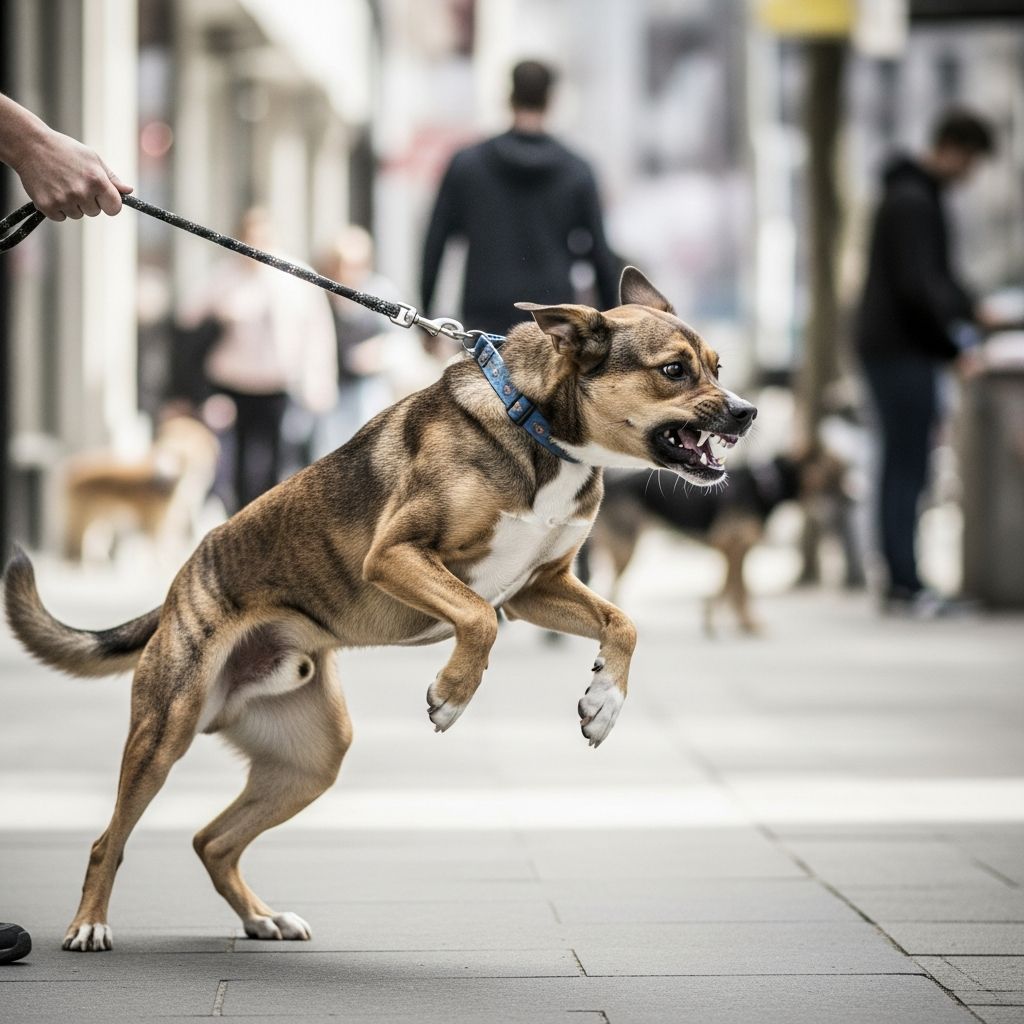
Lunging is one of the most common and frustrating behavioral issues dog owners face during walks. When your dog lunges at other dogs, people, or objects on a leash, it can feel uncontrollable and embarrassing. However, understanding the root causes of lunging is the first step toward addressing it effectively. Dogs that lunge and bark during walks are often labeled as “leash-reactive,” meaning they become overly aroused by normal situations and react excessively when confined by a leash.
Rather than viewing lunging as a sign of a “bad dog,” it’s important to recognize that lunging serves a purpose for your dog. The behavior communicates something, and identifying what your dog is trying to tell you is crucial for implementing the right solution. Whether your dog lunges due to excitement, fear, or aggression, each cause requires a different training approach.
The Three Main Causes of Dog Lunging
Lunging Due to Over-Excitement and Frustration
One of the most common reasons dogs lunge is due to excitement and frustration. Your dog might be perfectly friendly and play beautifully with other dogs in an off-leash environment, yet frantically bark, lunge, and spin when confined to a leash. These dogs are often called “frustrated greeters”—they’re genuinely excited to say hello and get aroused, but the barrier that the leash creates becomes too much for them to handle.
In these situations, your dog isn’t being aggressive; they’re experiencing frustration because they want to interact with the stimulus (another dog or person) but can’t reach it freely. The leash, while necessary for safety, creates a frustrating barrier between your dog and what they want to investigate or greet.
Lunging Due to Fear
Fear is another common and serious motivator for lunging behavior. While it may seem counterintuitive for a dog to lunge toward something they’re afraid of, this behavior serves a protective function. Fearful dogs use an “I’ll get it before it gets me” strategy, lunging to try to make whatever they’re afraid of—whether another dog, person, or object—go away.
Fear-based lunging is a defensive behavior rooted in the dog’s survival instinct. Your dog isn’t trying to be aggressive; they’re trying to eliminate what they perceive as a threat. Understanding this distinction is critical because the treatment for fear-based lunging is very different from treating excitement-based lunging.
Lunging Due to Leash Aggression
Aggression is the third possible motivation for lunging and must be taken seriously. Leash aggression—where a dog displays aggressive behavior specifically while on a leash—can be dangerous for your dog, you, and others around you. If you suspect that your dog may be behaving aggressively or is showing signs of leash aggression, it’s essential to get help from a certified trainer who specializes in aggression.
This type of lunging requires professional intervention and should not be handled through general obedience training alone. A specialist can assess whether your dog’s lunging stems from true aggression or if it’s fear or frustration manifesting as aggressive-looking behavior.
Why Management Matters: Preventing the Habit
One of the most important principles in addressing lunging is understanding that repetition reinforces behavior. If your dog keeps lunging on their leash, they’re developing a habit, and the more they do it, the harder it is to change that habit. This is why management—preventing lunging opportunities before they happen—is crucial.
Management strategies don’t train your dog to stop lunging; they simply prevent your dog from practicing the unwanted behavior. While management alone won’t fix the underlying issue, it’s an essential first step that creates space for training to be effective.
Effective Equipment and Management Strategies
Choosing the Right Walking Equipment
The equipment you use makes a significant difference in managing lunging behavior. A standard buckle collar can put a lot of pressure on your dog’s throat when they lunge, potentially causing injury. A front-clip harness is a much better choice because it puts pressure on your dog’s chest instead, and it helps turn them back toward you when they spring forward.
Head halters, when used correctly, are also effective management tools. Pat Miller, a renowned dog training editor, recommends using two leashes simultaneously—one clipped to the head halter and the other to the dog’s regular collar. This approach allows you to absorb the shock of a lunge with the regular collar while using gentle pressure on the head halter to turn your dog away from the object of attention.
Miller emphasizes that while choke chains have been widely used historically, they are dangerous and have been shown to cause spinal subluxations in dogs. In severe cases, choke chain training has even resulted in collapsed tracheas and fatalities.
Environmental Management
Beyond equipment, managing your dog’s environment is critical. Choose the quietest route for your walks and be on constant lookout for triggers so you can keep your dog far enough away that they don’t react. This might mean taking evasive action like crossing the street or making a 180-degree turn. If you can distract your dog before they notice the trigger, even better.
Constantly monitor both the environment and your dog’s body language so you can predict lunging before it occurs and act accordingly. This proactive approach prevents rehearsal of the lunging behavior and keeps your dog under their “threshold”—the point at which they can still focus and respond to training.
Training Methods That Work
Never Punish Lunging Behavior
The most critical rule when addressing lunging is to avoid punishment. Never punish your dog for lunging behavior because you’ll only exacerbate the problem. When you punish your dog, they will associate the punishment with the other person, dog, or object, which will strengthen their fear or increase their frustration.
Instead of traditional corrections, modern training focuses on changing your dog’s emotional response to triggers through positive reinforcement techniques.
Desensitization and Counterconditioning
Management alone prevents your dog from practicing lunging, but it won’t improve their behavior or ease their emotional state. To achieve lasting change, desensitization and counterconditioning techniques are essential. This approach changes your dog’s emotional response from negative to positive (in cases of fear-based or aggressive reactivity) or from out-of-control excitement to calm (in cases of frustration).
The process involves exposing your dog to their trigger at a distance where they don’t react, then rewarding them heavily for calm behavior. Gradually, you move closer to the trigger while maintaining calm responses, eventually reaching a point where your dog can remain composed even when the trigger is very close.
Teaching Incompatible Behaviors
You can also teach your dog to perform a behavior that is incompatible with lunging. For example, your dog cannot lunge toward another dog while simultaneously turning to look at you with rapt attention. If you heavily reward this alternative behavior, your dog will eventually choose to do it in place of lunging, even when their trigger is close by.
When your dog looks at the trigger, ask for the replacement behavior and shower them with treats when they obey. Then, ask for the new behavior while slowly moving closer and closer to the trigger. If your dog reverts to lunging, you’ve moved too far, too fast. Eventually, rather than lunging, your dog will see the trigger as a cue to do the new behavior and earn a reward.
Using Positive Reinforcement and Markers
Positive reinforcement is fundamental to changing lunging behavior. When using training equipment like a head halter, you must reward appropriate behavior with a reward marker—such as the click of a clicker or the word “Yes!”—followed by a yummy treat. If you use the halter without the marker and treat, you are managing behavior but not training your dog to offer correct behavior voluntarily.
Without training to reinforce desired behavior, you may always need the halter to control your dog. With consistent training using positive markers and rewards, you should eventually be able to wean your dog off the equipment.
The Importance of Understanding Your Dog’s Motivation
Understanding why your dog is lunging—and working to train them out of that behavior—is essential. Avoid verbal or physical punishment and corrections, as these can cause your dog to associate pain or stress with the approach of others, potentially making them genuinely aggressive.
Instead, teach your dog a rewarding, incompatible behavior by using positive markers and tasty treats so they associate the approach of others with wonderful things coming from you. If your dog is lunging at other dogs because they want to play, teach them that the way to go play is to be calm and sit looking up at you. Do this by always having them sit and pay attention before releasing them to interact.
The Role of Socialization
Socialization is important in preventing and addressing lunging behavior. Proper socialization during your dog’s early life can prevent many behavioral issues from developing in the first place. However, even adult dogs benefit from continued positive exposure to various people, dogs, and environments in controlled, rewarding ways.
When to Seek Professional Help
While many cases of lunging can be addressed through owner-implemented training, some situations require professional intervention. If you suspect leash aggression, if your dog’s lunging is escalating, or if management and training attempts aren’t producing results after several weeks, consult a certified professional dog trainer or veterinary behaviorist. They can assess your specific situation and develop a customized training plan.
Frequently Asked Questions
Q: Will my dog ever stop lunging completely?
A: Yes, with consistent training and management, most dogs can learn to control their lunging impulses. The timeline depends on the underlying cause, your dog’s age, and how consistently you practice training techniques. Some dogs show improvement within weeks, while others may take several months.
Q: Is lunging a sign of aggression?
A: Not necessarily. While aggression can cause lunging, most lunging is motivated by excitement, frustration, or fear. Proper diagnosis of your dog’s motivation is essential for implementing the right training approach.
Q: Can I use a retractable leash to manage lunging?
A: No, retractable leashes are not recommended for lunging dogs. They provide less control and don’t help you manage distance from triggers. Use a standard 4-6 foot leash paired with a front-clip harness or head halter for better control.
Q: How long does it take to stop lunging behavior?
A: The timeline varies depending on the cause of lunging and consistency of training. Fear-based lunging may require more time (several months) compared to frustration-based lunging (weeks to a few months). Consistency is key.
Q: Should I punish my dog for lunging?
A: No, punishment will make the problem worse by creating negative associations with triggers. Instead, use positive reinforcement to reward calm behavior and teach incompatible behaviors.
References
- How to Stop Lunging Behavior — Whole Dog Journal. Pat Miller, Dog Training Editor. https://www.whole-dog-journal.com/behavior/how-to-stop-lunging-behavior/
- Why Does My Dog Lunge on a Leash? — American Kennel Club (AKC) Expert Advice. https://www.akc.org/expert-advice/training/lunging-on-leash/
- Understanding Leash Reactivity and Dog Behavior — American Veterinary Medical Association (AVMA). https://www.avma.org/resources-tools/pet-owners/petcare
- Positive Reinforcement Training Methods for Dogs — International Association of Canine Professionals (IACP). https://www.iacp.com/
- Head Halters and Harnesses: Safe Equipment for Dog Walking — Certified Professional Dog Trainers Association. https://www.ccpdt.org/
Similar Articles








Read full bio of Sneha Tete