

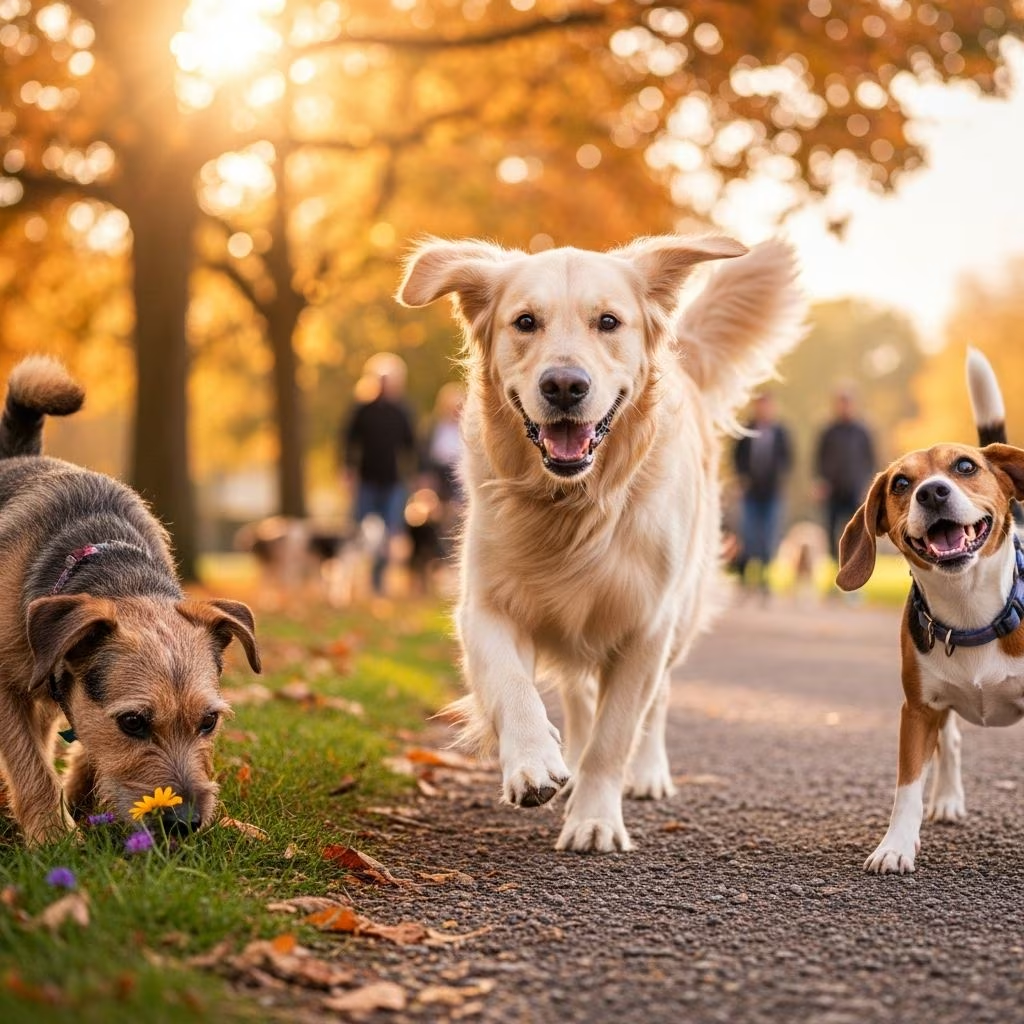
If you so much as touch the leash, grab your sneakers, or walk toward the door at an odd hour, your dog probably reacts like it is the best news they have heard all week. Walks are one of the most universally loved activities in the dog world, but not all dogs enjoy them for the same reasons. Some live for the pure rush of movement, others for the rich tapestry of smells, and many for the chance to greet every person and animal in sight.
Understanding why your dog loves walks helps you design better outings that match their needs for exercise, mental stimulation, and social contact. It also makes walks safer, more peaceful, and more fun for both of you.
The Many Reasons Dogs Love Walks
Researchers and behaviorists consistently point out that walks are one of the simplest ways to meet several of a dog’s core needs at once: physical activity, mental enrichment, social interaction, and environmental exploration. Even short daily walks, when done thoughtfully, support your dog’s body and brain and can improve behavior at home.
In practice, most dogs fall loosely into at least one of three broad walk-loving types:
- The Runner — motivated by movement and exercise
- The Sniffer — motivated by scents and mental challenges
- The Greeter — motivated by social contact and communication
Many dogs show a blend of these traits, but you will usually notice one priority that seems to matter most on an average walk.
The Runner: Dogs Who Live For Movement
Runner-type dogs see a walk as their daily workout. They are the ones who:
- Launch out the door with enthusiasm the moment you clip on the leash
- Prefer a steady trot or run over any kind of slow meandering
- Relax and settle at home more easily after a good, long outing
- Often need at least one robust walk or run a day to stay calm
For these dogs, walks are all about burning off energy and enjoying the rhythmic, repetitive motion of moving through space. Aerobic exercise like brisk walking or jogging improves cardiovascular health, helps manage weight, and supports joint function when done appropriately for age and breed.
Common Traits of Runner Dogs
| Trait | How It Shows Up On Walks |
|---|---|
| High energy | Pulls ahead early in the walk, eager to get going |
| Exercise-driven | More interested in pace and distance than in long sniff breaks |
| Endorphin seeker | Becomes calmer and more focused after 10–15 minutes of movement |
| Routine lover | Thrives on regular, predictable walking schedules |
Tips For Walking With a Runner
- Start with a warm-up: A few minutes of slower walking helps reduce joint stress, especially for older dogs or large breeds.
- Use the right equipment: A well-fitted harness and a standard leash give you more control than a retractable leash when your dog wants to move fast.
- Build distance gradually: Increase length and intensity over time to avoid overexertion or injury, particularly in young or senior dogs.
- Mix in short training breaks: Brief pauses for cues like “sit” or “watch me” help keep excitement at a manageable level.
The Sniffer: Dogs Who Explore The World With Their Nose
The Sniffer-type dog considers the walk a smell-based research project. Even a short stroll can feel like an epic story told through scent. These dogs:
- Frequently stop to examine specific patches of grass, trees, or posts
- Keep their nose to the ground for much of the walk
- Seem most satisfied after they have had time to thoroughly investigate
- May move slowly but come home mentally tired and content
Dogs possess far more scent receptors than humans, and parts of their brain devoted to smell are significantly larger and more complex, which allows them to detect and distinguish a vast range of odors. For Sniffers, a walk without time to smell is like a human trip to a museum where you can only rush past the exhibits without stopping to look.
Why Sniffing Matters So Much
Allowing your dog to sniff freely (within safe limits) offers powerful mental enrichment. Studies suggest that scent-based activities can promote calmer behavior, increase optimism in problem-solving tasks, and lower visible signs of stress in dogs. Sniffing lets dogs:
- Gather information about who has been in the area and when
- Identify other animals, changes in the environment, and potential food sources
- Engage their brain in focused, purposeful work
- Express natural foraging and tracking instincts in a safe way
Tips For Walking With a Sniffer
- Schedule “sniff breaks”: Use a cue (like “go sniff”) to let your dog know when they can explore more freely and when you need to keep moving.
- Choose rich environments: Parks, tree-lined streets, and trails usually offer more interesting smells than bare sidewalks.
- Use a slightly longer leash: A 2–3 meter (6–10 foot) leash can allow controlled exploration without sacrificing safety.
- Balance pace and sniffing: Alternate short periods of walking at your pace with time dedicated to their olfactory adventures.
The Greeter: Dogs Who Walk To Meet The World
Some dogs view every walk as a social event. These are the Greeters, who:
- Brighten up at the sight of another person or dog down the street
- Pull or strain gently toward others to say hello
- Seem disappointed if the neighborhood is quiet and empty
- Enjoy being stroked, talked to, and noticed by passersby
Social interaction is a key part of behavioral health in many dogs, especially those who were well-socialized as puppies and enjoy positive contact with others. Walks give Greeters a safe way to expand their social world and keep those skills sharp.
Greeters, Territory Markers, and Neighborhood Patrol
Closely related to the Greeter is the dog who loves to mark territory and patrol the neighborhood. These dogs may:
- Urinate small amounts in multiple spots rather than in one long session
- Show keen interest in areas where other dogs have marked
- Seem to “check” the same locations on each walk
Marking leaves behind chemical information about your dog, and sniffing marks left by others helps them stay updated about which animals are in the area. This pattern of walking can make your dog feel more secure and informed about their environment.
Tips For Walking With a Greeter
- Teach polite greetings: Practice cues like “sit” and “wait” before allowing your dog to say hello to others, when it is safe and welcome.
- Read the room: Not all dogs or people want to interact. Learn to recognize when another owner or dog prefers to pass by without greeting.
- Use short, positive encounters: Keep greetings brief and cheerful to prevent overexcitement.
- Provide social alternatives: Dog-friendly events, safe playdates, or classes can help meet social needs beyond walks.
Many Dogs Are A Mix Of Runner, Sniffer, and Greeter
It is common for dogs to show a blend of walking styles. Your dog might:
- Start out like a Runner, burning off that first burst of energy
- Shift into Sniffer mode once they have settled into a pace
- Transform into a Greeter whenever another dog or person appears
Rather than trying to force your dog into one category, it helps to notice what seems to matter most on a typical day. Over time, you will see repeating patterns of preference, even if context (time of day, weather, location) changes the emphasis.
How To Tailor Walks To Mixed-Style Dogs
- Divide the walk into segments: Start with a brisk portion for movement, then a slower section for sniffing, with flexible time reserved for safe social greetings.
- Use clear cues: Different verbal cues for “let’s go”, “go sniff”, or “say hi” can teach your dog what to expect in each moment.
- Watch their body language: Adjust pace and focus based on whether they seem energized, curious, or socially eager on that particular day.
Health and Behavior Benefits of Regular Walks
Beyond the joy and excitement, regular walks offer well-documented benefits for canine health and behavior. Veterinary and animal welfare organizations highlight that appropriate daily exercise and enrichment help:
- Maintain a healthy weight and reduce the risk of obesity-related diseases such as diabetes and joint problems.
- Support joint and muscle health when exercise is suited to the dog’s age, size, and medical status.
- Reduce stress and anxiety by providing an outlet for energy and an opportunity to explore.
- Lower behavior issues linked to boredom, such as destructive chewing, excessive barking, and restlessness.
Walks also strengthen the bond between you and your dog. Shared activities and clear, consistent communication help build trust and improve responsiveness to cues, both on and off the leash.
Making Every Walk Safer and More Enjoyable
Regardless of whether your dog is mainly a Runner, Sniffer, or Greeter, a few universal guidelines make walks smoother and safer:
- Use appropriate gear: A properly fitted collar or harness and a sturdy leash matched to your dog’s size and strength are essential for safety.
- Respect weather limits: Hot pavement, extreme cold, or high humidity can be dangerous, especially for young, elderly, or brachycephalic (short-nosed) breeds.
- Monitor for fatigue or pain: Limping, lagging behind, or sudden reluctance may signal discomfort and should be discussed with a veterinarian.
- Stay updated on vaccinations and parasite prevention: Regular veterinary care helps protect dogs who frequently encounter other animals or shared outdoor areas.
Frequently Asked Questions (FAQs)
Q: How often should I walk my dog?
A: Many healthy adult dogs benefit from at least one to two walks per day, but the ideal amount depends on age, breed, health status, and individual energy level. Your veterinarian can help you tailor a routine that fits your specific dog.
Q: Can a walk be mostly about sniffing and still be enough exercise?
A: For some low- to moderate-energy dogs, a slow, sniff-heavy walk can provide adequate physical activity and excellent mental stimulation. High-energy dogs often need a combination of brisk movement and sniffing to feel fully satisfied.
Q: Is it OK if my dog wants to greet everyone we see?
A: Enjoying social contact is normal, but it is important to teach polite, controlled greetings and to respect when other dogs or people do not want to interact. Short, positive, consent-based greetings help keep everyone safe and comfortable.
Q: My dog pulls a lot at the beginning of walks. Is that bad?
A: Many Runner-type dogs pull when they are excited to get moving. While the enthusiasm is not harmful on its own, chronic pulling can be uncomfortable for both of you. Training loose-leash walking skills and using appropriate equipment can help channel that energy more safely.
Q: What if the weather or my schedule limits outdoor walks?
A: On days when full walks are not possible, you can offer shorter outings combined with indoor enrichment, such as scent games, puzzle feeders, or brief training sessions, to help meet your dog’s mental and physical needs.
References
- Physical Activity for Dogs — American Veterinary Medical Association. 2020-06-01. https://www.avma.org/resources/pet-owners/petcare/physical-activity-dogs
- Environmental Enrichment for Dogs — ASPCA Behavioral Sciences Team. 2021-03-15. https://www.aspca.org/pet-care/dog-care/enrichment-dogs
- Dog Walking and Exercise Guidelines — The Kennel Club (UK). 2022-05-10. https://www.thekennelclub.org.uk/dog-health/health-and-care/dog-exercise/how-much-exercise-does-a-dog-need/
- The Domestic Dog: Its Evolution, Behavior and Interactions with People — Cambridge University Press, ed. James Serpell. 2017-02-02. https://doi.org/10.1017/9781139161800



