

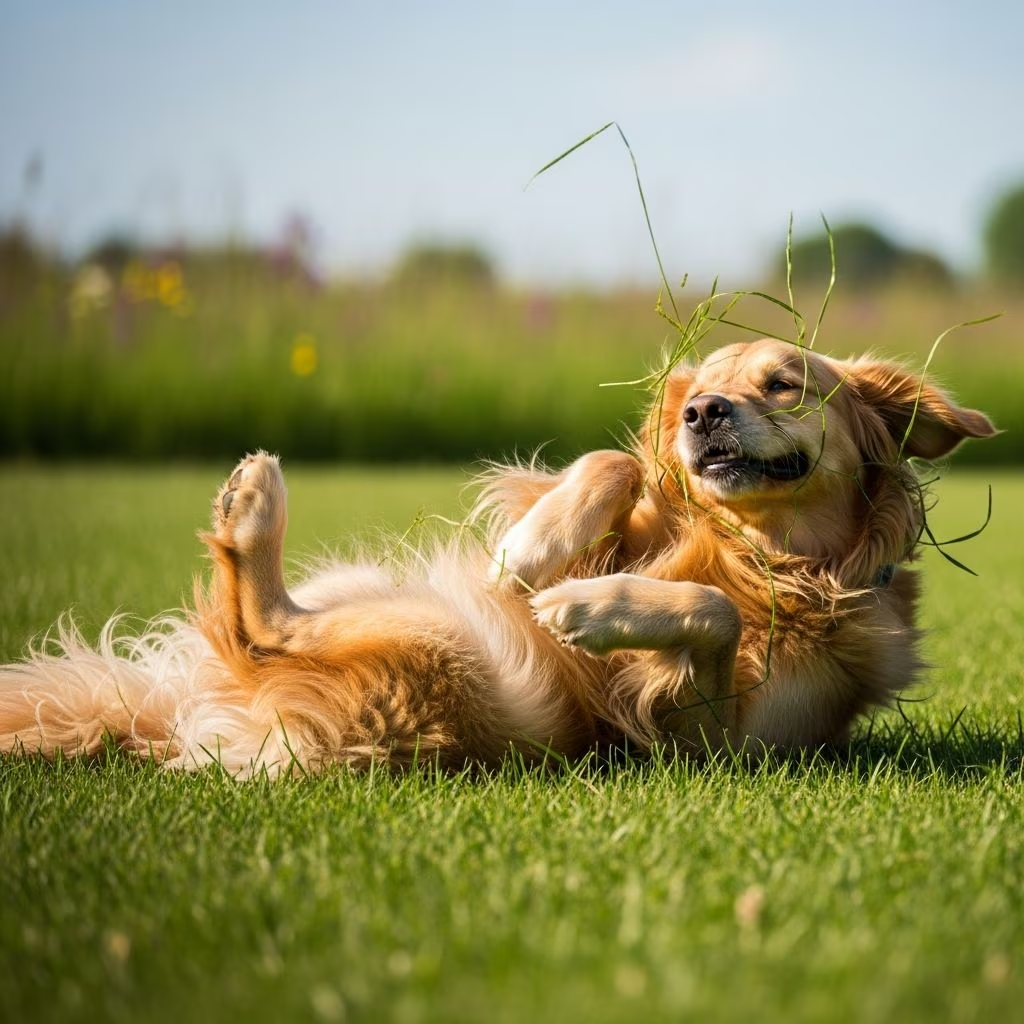
Dogs rolling enthusiastically in grass is a common sight that delights many pet owners while puzzling others. This behavior stems from deep-rooted instincts, sensory experiences, and sometimes underlying health needs. Understanding it helps owners appreciate their pets’ natural tendencies and spot when intervention is required.
The Evolutionary Roots of Grass Rolling
Canine ancestors like wolves developed rolling behaviors to survive in the wild. By rubbing their bodies against grass, dirt, or other surfaces, they masked their own scent to approach prey undetected. This camouflage allowed them to blend into the environment, using unfamiliar or novel odors to their advantage. Modern dogs retain this trait, even without hunting needs, as a remnant of their predatory heritage.
Research on wolves shows they preferentially roll in scents absent from their usual surroundings or those slightly varied from familiar ones. This suggests dogs today might roll in grass to acquire environmental smells that enhance their sensory profile or mimic prey trails.
Scent Acquisition and Masking Instincts
A primary driver is scent manipulation. Dogs possess olfactory systems far superior to humans—up to 50 times more sensitive in some breeds—enabling them to detect and collect odors that humans overlook. Rolling transfers grass scents, animal urine, or feces onto their fur, potentially covering their natural odor.
- Prey Camouflage: In the wild, this helped hunters get closer to targets without alerting them via scent.
- Post-Bath Rebellion: Freshly shampooed dogs often roll immediately, rejecting artificial fragrances in favor of natural earthy smells they prefer.
- Environmental Blending: Grass provides a neutral, abundant scent source for dogs to adopt.
Communication Through Scent Marking
Dogs use rolling as a social tool. By picking up or depositing scents, they signal presence to other dogs. Males frequently combine this with urine marking, creating a scent signature via glands in their paws and anal area.
This pack communication informs others of territory claims or recent visits. A dog might roll where another has marked, mixing scents to assert dominance or share information.
Sensory Pleasure and Physical Relief
Not all rolling ties to survival; sometimes it’s pure enjoyment. The cool, textured grass massages the skin, scratches hard-to-reach spots, and provides refreshing moisture, especially on hot days.
| Reason | Description | Benefits for Dog |
|---|---|---|
| Itch Relief | Grass acts as a natural scrubber for mild irritations. | Reduces discomfort without chemicals. |
| Cooling Effect | Dew-kissed blades soothe overheated bodies. | Lowers body temperature naturally. |
| Texture Fun | Prickly sensation stimulates nerves. | Boosts endorphins for happiness. |
When Rolling Signals Health Concerns
Excessive or frantic rolling warrants attention. It could indicate allergies, fleas, ticks, infections, or dry skin prompting itchiness. Observe for accompanying signs:
- Red, inflamed skin or bald patches.
- Constant scratching or biting at the rolled area.
- Obsessive behavior focused on one spot.
- Avoidance of rolling in untreated grass but seeking it out persistently.
Environmental factors like pesticide-treated lawns pose risks, potentially causing poisoning or worsened irritations. Always use flea preventives and consult vets for skin diagnostics.
Breed and Individual Variations
Not all dogs roll equally. Breeds with thick coats like Huskies or long-haired varieties may do it more for grooming benefits, while scent hounds like Beagles prioritize odor collection due to their enhanced noses. Puppies and energetic young dogs exhibit it most, often as play, while seniors might use it for gentle relief.
Safe Ways to Encourage or Discourage Rolling
Embrace harmless rolling with these tips:
- Choose Safe Areas: Opt for organic, untreated yards or parks.
- Post-Roll Grooming: Brush fur to remove debris without full baths that trigger rebounds.
- Alternatives: Provide itch-relief toys or cooling mats indoors.
To curb it, redirect with commands like “leave it” paired with treats, avoiding punishment that increases stress-induced rolling.
Expert Insights from Veterinary Science
Veterinarians note that while instinctual, rolling post-bath or in feces demands hygiene checks. Dr. Hanie Elfenbein emphasizes vet exams for chronic cases to rule out parasites or dermatitis. Studies affirm wolves’ odor preferences influence domestic dogs, linking behavior to olfaction research.
Grass Rolling in Multi-Dog Households
In homes with multiple pets, rolling escalates as scent-sharing. One dog’s roll might invite pack investigation, strengthening bonds but requiring cleanup to prevent conflicts over scents.
Seasonal Influences on the Behavior
Spring and summer see peaks due to lush grass and pollen, which might exacerbate allergies mimicking playful rolls. Winter reductions occur from sparse lawns, shifting to dirt or snow.
FAQs
Is it bad for dogs to roll in grass?
Usually harmless, but watch for chemicals or excessive frequency signaling health issues.
Why do dogs roll in gross things like poop?
To mask scent or share novel odors with their pack, rooted in hunting ancestry.
How can I stop my dog from rolling after baths?
Use dog-preferred natural shampoos and distract immediately post-wash with play.
Does rolling mean my dog has fleas?
Not always, but paired with scratching, it merits flea checks and vet visits.
Are some dogs more prone to grass rolling?
Yes, scent-driven breeds and those with dense fur exhibit it frequently.
Conclusion
Dogs rolling in grass blends instinct, joy, and communication into a quirky hallmark of canine life. By recognizing normal patterns versus concerns, owners foster healthier, happier pets.
References
- Why Do Dogs Roll In The Grass? — Whole Dog Journal. 2023. https://www.whole-dog-journal.com/behavior/why-do-dogs-roll-in-the-grass/
- Why Do Dogs Roll in the Grass? — PetMD, Hanie Elfenbein, DVM. 2024-05-15. https://www.petmd.com/dog/behavior/why-do-dogs-roll-grass
- Why do dogs roll on grass? — Farmina Pet Foods. 2023. https://www.farmina.com/in/pet-care/geniustips/1642/why-do-dogs-roll-on-grass-.html
- Why Do Dogs Roll in the Grass? — Camp Canine Santa Barbara. 2022-08-10. https://campcaninesb.com/why-do-dogs-roll-in-the-grass/



