

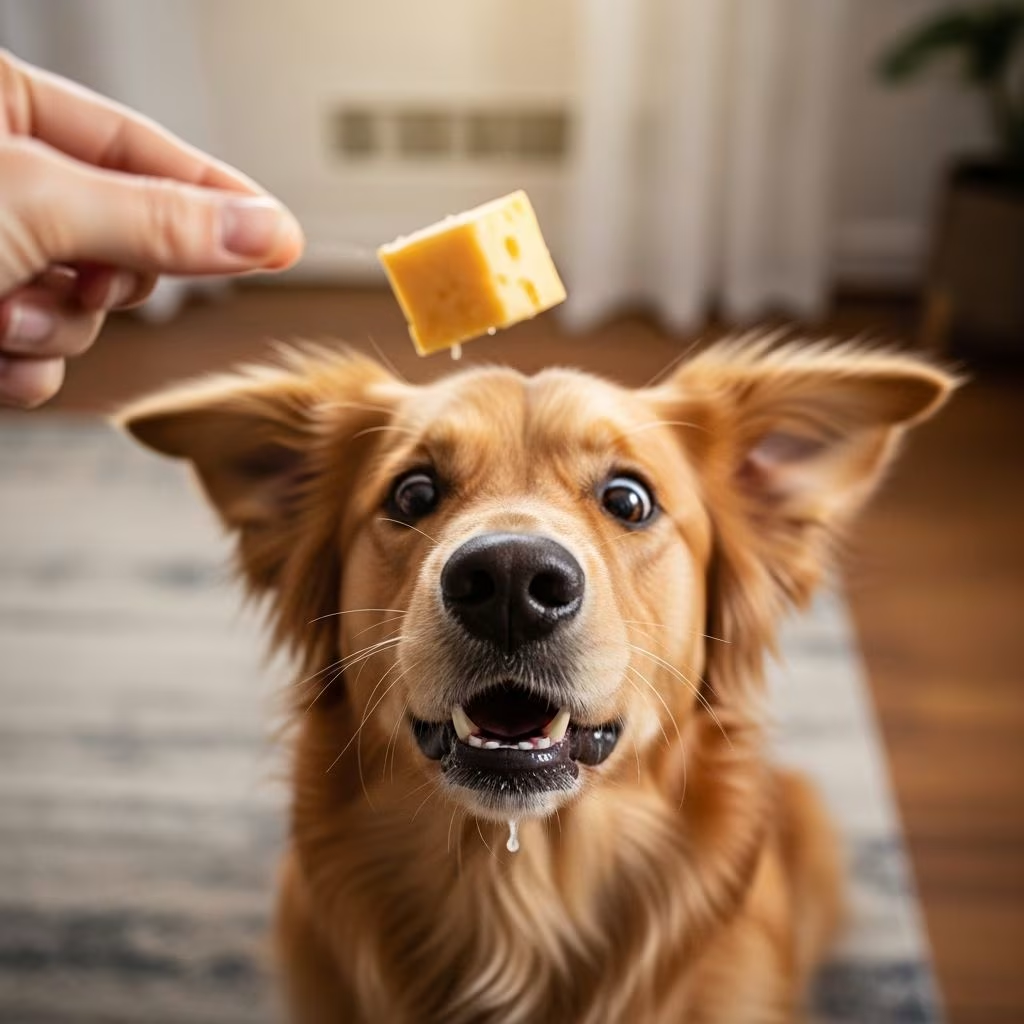
Dogs often display intense excitement around cheese, driven by its unique chemical makeup, potent aromas, and rewarding qualities that tap into their primal instincts. This fascination stems from biological responses, sensory attractions, and learned behaviors reinforced by owners.
The Biological Pull of Dairy Delights
Cheese triggers powerful responses in a dog’s brain due to specific proteins it contains. When digested, casein in cheese breaks down into casomorphins, peptides that bind to opioid receptors, releasing dopamine for a sense of pleasure and reward. This effect mirrors mild addiction mechanisms seen in humans, explaining the frenzy many dogs show at the sight or sound of cheese.
Beyond chemistry, cheese packs fats, proteins, salt, calcium, and other nutrients dogs instinctively seek. Their evolutionary background as opportunistic eaters favors calorie-dense foods for survival, making high-fat items like cheese particularly appealing. These elements combine to create an irresistible profile that overrides regular kibble in moments of temptation.
Sensory Superpowers and Cheese Appeal
A dog’s sense of smell, equipped with up to 300 million olfactory receptors, dwarfs human capabilities, turning cheese’s pungent bouquet into an overwhelming allure. The rich, fermented scents wafting from varieties like cheddar or gouda light up their brains, associating the aroma with immediate gratification long before tasting.
Texture plays a role too: the creamy, melt-in-the-mouth feel provides novel stimulation compared to dry treats. Combined with umami flavors from proteins and fats, cheese delivers a multi-sensory hit that few foods match for dogs.
Learned Behaviors and the ‘Cheese Ritual’
Many dogs beg for cheese because owners frequently use it as a high-value reward, creating strong positive associations. The mere crinkle of packaging signals impending joy, a conditioned response honed through repetition. This ‘cheese tax’—where pups demand a toll before human snacking—has become a viral phenomenon, reflecting how quickly dogs link cues to treats.
Owners unwittingly train this by sharing sporadically, turning casual moments into anticipated events. Such rituals strengthen bonds, as dogs thrive on attention and interaction tied to food rewards.
Nutritional Upsides of Occasional Cheese
- Protein Boost: Supports muscle maintenance and energy needs in active dogs.
- Calcium Source: Aids bone health, especially for growing puppies or seniors.
- Vitamins: Provides A and B12 for vision, immunity, and nerve function.
- Training Edge: Motivates focus during sessions, outperforming lower-value kibble.
These perks make cheese a strategic treat when portioned correctly, enhancing diet variety without dominating meals.
Hidden Health Risks and Lactose Challenges
Not all dogs tolerate cheese equally; many suffer lactose intolerance as adults, lacking sufficient lactase enzyme to digest milk sugars. Symptoms include gas, diarrhea, vomiting, or bloating after consumption. Puppies handle it better, but intolerance often develops with age, varying by breed and individual.
| Cheese Type | Lactose Level | Suitability for Dogs |
|---|---|---|
| Cottage/Swiss | Low | Good option, easy to digest |
| Cheddar/Gouda | Medium | Moderate; small amounts only |
| Blue Cheese | Variable | Avoid: mold toxins risky |
| Processed Slices | High additives | Avoid: excess salt/fat |
High salt or fat content risks pancreatitis or obesity; aged, moldy, or spiced cheeses pose toxicity dangers from mycotoxins or additives.
Safe Feeding Guidelines for Cheese Lovers
Limit to 10% of daily calories: a 20-lb dog might get 1-2 small cubes weekly. Opt for low-lactose, plain varieties like mozzarella or cream cheese. Dice finely for training to prevent overfeeding and ensure quick consumption.
Monitor reactions: start tiny, watch for distress. Consult vets for lactose-sensitive pups, considering alternatives like cheese-flavored kibble or vet-approved dairy-free treats.
Maximizing Cheese in Dog Training
Cheese excels as a ‘jackpot’ reward for tough behaviors like recall in distractions. Pair with commands: tiny bits for sits, slightly larger for complex chains. Alternate with healthier options to avoid dependency.
- Break into pea-sized pieces.
- Reserve for high-effort tasks.
- Fade out over time, using praise primarily.
- Mix into kibble for picky eaters.
This approach boosts learning via dopamine reinforcement while minimizing health impacts.
Breed Differences in Cheese Enthusiasm
Some breeds show stronger preferences: hounds and terriers, with elite noses, go wildest; herding dogs like Border Collies respond best in training. Rescue strays may hoard or prefer combos like cheese-plus-veggie from survival instincts.
Individual temperament matters: food-motivated pups amplify reactions, while stoic ones remain calmer.
Alternatives to Traditional Cheese Treats
- Yogurt or kefir: Probiotic-rich, lower lactose.
- Cheese powders on kibble: Flavor without bulk.
- Commercial low-lactose chews: Vet-formulated safety.
- DIY frozen cubes: Blend with broth for dental perks.
These mimic appeal sans risks, sustaining the joy of treat time.
FAQs: Common Cheese and Dogs Questions
Can all dogs eat cheese?
No, due to widespread lactose intolerance; test small amounts and choose low-lactose types.
Is cheese better than other treats?
For motivation, yes—its potency excels in training, but use sparingly for balance.
What if my dog gets sick from cheese?
Stop immediately, hydrate, and see a vet if symptoms persist beyond 24 hours.
How much cheese is too much?
Never exceed 10% daily intake; e.g., one teaspoon max for small breeds weekly.
Why does cheese make my dog hyper?
Dopamine surge and fat energy spike create excitement peaks.
Building a Cheese-Safe Routine
Incorporate cheese thoughtfully: weekly ‘treat days’ tied to achievements foster habits without excess. Track weight, stool quality, and energy to adjust. This balances indulgence with wellness, letting dogs enjoy their favorite while thriving long-term.
References
- Why Do Dogs Like Cheese? Understanding Our Canine Companions’ Love for Dairy — Houndsy. 2023. https://www.houndsy.com/blogs/modern-tails/why-do-dogs-like-cheese-understanding-our-canine-companions-love-for-dairy
- Why Do Dogs Love Cheese? Let’s Find Out — Carolina Prime Pet. 2023. https://carolinaprimepet.com/blogs/blog/dogs-cheese-why-they-love-it-what-you-should-know
- Why Do Dogs Love Cheese So Much? #pettalk — YouTube (Pet Talk). 2023. https://www.youtube.com/watch?v=DZ68iI72Mp8
- The Cheese Tax: Unraveling the Viral Internet Trend of Dogs’ Love for Cheese — 84 Acres. 2023. https://www.84acres.co.uk/post/the-cheese-tax-unraveling-the-viral-internet-trend-of-dogs-love-for-cheese
- The Science Behind Why Dogs Love Treats — One Spoiled Dog. 2023. https://www.onespoileddog.com/blogs/news/the-science-behind-why-dogs-love-treats
- Sub-Optimal Choice in Dogs: Cheese or Cheese and Carrot? — Companion Animal Psychology. 2014-07-28. https://www.companionanimalpsychology.com/2014/07/sub-optimal-choice-in-dogs-cheese-or.html



