

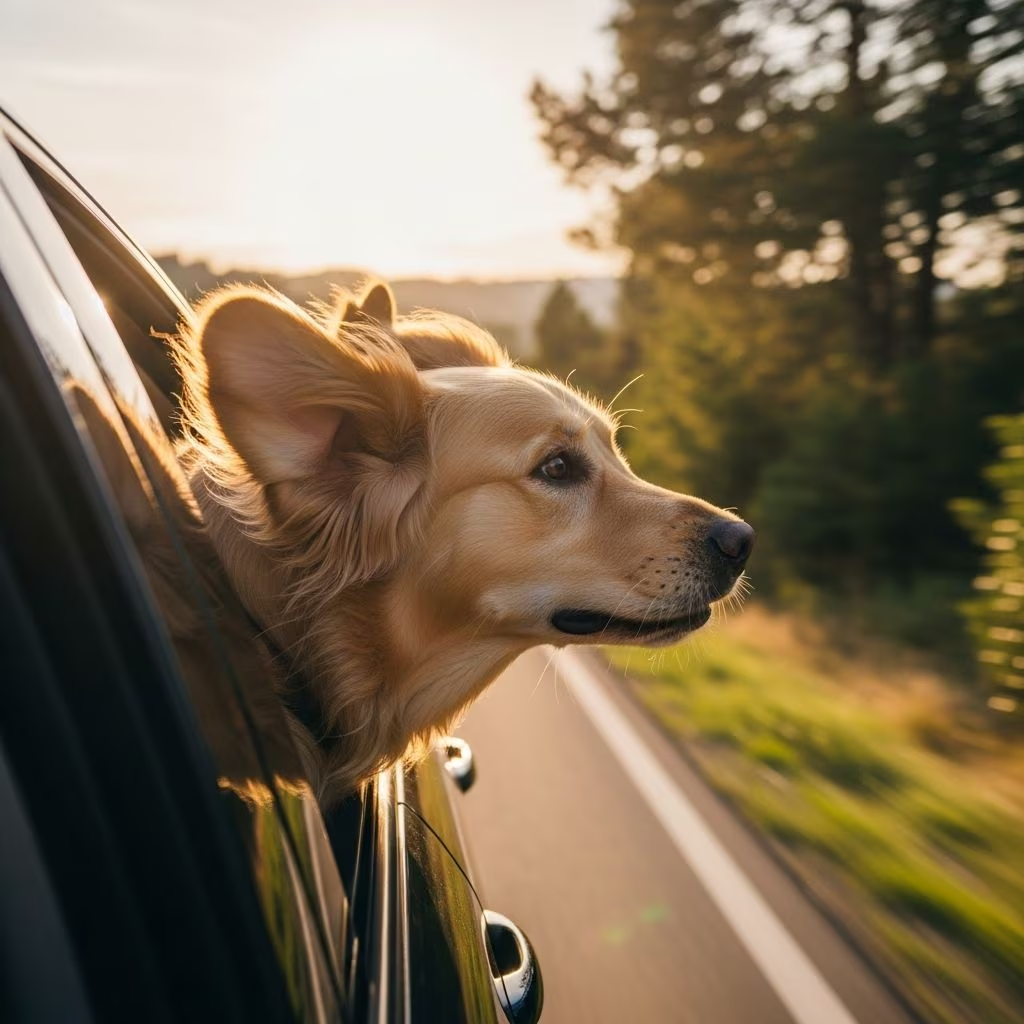
Dogs often display pure delight during car rides by thrusting their heads out open windows, tongues lolling and ears flapping in the wind. This behavior stems from their innate curiosity and sensory drive, but it carries substantial dangers including injuries from debris, ear trauma, and ejection risks. Veterinary organizations like the American Veterinary Medical Association (AVMA) warn against it, emphasizing proper restraints for safe travel.
The Instinctive Appeal of Wind and Scenery
Canines possess an extraordinary sense of smell—up to 100,000 times more sensitive than humans’—making car travel a sensory feast. As vehicles move, fresh air rushes in carrying scents from passersby, food vendors, other animals, and urban landscapes. This olfactory bombardment excites dogs, prompting them to lean out for unobstructed access.
Beyond smells, visual stimuli captivate them. Rapidly changing scenes of trees, pedestrians, and fellow drivers provide endless entertainment. The rushing wind against their faces mimics running at high speeds, evoking ancestral hunting instincts where wind aided scent tracking. Combined with the thrill of motion, these elements create an irresistible pull, explaining why even calm dogs become animated on roads.
Hidden Health Hazards from High-Speed Air
While the breeze feels invigorating, sustained exposure at 40-70 mph generates forceful winds that harm delicate tissues. Eyes face the brunt: corneas, thinner and more vulnerable than human equivalents, suffer from dust, pollen, insects, and grit propelled at high velocities. Minor impacts cause scratches or ulcers, potentially leading to infections requiring antibiotics or surgery.
- Debris strikes: Pebbles or twigs that merely chip windshields can lacerate a dog’s eyes or embed in nasal passages.
- Windburn effects: Prolonged gusts dry out ocular surfaces, causing pain and light sensitivity akin to human keratitis.
- Insect encounters: Bees or wasps may sting eyes or throats, triggering swelling or allergic reactions.
Ears suffer similarly. Floppy pinnae (ear flaps) batter repeatedly against skulls, rupturing capillaries and causing hematomas—painful blood-filled swellings. Repeated incidents lead to chronic issues like cauliflower ear or infections, as noted by pet health specialists.
Accident and Ejection Dangers
Behavioral unpredictability amplifies risks. A glimpsed squirrel or familiar human scent can spur sudden leaps, especially in unrestrained dogs. Sudden braking or swerves—common in traffic—exacerbate this, flinging pets through openings. Outcomes range from fractures and road rash to fatal collisions with vehicles or obstacles.
In minor crashes, unsecured dogs become projectiles. They may smash into passengers, dashboards, or windows, suffering concussions or internal injuries. Rear-seated but window-exposed pets fare worst during side impacts. Crash tests by safety advocates reveal restraints reduce injury by over 80% compared to free-roaming.
| Risk Factor | Potential Injury | Prevention Method |
|---|---|---|
| Sudden Jump | Fractures, road rash | Window barriers, harnesses |
| Debris Impact | Eye ulcers, lacerations | Crates or seatbelts |
| Swerve/Emergency Stop | Projectile trauma | Back-seat confinement |
| Window Pinch | Neck/head crush | Power window locks |
Legal and Liability Concerns for Owners
Pet-friendly roads don’t mean unrestricted freedom. Several U.S. states and countries mandate vehicle restraints for animals, akin to child seat laws. Violations incur fines up to $1,000, license points, or citations for distracted driving if pets obstruct views or controls.
Insurance complications arise too. Unrestrained pets in accidents may void claims or lead to liability if they cause harm. In the UK, Highway Code Rule 57 requires secure transport, with penalties including £5,000 fines. U.S. bills like Florida’s SB 932 highlight growing enforcement trends.
Safe Alternatives for Enjoyable Rides
Replicate the fun without peril using vetted methods. Crash-tested harnesses clip to seatbelts, confining dogs to seats while allowing window sniffing through slight cracks (4-6 inches max).
- Vehicle crates: Ventilated, bolted models shield from winds and secure during jolts; ideal for medium/large breeds.
- Window guards: Mesh barriers permit airflow and scents minus head protrusion.
- AC ventilation: Circulate cool air internally to mimic breeze effects safely.
- Stops for sniff breaks: Parked pauses let dogs explore scents on leashes.
For laps? Avoid entirely—small dogs distract drivers and risk airbag deployment injuries, which explode at 200 mph.
Veterinary Perspectives on Long-Term Care
Vets report frequent cases of post-ride eye flushes, ear drains, and wound treatments from window habits. Preventive eyewear exists for high-risk trips, but experts prioritize elimination. Annual checkups catch early damage; breeds like brachycephalics (Pugs, Bulldogs) face amplified vulnerabilities due to eye prominence.
Training curbs urges: Use commands like “settle” with treats, rewarding calm positioning. Gradual desensitization builds road tolerance without exposure.
FAQs on Dog Car Travel Safety
Is it ever okay for short, slow drives?
No—risks persist even at 20 mph; debris velocity scales with speed, and jumps remain possible.
What if my dog gets carsick otherwise?
Consult vets for meds or acclimation protocols; secure positioning often alleviates nausea.
Are harnesses as safe as crates?
Both excel if certified (e.g., CPS-approved); crates suit anxious chewers best.
How to clean eyes/ears after unavoidable exposure?
Saline rinses for eyes; vet-prescribed cleaners for ears—avoid home remedies.
Real-World Testimonies and Data
Owners recount horrors: one dog’s eye surgery post-pebble strike, another’s hematoma drainage after highway jaunts. Surveys show 31% of drivers admit pet distractions, correlating to higher incident rates. Prioritizing gear ensures joy without jeopardy.
References
- 4 Reasons Why You Should Never Let Your Dog Stick Its Head Out of the Car Window — Winter Park Pet Concierge. 2023. https://www.winterparkpetconcierge.com/4-reasons-why-you-should-never-let-your-dog-stick-its-head-out-of-the-car-window/
- Why It’s Dangerous for Your Dog to Ride with His Head Out of the Car Window — Impact Dog Crates. 2022. https://www.impactdogcrates.com/blogs/puppy-news/why-its-unsafe-for-your-dogs-to-stick-their-head-out-of-a-car-window
- Do Dogs Need the Window Open in the Car While Driving? — Hill’s Pet. 2024. https://www.hillspet.com/dog-care/routine-care/dogs-and-open-car-windows-safety
- Dogs in Cars: Should My Dog Hang His Head Out the Car Window? — Pet Health Network. 2023. https://www.pethealthnetwork.com/dog-health/dog-behavior/dogs-cars-should-my-dog-hang-his-head-out-car-window
- Driving With Your Dog’s Head Out the Window — Riley’s Place. 2021. http://www.rileysplace.org/dogblog/driving-with-your-dogs-head-out-the-window/



