

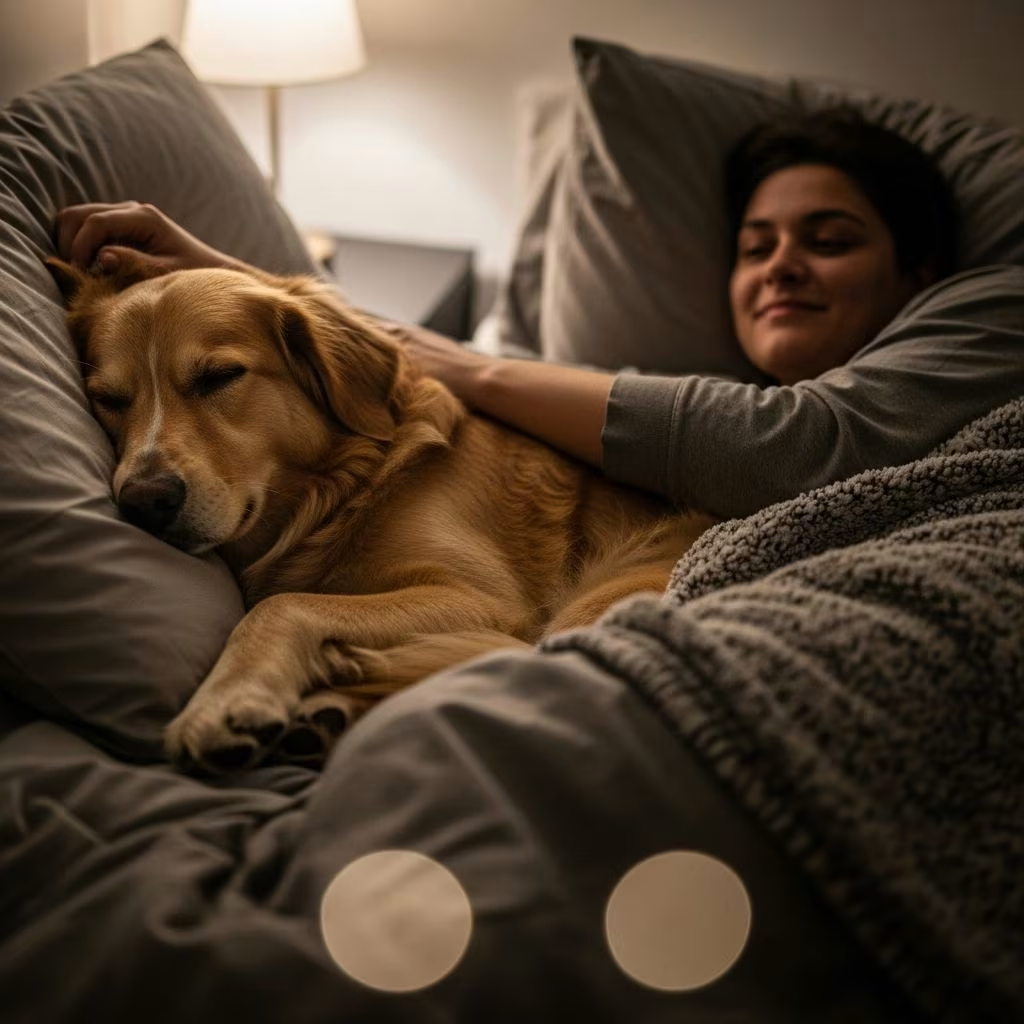
Dogs frequently choose to sleep alongside their owners as a natural expression of trust, security, and pack loyalty. This behavior stems from their evolutionary history as social animals that thrive on close proximity to family members.
The Instinctual Drive for Closeness
From a biological standpoint, dogs descend from wolves, pack animals that huddle together for survival. In modern homes, owners replace the pack, prompting dogs to seek the same physical contact during rest periods. This closeness provides thermal regulation, as dogs maintain body temperatures around 101-102.5°F, often curling against cooler human skin for comfort.
Research highlights how this preference links to emotional security. A study on canine attachment found that dogs with stronger bonds to owners exhibit altered sleep patterns, spending more time in non-rapid eye movement (NREM) sleep when near them, indicating reduced stress in unfamiliar settings.
Attachment Bonds: A Scientific Perspective
Dogs form attachment bonds similar to human infant-parent relationships, using owners as a ‘safe haven’ during vulnerability like sleep. In controlled experiments using adapted Strange Situation Tests, highly attached dogs showed longer NREM durations and lower alpha brain wave activity during sleep with owners present, suggesting better emotion regulation and less hyperarousal.
This neural response mirrors human patterns where secure attachments correlate with deeper, restorative sleep. Dogs relying on owners for safety in novel environments, such as during first-time EEG recordings, display these benefits, underscoring the owner’s role in buffering stress.
Emotional Comfort and Security Signals
When a dog presses against you at night, it’s often a sign of deep affection and perceived safety. They view you as the pack leader or favorite caregiver, associating your scent and presence with positive experiences like feeding and play. This choice typically falls to the person providing most care, reinforcing mutual dependency.
Co-sleeping can signal over-reliance if accompanied by distress signals like whining when separated, potentially indicating separation anxiety. However, in balanced cases, it fosters trust without issues.
Physical Benefits of Shared Sleeping Spaces
- Warmth and Comfort: Dogs seek body heat, especially smaller breeds or in cooler rooms, creating a cozy microclimate.
- Routine Synchronization: Dogs’ consistent sleep-wake cycles can help owners maintain regular schedules, promoting better overall sleep hygiene.
- Anxiety Reduction: Presence calms canine nerves, with studies showing decreased stress markers in co-sleeping scenarios.
Potential Drawbacks and Health Considerations
While rewarding, bed-sharing isn’t without challenges. Dogs may move frequently, snore, or kick, disrupting human sleep. Allergies to dander pose risks, and hygiene concerns arise from potential parasite transmission if outdoor access exists.
| Pros | Cons |
|---|---|
| Strengthens emotional ties | Sleep interruptions from movement |
| Reduces dog anxiety | Allergy aggravation |
| Encourages routine | Territorial behaviors in some dogs |
| Calming presence for owners | Space limitations with partners |
Territorial instincts can emerge, where dogs guard the bed, growling at intruders like partners or other pets, escalating to aggression in extreme cases.
Human Traits That Embrace Co-Sleeping
Owners who welcome dogs into bed often exhibit heightened empathy, prioritizing emotional connections over convenience. Psychological insights reveal these individuals read non-verbal cues adeptly, extending compassion to both pets and people. They foster vulnerability, sharing unfiltered sleep habits that build authentic relationships.
Many feel guilt if excluding pets, yet value the companionship, with over half keeping dogs nearby even outside the bed.
Breed and Age Influences on Sleeping Preferences
Not all dogs approach bed-sharing identically. Small breeds like Chihuahuas crave laps for warmth, while larger ones like Labs sprawl for space. Puppies seek constant contact for nurturing, seniors for arthritic comfort, and working breeds for handler reassurance post-duty.
- Puppies: Imprint on owners early, using sleep for bonding.
- Adults: Balance independence with occasional cuddles.
- Seniors: Prefer elevated, soft surfaces to ease joint pain.
Training Tips for Healthy Co-Sleeping
To mitigate issues, establish boundaries early. Use commands like ‘place’ to direct to a dog bed nearby, rewarding compliance. Gradual desensitization helps anxious dogs tolerate solitude, starting with short absences.
Maintain hygiene with frequent bedding washes and flea preventatives. For multi-person households, rotate privileges to prevent jealousy.
When to Reconsider Bed-Sharing
Opt for separate sleeping if dominance behaviors appear, such as resource guarding, or if sleep quality suffers significantly. Dogs with separation anxiety might worsen through constant access; consult trainers for behavioral plans.
Hygiene-focused owners or those with infants should prioritize separate spaces to minimize allergen exposure and ensure safety.
Alternatives to Full Bed Access
- Orthopedic dog beds at bedside for comfort mimic.
- Crate training with open doors for security without intrusion.
- Heated mats for warmth-independent sleep.
FAQs
Is it bad to let my dog sleep in my bed?
No, if managed well; it boosts bonds but watch for disruptions or behavioral flags.
Why does my dog only sleep with one person?
They bond strongest with primary caregivers offering food, walks, and affection.
Does co-sleeping cause separation anxiety?
It may exacerbate existing issues but doesn’t inherently cause them; monitor signs.
Can dogs sense when I need comfort at night?
Yes, empathetic dogs respond to owner stress via pheromones and cues.
How do I stop my dog from sleeping on the bed?
Use consistent training, provide appealing alternatives, and exercise before bed.
Enhancing Your Shared Sleep Experience
Invest in king-size beds or pet stairs for large dogs. Calming aids like pheromone diffusers reduce nighttime activity. Regular vet checkups ensure no underlying health issues drive the behavior, such as pain prompting clinginess.
Ultimately, bed-sharing reflects profound mutual love. With awareness of science and practical steps, it enhances lives without compromise.
References
- Attachment towards the Owner Is Associated with Spontaneous … — PMC/NCBI. 2022-04-02. https://pmc.ncbi.nlm.nih.gov/articles/PMC8997010/
- Should I Let My Dog Sleep With Me? — American Kennel Club (AKC). 2023. https://www.akc.org/expert-advice/advice/should-my-dog-sleep-with-me/
- People who sleep in the same bed as their pets usually display these 8 unique traits — Artful Parent/Psychology Insights. 2024. https://artfulparent.com/d-people-who-sleep-in-the-same-bed-as-their-pets-usually-display-these-8-unique-traits-says-psychology/
- Should Your Dog Sleep on the Bed with You? — Timberdog. 2023. https://timberdog.com/blogs/all-blogs/should-your-dog-sleep-on-the-bed-with-you
- Why So Many People Let Their Dogs Into Their Beds — Psychology Today. 2022-09. https://www.psychologytoday.com/us/blog/animal-emotions/202209/why-so-many-people-let-their-dogs-into-their-beds



