

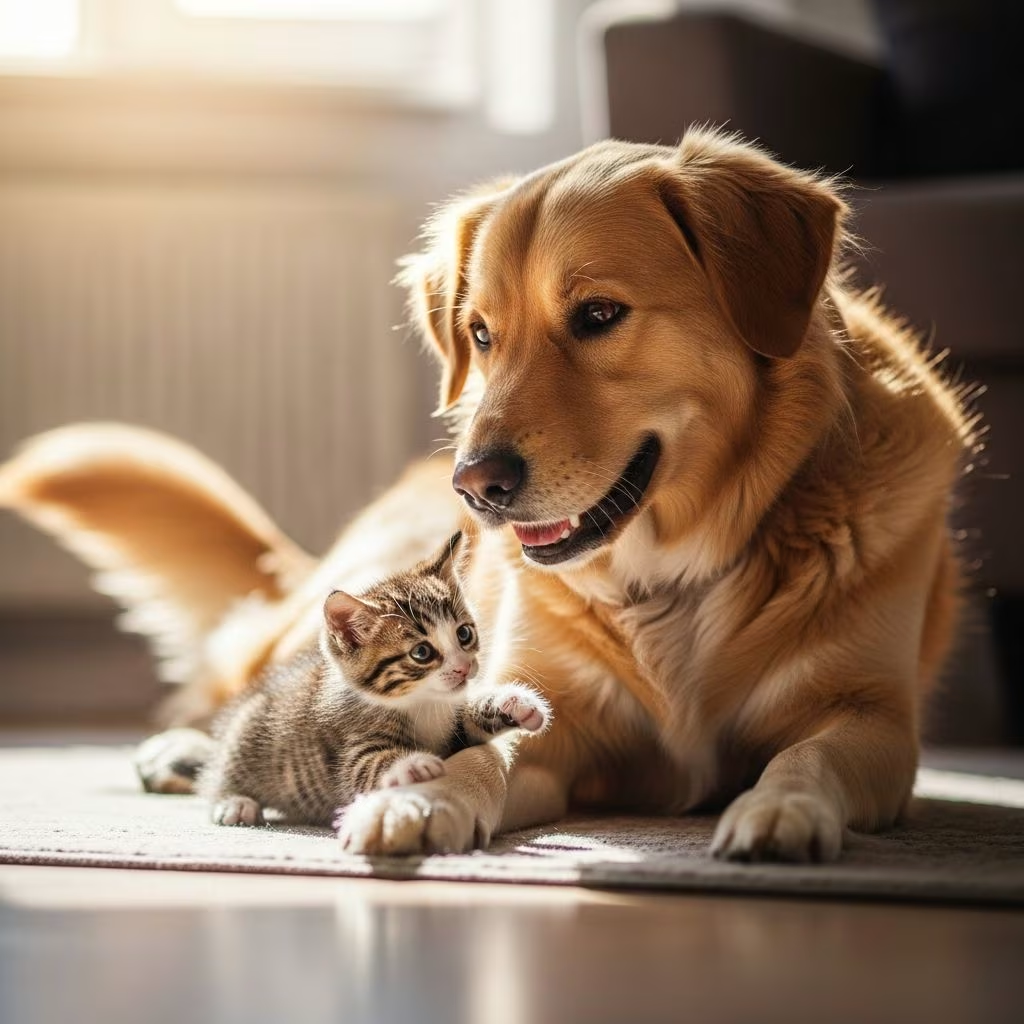
Dogs have a deep-seated love for physical touch, making petting one of the most rewarding ways to bond with them. This affection stems from their evolutionary history as pack animals, biological responses like oxytocin release, and learned associations with human care.
The Evolutionary Roots of Why Dogs Love Being Petted
Dogs descend from wolves, social pack animals where physical contact reinforced bonds, resolved conflicts, and signaled safety. Domestication over 20,000 years amplified this trait, turning dogs into touch-seeking companions attuned to human affection.
In wolf packs, grooming and nuzzling maintain hierarchy and group cohesion. Domestic dogs retain these instincts, interpreting petting as grooming that affirms their place in ‘the pack’—now including humans. A study on canine social behavior notes that tactile interactions reduce stress hormones, mimicking natural pack dynamics.
- Pack Bonding: Touch signals trust and alliance, essential for survival in ancestral groups.
- Grooming Rituals: Mutual licking and nudging in wolves evolved into dogs enjoying scratches and strokes.
- Submission Signals: Belly rubs mimic submissive postures, promoting relaxation.
The Science: Oxytocin and the ‘Love Hormone’ Effect
Petting triggers oxytocin release in both dogs and humans, fostering emotional bonds similar to parent-child attachments. Research from 2019 shows dogs exhibit secure attachment styles when petted consistently, mirroring human infant responses.
Brain scans reveal petting activates reward centers in dogs’ brains, comparable to food or play. Oxytocin surges during gentle strokes lower cortisol, explaining why dogs lean in or sigh contentedly. NIH studies link positive touch to reduced anxiety in dogs, enhancing mental wellbeing for pets and owners.
Key findings from peer-reviewed research:
| Study Focus | Key Outcome | Source |
|---|---|---|
| Oxytocin in Dog-Human Touch | Increased bonding hormone levels post-petting | PMC/NIH |
| Attachment Styles | Authoritative petting leads to secure, resilient dogs | Kinsip Pet Behavior |
| Stress Reduction | Lower cortisol via tactile interaction | Canine Behavior Journals |
Dog Body Language: Signs They Love (or Hate) Being Petted
Understanding canine cues prevents overstimulation. Happy dogs show loose posture, soft eyes, and tail wags at mid-height.
- Love It: Leaning into touch, relaxed ears, playful paw lifts, sighing or eye closure.
- Enough: Lip licking, yawning, turning head away, stiffening body.
- Stop: Growling, snapping, tucking tail, or fleeing.
High-energy breeds may chase shadows post-petting if overexcited, signaling OCD risks. Always pet confidently—hesitant strokes mimic uncertainty, provoking defensive reactions.
Best Petting Spots: Where and How Dogs Prefer Touch
Not all spots are equal. Dogs favor areas wolves groom mutually: chest, base of tail, and shoulders.
- Chest and Belly: Exposes vulnerable areas, signaling ultimate trust.
- Behind Ears and Neck: Mimics pack grooming, releasing endorphins.
- Back and Sides: Long, slow strokes calm like mother dog licking pups.
- Avoid: Paws, legs, muzzle—often ticklish or sensitive.
Use flat hands for broad strokes, mimicking tongue licks. Sessions of 1-5 minutes suffice; overdoing leads to tolerance.
Why Some Dogs Don’t Like Pets (And How to Help)
Trauma, poor socialization, or genetics make some dogs pet-averse. Fearful dogs link touch to past abuse, showing avoidance.
Build tolerance gradually:
- Start with food lures near preferred spots.
- Use classical conditioning: Pair touch with treats.
- Respect boundaries—forced petting worsens fear.
Breeds like herders may guard personal space due to working instincts. Owner neuroticism correlates with anxious pets, so calm energy matters.
Petting Puppies vs. Seniors: Age-Specific Needs
Puppies crave frequent touch for socialization windows (up to 12 weeks), building human bonds. Seniors benefit from gentle pets easing arthritis pain and loneliness.
| Life Stage | Petting Style | Benefits |
|---|---|---|
| Puppy (0-6 months) | Frequent, playful | Socialization, confidence |
| Adult | Routine, calming | Stress relief, bonding |
| Senior | Gentle, brief | Pain relief, comfort |
Petting in Multi-Pet Homes: Dog-Dog and Dog-Cat Dynamics
Dogs pet each other via licking and leaning, reinforcing kinship. In cat-dog homes, supervised petting sessions build positive associations.
Introduce scents first, then shared petting with treats. Respect cats’ independence—solitary hunters tolerate less touch. Hierarchy matters: Equal attention prevents jealousy.
Common Myths About Petting Dogs
- Myth: Scratching belly anytime is fine. Fact: Only when invited; forced exposure builds distrust.
- Myth: All dogs love hugs. Fact: Hugs restrain, triggering defense.
- Myth: Tail wagging means happy. Fact: Context-dependent; stiff wag signals alert.
Expert Tips for the Perfect Petting Session
Monique Udell, canine researcher, advocates ‘authoritative’ petting: Responsive yet structured.
- Observe pre-touch signals.
- Pet with purpose—slow, deliberate motions.
- End on high note, before disinterest.
- Combine with voice praise for multi-sensory bond.
Frequently Asked Questions (FAQs)
Why does my dog nudge me for pets?
Dogs nudge to solicit touch, a learned behavior from pack grooming requests.
Is petting addictive for dogs?
Oxytocin makes it rewarding, but over-reliance can increase separation anxiety.
Can petting fix behavior problems?
It aids stress relief but pairs best with training.
Why does my dog roll over during pets?
Submission display seeking belly rubs, showing trust.
How often should I pet my dog?
Daily, 10-20 minutes total, respecting their cues.
Do all dogs like the same petting spots?
No—individual preferences vary by breed and history.
References
- The Kinship Between Cats and Dogs — Petworks. 2023. https://www.petworks.com/articles/the-kinship-between-cats-and-dogs/
- Does Your Parenting Style Actually Influence Your Pet’s Behavior? — Kinship. 2023. https://www.kinship.com/pet-behavior/nature-vs-nurture-dog-parenting
- Pet and owner personality and mental wellbeing associate — NIH/PMC. 2023-11-28. https://pmc.ncbi.nlm.nih.gov/articles/PMC10709106/
- Dog Behavior & Body Language — Kinship. 2023. https://www.kinship.com/dog-behavior/behavior-body-language
- Dog Behavior — Kinship. 2023. https://www.kinship.com/dog-behavior



