

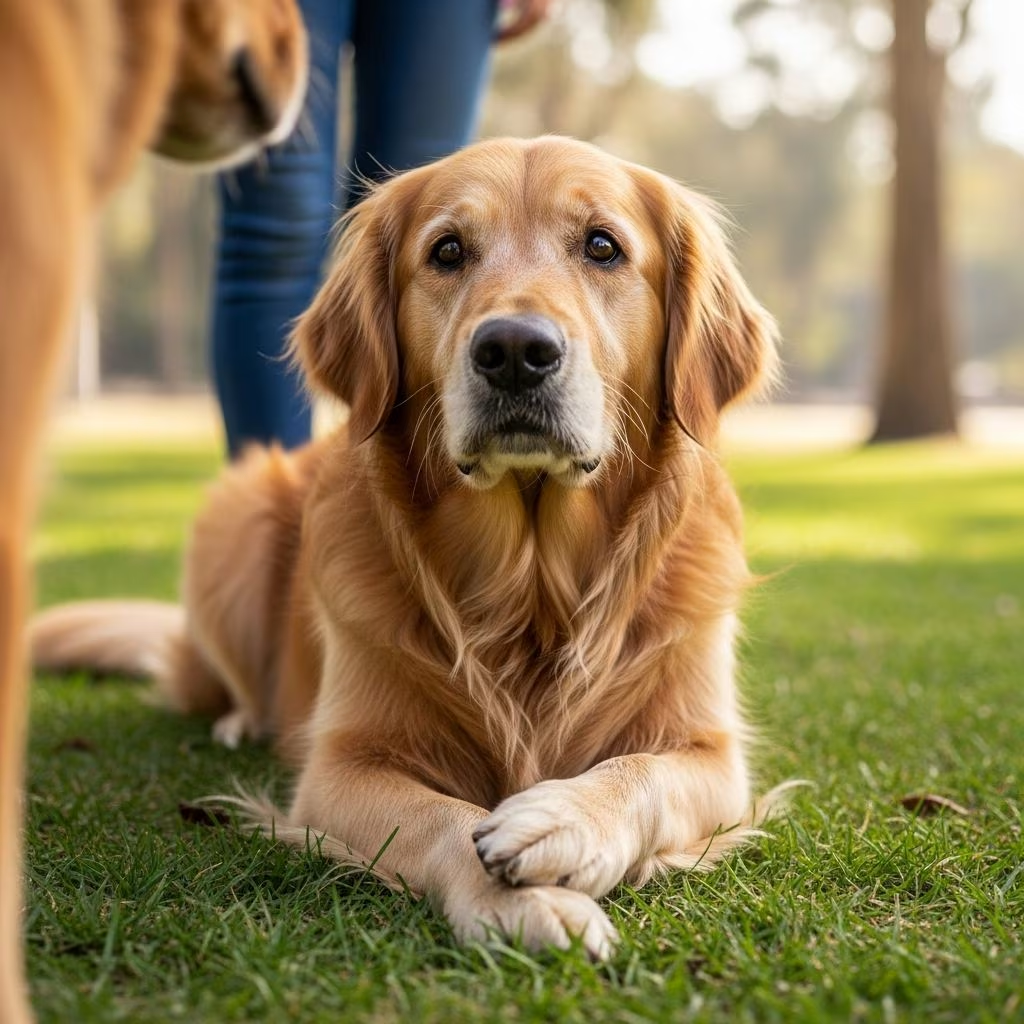
In the intricate world of canine social interactions, certain behaviors stand out as both endearing and puzzling. One such gesture is when a dog suddenly lies down flat on the ground upon spotting another dog, often during a walk. This “pancake” position—belly low, legs splayed—invites the approaching dog to sniff while the greeter remains prone. Not all dogs exhibit this, and reactions vary: some approaching dogs see it as a friendly invitation, while others perceive it as a potential threat, leading to tense encounters.
This behavior sparks curiosity among dog owners. For instance, a Reddit user described their five-month-old Labrador doing this with about 75% of dogs encountered on walks, staying down passively without pouncing. Another owner noted their large mix-breed dog uses it sweetly to avoid intimidating smaller dogs at the park, fostering easy friendships. Yet, complications arise; one dog freezes low then lunges, scaring others and prompting owners to intervene. Understanding this helps owners navigate walks confidently.
A genetic predisposition, or a strategy for playtime?
The reasons behind dogs lying down during greetings often tie to breed heritage, instinctual play patterns, or learned associations. Experts like Maddie Messina, an associate certified applied animal behaviorist and founder of Paws For Thought Dog Training, point to a “prey sequence” in herding breeds such as Border Collies and Australian Shepherds. These dogs instinctively stalk, chase, and pounce on prey; in play, dropping low mimics this sequence, turning greetings into fun practice sessions.
For non-herding breeds, the flop may stem from a modified play bow. A classic play bow features front legs extended forward with rear end elevated, signaling “let’s play.” However, leash constraints can flatten the dog entirely, resulting in a full-body pancake as they strain to communicate interest. Robert Hausmann, certified dog trainer and founder of DogBoy NYC, explains this as a non-threatening cue: “I’m friendly and interested. I’m getting down low; I’m not a threat.”.
Beyond instincts, reinforcement plays a key role. Through trial and error, dogs learn that lying down halts the walk, allowing greetings. Hausmann notes: “It’s possible that the dog has learned that refusing to move forward means they get to say hello.” Positive outcomes—sniffs, play—solidify this as a go-to strategy. Larger dogs, like a 115-pound Newfoundland/Pyrenees/Akbash mix, may adopt it specifically to appear less intimidating to smaller companions, enhancing social success.
Is it always harmless fun?
While often benign, this behavior isn’t universally positive. Inappropriate on-leash greetings can escalate tensions. Lying down then springing up as another dog nears mimics a predatory lunge, startling reactive dogs. Leash reactivity exacerbates issues: tight leashes signal arousal, and hard stares or pulling turn neutral encounters sour. Best Friends Animal Society highlights how leashes frustrate natural greetings, leading to stiff postures, growls, or avoidance—clear warning signs to disengage.
Appropriate greetings contrast sharply. They feature mutual consent, loose bodies with curved necks and backs, butt-sniffing starts, and brief duration. If one dog turns away, a polite partner respects it without pursuit. Loose leashes and side-by-side walking maintain calm. In contrast, inappropriate ones involve staring, pulling, face-to-face meetings, mounting, or demand barking—red flags for impoliteness, even from “friendly” dogs. Greeting every dog erodes respect for others’ space, akin to humans shaking hands with strangers indiscriminately.
How to manage your dog’s flop
Preventing reinforcement of the lie-down requires proactive training. If your dog drops upon sighting another, avoid interaction to break the cycle. Position yourself over them and inform the other owner: “Sorry, we’re in training; we’re not saying ‘hi’ right now,” advises Messina. Cajoling them up demands cues like “stand” or “hand target,” where they boop your hand with their nose, necessitating a rise. High-value treats lure them effectively.
Practice in low-distraction settings first. Reward standing calmly past dogs without flopping. Gradually increase proximity, building impulse control. Consistency prevents walks becoming greeting marathons.
What if you’re approaching a flopping dog?
Encountering a prone greeter? Assess risks. Some explode into play upon approach, startling wary dogs. Warning signs include stiffening, low growls, or avoidance from your dog. Swiftly cross the street or walk briskly past to evade.
Communication trumps assumption. Messina recommends: “Hey, are you OK with us approaching?” or “Does your dog enjoy playing with other dogs on leash?”. This respects boundaries, mirroring polite human interactions. Prioritize safety over forced hellos.
Understanding canine body language deeper
Contextual reading of signals prevents mishaps. Relaxed flops with wagging tails and soft eyes signal playfulness. Tense crouches with forward ears, dilated pupils, or whale-eye (whites showing) indicate fear or predation. Leash dynamics warp signals: tension mimics aggression.
Herding breeds’ prey drive shines in controlled outlets like agility or herding trials, channeling instincts positively. All breeds benefit from socialization exposing varied dogs, teaching nuanced etiquette.
| Appropriate | Inappropriate |
|---|---|
| Mutual consent, no pulling away | One dog initiates forcefully |
| Loose bodies, curved postures | Stiff stares, tight leashes |
| Butt sniff first, short interaction | Face-to-face, mounting |
| Respects disinterest | Lunging, barking demands |
| Side-by-side on loose leash | Ground flop then spring |
This table summarizes key differences, aiding quick assessments.
Frequently Asked Questions (FAQs)
Why does my herding breed dog lie down to greet others?
Herding breeds like Border Collies reenact the prey sequence—stalking low before pounce—turning greetings into play practice.
Is the lie-down always a play invitation?
Not necessarily; leash-restricted play bows flatten out, or it signals non-threat. But lunging follow-ups can intimidate.
How can I stop my dog from flopping on walks?
Use “stand” or “hand target” cues with treats. Avoid rewarding by skipping greetings; train impulse control progressively.
What if the other dog seems scared of my flopping dog?
Avoid interaction; cross streets or communicate first. Respect signals like avoidance or growls.
Can large dogs use this to be friendlier?
Yes, giants like Newfoundlands flop to de-intimidate smaller dogs, boosting play opportunities.
Long-term socialization tips
Foster polite greeters through puppy classes, controlled playdates, and off-leash parks (when vaccinated). Teach “leave it” for passing dogs. Monitor for reactivity patterns; consult behaviorists if persistent. Enrich lives with toys mimicking prey for herders, curbing frustration-fueled flops.
Owners shape behaviors unwittingly. Rewarding calm walks builds confident walkers ignoring 90% of dogs, greeting selectively. Patience yields safer, enjoyable outings.
References
- Why Do Some Dogs Lie Down When They Greet Other Dogs? — Kinship.com. 2023. https://www.kinship.com/dog-behavior/why-dogs-lie-down-when-they-greet-other-dogs
- Friendly? Or Pushy and Impolite? What is Your Dog’s Greeting Style? — Leash and Learn NYC. 2020. https://leashandlearnnyc.com/your-dog-might-be-friendly-but-he-is-not-polite-appropriate-on-leash-dog-greetings/
- How to Introduce Dogs to Each Other — Best Friends Animal Society. 2023. https://bestfriends.org/pet-care-resources/how-introduce-dogs-each-other



