

Why Dogs Lick Their Privates: Understanding Normal Behavior and Health Concerns
Dog owners often notice their pets licking their genital and anal areas and may wonder if this behavior is normal or a sign of a health problem. While a moderate amount of licking is indeed part of normal grooming behavior, excessive or persistent licking can indicate an underlying medical issue that requires veterinary attention. Understanding the difference between routine self-care and problematic excessive licking is essential for maintaining your dog’s health and well-being.
Is Licking Private Parts Ever Acceptable?
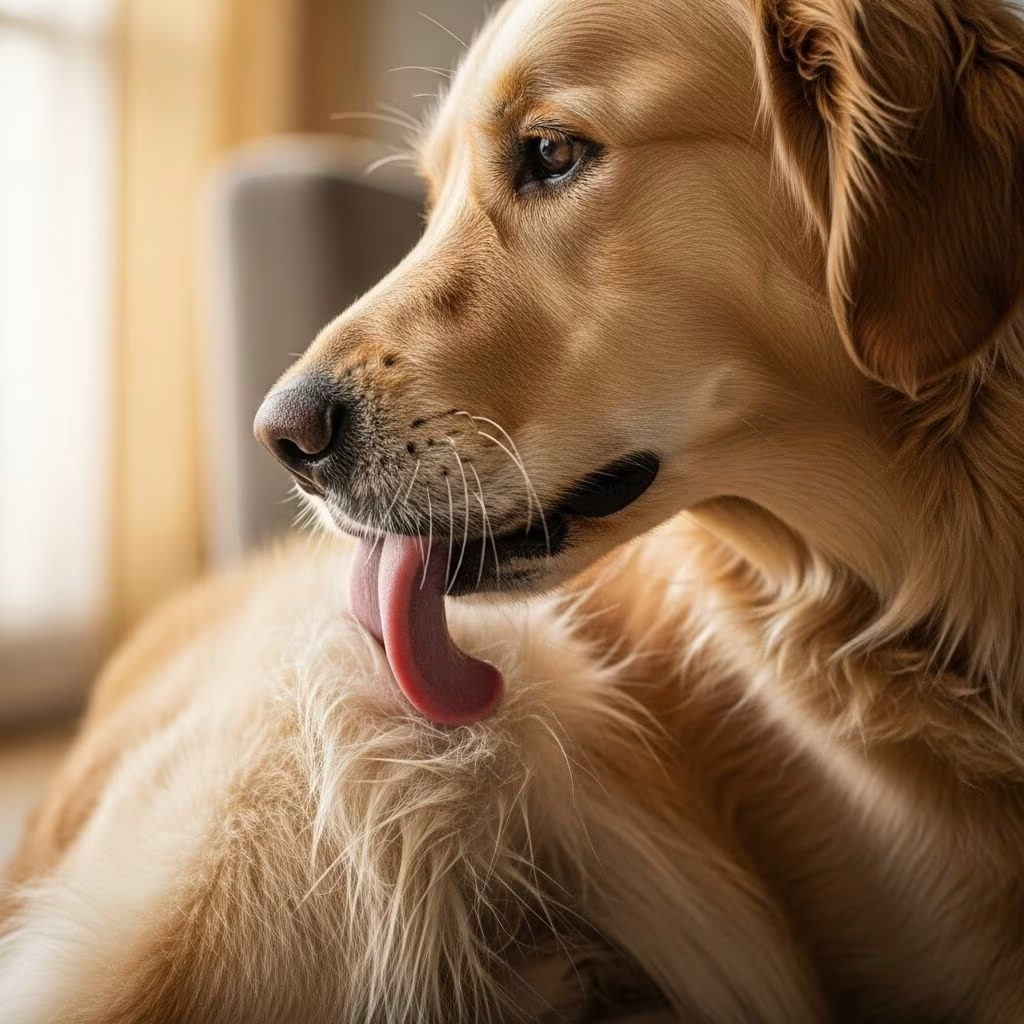
In the dog world, a moderate amount of licking is part of normal grooming behavior. Dogs use their tongues to keep themselves clean, just as cats do, and the genital area is no exception. A male or female dog may lick the genital area after urinating to clean the area. When this is the case, licking is only related to elimination and is not persistent. Just a quick swipe of the area takes care of business, and the dog moves on to other activities.
It is not as common for dogs to lick the anal area after eliminating; however, if the stool is sticky or watery, the dog may feel the need to tidy up a bit. Normal, firm bowel movements are not usually followed by licking. Dogs that engage in this type of normal grooming behavior should not cause concern for pet owners, as it is simply part of their natural hygiene routine.
Warning Signs: When Licking Becomes a Concern
While occasional licking is normal, certain signs indicate that your dog’s licking behavior has become excessive and may signal an underlying health problem. Pet owners should watch for the following warning signs:
- Swollen or red penis, vulva, or anus
- Presence of pustules (pimples) or red bumps on the skin
- Discoloration of the skin (black or rust colored)
- Straining to urinate
- Increased frequency of urination
- Scooting or rubbing the rectal area on the ground
- Presence of a foul odor between eliminations
- Discharge from penis or vulva
If you notice any of these symptoms, it is important to schedule an appointment with your veterinarian. A comprehensive medical exam, sometimes including blood and urine tests, will assist in detecting your dog’s problem and determining the appropriate course of treatment.
Common Medical Causes of Excessive Licking
Urinary Tract Infection or Bladder Stones/Crystals
One of the most common reasons dogs lick their private parts excessively is due to a urinary tract infection or the presence of bladder stones and crystals. Dogs with a bladder infection or stone/crystal material may lick the penis or vulva for an extended period after urinating or may lick between eliminations. They may urinate more frequently and may strain to urinate. Often, they feel an urgency to urinate and produce very little urine.
Urinary tract infections (UTIs) are particularly common in female dogs, though they can occur in dogs of either sex. If you suspect your pet has a UTI, it is important to bring them to the veterinarian for diagnosis and treatment. The discomfort associated with urinary tract infections, including the burning sensation after urination, causes pets to lick their genitalia in an attempt to soothe the irritated area. A urine test (urinalysis) will reveal evidence of infection, blood, urinary bladder crystals, and inflammation, allowing your veterinarian to determine the best course of treatment.
Allergies
Environmental and food allergies can cause itching in the genital area and other parts of the body. Dogs with allergies often lick and scratch themselves excessively in multiple locations, including the perianal and genital regions. When food allergy is the culprit, itching occurs all year long, while environmental allergies are generally seasonal, depending on what plants or trees are pollinating—unless the allergen is indoors.
Common environmental allergens include pollen, mold, and dust, while food allergies can be triggered by specific ingredients in your dog’s diet. Avoiding the allergen will decrease licking. For example, dogs with environmental allergies should be walked in the early morning and late evening when the dew on the ground reduces pollen in the air. Your veterinarian can offer medications to help manage your dog’s itch level and skin inflammation to hopefully avoid secondary consequences like skin infections.
Skin Infection
The presence of bacteria and yeast on the skin is normal, but if either appears in excess, if the skin barrier is unhealthy, or if the dog is immunocompromised, an infection can occur and cause itching. Skin infections in the genital area can result from bacterial or yeast overgrowth and may cause pustules, red bumps, or an abnormal odor. Your veterinarian may recommend tests such as skin cytology and/or culture to look for excessive bacteria or yeast on the skin so they know the best treatment for the infection.
Both bacterial and yeast infections usually respond better when topical therapy is part of the treatment regimen. Medicated shampoos, wipes, or other topical treatments can help eliminate the infection while also soothing irritated skin. In some cases, oral medications may be prescribed in addition to topical treatments to ensure complete resolution of the infection.
Anal Gland Impaction
Dogs have two anal glands located near the rectum. These glands fill with smelly fluid and empty themselves when the rectal muscles apply pressure during a bowel movement. When the anal glands are working normally, pets and their owners do not realize they are there; however, when anal glands become overfilled, they become readily apparent.
Impacted glands emit a noxious odor and the anal area may become swollen and irritated. In response to the irritation, the dog may lick the rectal region or scoot and rub the anus on the ground. This scooting behavior is often one of the first signs that owners notice. The problem is usually resolved by manually evacuating the distended anal glands via hand manipulation, so call your veterinarian for an appointment if you suspect anal gland impaction.
Other Potential Causes
Beyond the common medical causes listed above, several other conditions can lead to excessive licking of the private parts. These include muscle sprains or injuries to the groin area, bladder inflammation, bladder stones, hernias, or hormonal diseases such as hypothyroidism and Cushing’s disease. Parasitic infestations from fleas or other insects can also cause irritation and subsequent licking behavior. Additionally, some dogs may lick their genital area due to anxiety, stress, or learned behaviors, particularly if they have received attention for this behavior in the past.
When to Contact Your Veterinarian
You should contact your veterinarian if your dog’s licking behavior changes or becomes excessive. This is especially important if the licking is accompanied by any of the warning signs mentioned earlier. Your veterinarian will perform a physical examination and may recommend diagnostic tests such as urinalysis, blood work, skin cytology, or imaging studies to determine the underlying cause of the excessive licking.
Once your veterinarian has identified the cause, they can recommend appropriate treatment. In many cases, treating the underlying condition will resolve the excessive licking behavior. However, if your dog has developed a habit of licking and the underlying medical cause has been ruled out or treated, you may need to consult a dog trainer or animal behaviorist for help breaking the habit.
Preventive Measures and Home Care
There are several steps you can take to help prevent excessive licking and maintain your dog’s genital health. Ensure your dog has access to plenty of fresh, clean water to promote urinary tract health and help prevent UTIs. Maintain proper grooming practices, including regular baths with appropriate dog shampoo, which can help prevent skin infections and keep the area clean.
For dogs prone to anal gland issues, ensuring they maintain a healthy diet with adequate fiber can promote firm, regular bowel movements that help naturally empty the anal glands. Regular exercise and mental stimulation can also help reduce stress-related licking behaviors. Additionally, keeping your dog up to date on parasite prevention can help avoid flea and other parasitic infestations that might cause itching.
Frequently Asked Questions
Q: Is it normal for my dog to lick their genital area after urinating?
A: Yes, this is completely normal grooming behavior. Dogs lick their genital area after urination to clean away any urine or discharge. This type of licking is typically brief and not persistent, and it should not cause concern.
Q: How can I tell the difference between normal grooming and excessive licking?
A: Normal grooming involves occasional, brief licking that is related to elimination or general hygiene. Excessive licking is persistent, frequent, and often accompanied by other signs such as redness, swelling, discharge, or a foul odor. If you notice your dog spending significant time licking the area or if the behavior seems compulsive, contact your veterinarian.
Q: Can anal gland problems resolve on their own?
A: Anal gland impaction typically requires professional veterinary intervention. A veterinarian can manually express the glands to provide relief. While some dogs may occasionally have mild anal gland issues that partially resolve with firm bowel movements, persistent impaction usually requires manual evacuation by a professional.
Q: Are urinary tract infections more common in male or female dogs?
A: Urinary tract infections are more common in female dogs due to anatomical differences, specifically their shorter urethra. However, males can also develop UTIs and should receive veterinary care if symptoms are present.
Q: What should I do if my dog is licking their privates excessively?
A: Schedule an appointment with your veterinarian as soon as possible. Excessive licking often indicates an underlying medical issue that requires professional diagnosis and treatment. Your veterinarian may perform physical examinations and diagnostic tests to determine the cause and recommend appropriate treatment.
Q: Can stress cause dogs to lick their private parts excessively?
A: Yes, stress and anxiety can contribute to excessive licking in some dogs. However, stress-related licking is typically a diagnosis of exclusion, meaning medical causes should be ruled out first. If your dog is stressed, environmental modifications, behavioral training, and in some cases medication prescribed by your veterinarian can help.
References
- Why Dogs Lick Their Privates — VCA Animal Hospitals. 2025. https://vcahospitals.com/know-your-pet/why-dogs-lick-their-privates
- Why Do Dogs Lick Their Private Parts? — Animalia Pet Insurance. 2025. https://animalia.pet/knowledge/why-dog-licking-private-area/
- Excessive Licking, Chewing, and Grooming in Dogs — PetMD. 2025. https://www.petmd.com/dog/general-health/excessive-licking-chewing-and-grooming-dogs
- Why Does My Dog Lick Their Crotch? — American Kennel Club. 2025. https://www.akc.org/expert-advice/advice/dog-lick-crotch/
- Why is my dog licking their groin area? Top reasons and solutions — Peter Dobias, DVM. 2025. https://peterdobias.com/blogs/blog/why-do-dogs-lick-their-private-areas



