

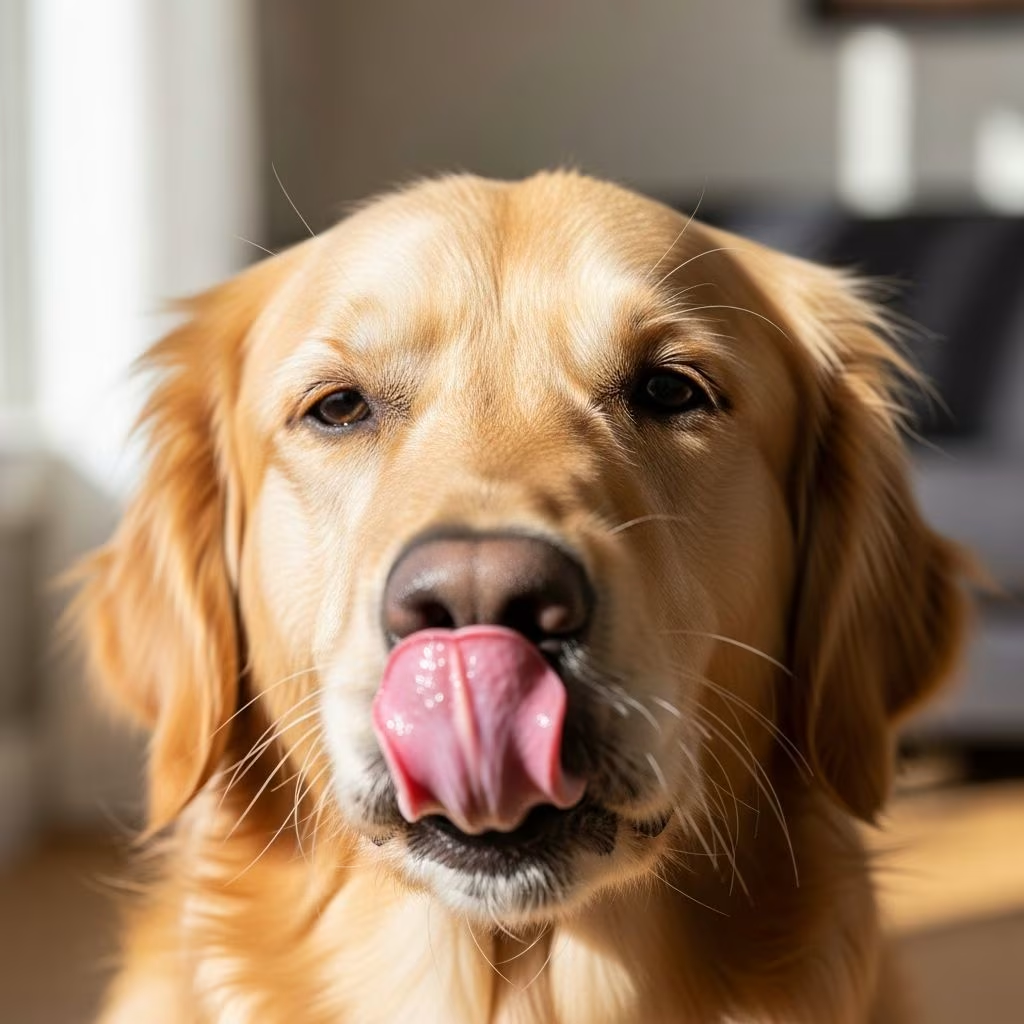
Dogs frequently lick their noses as part of their daily routines, a behavior rooted in both instinct and necessity. This action serves multiple purposes, primarily enhancing their extraordinary sense of smell while also addressing environmental, emotional, and health-related needs.
The Science of a Dog’s Superior Sense of Smell
A dog’s nose is one of the most sophisticated sensory organs in the animal kingdom, equipped with up to 300 million olfactory receptors compared to humans’ mere 6 million. The nasal cavity, lined with specialized mucus-producing cells, traps airborne scent molecules for detection. Moisture on the nose surface is crucial because it dissolves these particles, allowing them to bind to receptors and send signals to the brain.
When dogs lick their noses, they maintain this essential wetness. The saliva spreads evenly, creating an optimal environment for scent capture. Additionally, licking transfers gathered particles to the tongue and then to the vomeronasal organ (also called Jacobson’s organ) in the roof of the mouth. This secondary olfactory system detects pheromones, aiding in social communication and environmental awareness.
Everyday Reasons for Nose Licking
Beyond olfaction, dogs lick their noses for practical daily reasons. Curiosity drives them to sniff everything from grass to garbage, often leaving residue like dirt, pollen, or food particles on their noses. Licking acts as a natural cleaning mechanism, removing debris to keep the nose functional.
- Cooling mechanism: In warm conditions, dogs pant to evaporate saliva from their tongues for thermoregulation. Nose licking supplements this by adding moisture that evaporates, providing minor cooling relief.
- Grooming instinct: Similar to licking paws or fur, nose licking is a self-maintenance habit to ensure clear nostrils.
- Response to irritants: Sticky substances like sap or pollen prompt licking to alleviate discomfort.
Emotional and Social Signals in Nose Licking
Dogs communicate through subtle body language, and nose licking often functions as a calming signal. In tense situations, such as meeting unfamiliar dogs or experiencing loud noises, a quick lick indicates appeasement or stress reduction. This behavior helps de-escalate potential conflicts and self-soothe anxiety.
Excessive licking may tie to compulsive disorders or separation anxiety, where repetitive actions provide temporary relief from underlying emotional distress. Owners might notice this alongside other signs like pacing or whining.
| Calming Signal | Description | Context |
|---|---|---|
| Nose Lick | Quick tongue flick across nose | During greetings or stressful events |
| Yawn | Wide mouth opening with tongue curl | Signs of discomfort or fatigue |
| Head Turn | Averting gaze while sniffing | Avoiding confrontation |
| Slow Pace | Deliberate, non-threatening walk | Approaching cautiously |
This table outlines common calming signals, with nose licking as a key indicator of a dog’s emotional state.
Health Concerns Linked to Frequent Nose Licking
While occasional licking is benign, persistent or intense nose licking warrants attention as it may signal medical issues. Veterinary sources emphasize monitoring for accompanying symptoms like discharge, sneezing, or lethargy.
Allergies and Irritations
Allergies to pollen, dust, or food can inflame the nasal passages, causing itchiness that prompts licking for relief. The nose may appear red, swollen, or runny.
Infections and Nasal Discharge
Bacterial, fungal, or sinus infections produce discharge, leading dogs to lick in an attempt to clear it. Congestion, sneezing, and foul odors are common.
Injuries and Foreign Objects
Bites from insects, stings, or embedded objects like grass seeds irritate the nose, triggering licking. Trauma from bumps or fights can also cause swelling and pain.
Dental and Gastrointestinal Problems
Toothaches or nausea refer pain to the nose area, resulting in licking. Dogs may swallow repeatedly or show head-shaking.
Dehydration and Overheating
Dry noses from insufficient water intake lead to licking for moisture. Panting and lethargy accompany heat stress.
| Symptom | Possible Cause | Action Needed |
|---|---|---|
| Dry Nose + Excessive Licking | Dehydration | Provide fresh water; monitor intake |
| Runny Discharge + Sneezing | Infection/Allergies | Vet exam for antibiotics or tests |
| Red/Swollen Nose | Injury or Sting | Inspect; seek vet if persists |
| Licking + Head Shaking | Dental Issue | Dental check-up |
| Licking + Vomiting | Nausea | Withhold food; vet consult |
When to Consult a Veterinarian
Distinguish normal from problematic licking by frequency and context. Brief licks after sniffing are typical; constant licking, especially with behavioral changes, requires professional evaluation. Vets may perform exams, X-rays, or allergy tests to diagnose issues like infections or compulsions.
- Observe for 24-48 hours if mild.
- Seek immediate care for swelling, bleeding, or distress.
- Track patterns: time of day, triggers, duration.
Understanding Breed and Age Variations
Brachycephalic breeds like Pugs have shorter noses prone to irritations, increasing licking. Puppies explore more aggressively, licking off residues, while seniors may lick due to cognitive decline or dental wear.
Tips for Managing Excessive Nose Licking
Proactive care reduces triggers:
- Ensure constant fresh water access, ideally via fountains to encourage drinking.
- Maintain a clean environment to minimize allergens.
- Provide mental stimulation like puzzle toys to combat boredom-induced licking.
- Use positive reinforcement training to address anxiety.
- Regular vet check-ups catch issues early.
Frequently Asked Questions
Is a wet nose always a sign of health in dogs?
No, while moisture aids smell, a constantly dry nose with licking may indicate dehydration or illness. Context matters.
Why does my dog lick his nose during greetings?
It’s often a calming signal to show non-threat, processing pheromones from the other dog.
Can stress cause constant nose licking?
Yes, anxiety or compulsions lead to repetitive licking as self-soothing.
Should I stop my dog from licking his nose?
Normal licking is harmless; discourage only if excessive by addressing root causes like allergies.
How does nose licking help with temperature regulation?
Evaporation of saliva cools the nose slightly, aiding alongside panting.
Conclusion: A Window into Your Dog’s World
Nose licking reveals much about a dog’s inner state and health. By observing this habit, owners gain insights into their pet’s needs, fostering stronger bonds through attentive care.
References
- My Dog Is Constantly Licking His Nose — PetPlace.com. Accessed 2026. https://www.petplace.com/article/dogs/pet-health/dog-health/my-dog-is-constantly-licking-his-nose
- Why Do Dogs Lick Their Nose? 12 Reasons — WOpet. Accessed 2026. https://wopet.com/dogs/why-do-dogs-lick-their-nose/
- Why Dogs Lick Their Noses: A Quirky Habit Explained — Vet Today. Accessed 2026. https://vettoday.com/blog/why-dogs-lick-their-noses-a-quirky-habit-explained/
- Why Do Dogs Always Lick Their Nose — WagWalking. Accessed 2026. https://wagwalking.com/behavior/why-do-dogs-always-lick-their-nose
- Excessive Licking, Chewing, and Grooming in Dogs — PetMD. Accessed 2026. https://www.petmd.com/dog/general-health/excessive-licking-chewing-and-grooming-dogs



