

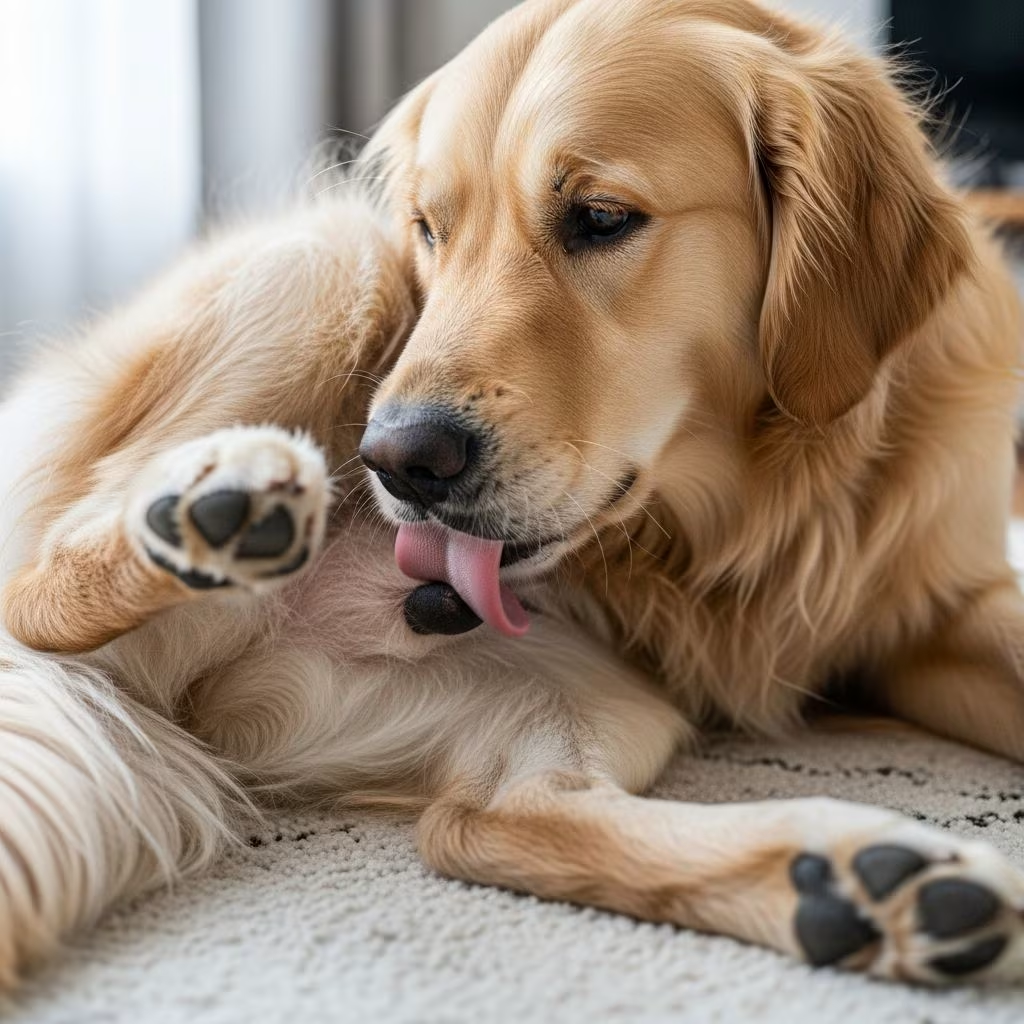
Dogs naturally groom themselves by licking various body parts, including their genital and anal regions, to maintain cleanliness. However, when this behavior becomes frequent, intense, or obsessive, it often points to an underlying problem requiring attention. Persistent licking can lead to skin irritation, hair loss, or secondary infections if ignored. Understanding the triggers helps pet owners respond promptly to restore their dog’s comfort.
Recognizing Abnormal Licking Patterns
Normal post-urination or defecation licking lasts seconds to a minute. Abnormal patterns include prolonged sessions multiple times daily, licking during rest or sleep interruptions, or scooting and rubbing the area on surfaces. These actions suggest discomfort rather than routine hygiene.
- Redness, swelling, or sores in the genital or perianal zone
- Foul-smelling discharge, pus, or blood
- Hair loss or moist dermatitis from constant moisture
- Straining during elimination or frequent small urinations
- Behavioral shifts like restlessness, appetite loss, or lethargy
Observing these alongside licking helps pinpoint issues early.
Primary Medical Triggers
Health conditions dominate causes of excessive private area licking in dogs. Veterinary evaluation is essential for accurate diagnosis, as symptoms overlap.
Urinary Tract Disorders
Urinary tract infections (UTIs) or bladder stones cause burning sensations, prompting dogs to lick for relief. Bacteria ascend the urethra, more commonly affecting females due to anatomy. Symptoms include urgent but scant urination and straining. Bladder crystals irritate similarly, often requiring dietary changes or surgery.
Reproductive Area Inflammation
Females may suffer vaginitis, vaginal inflammation leading to discharge and licking. Males experience balanoposthitis, penis and sheath infection with swelling and odor. Both prompt constant attention to soothe irritation.
Skin Allergies and Irritants
Allergens from food, pollen, or chemicals provoke itchy rashes in sensitive groin skin. Dogs lick to alleviate, worsening via saliva enzymes. Contact irritants like lawn fertilizers exacerbate this.
Parasitic Infestations
Fleas, mites, or mange parasites burrow, causing intense groin itching. Even if primary sites are elsewhere, migration affects privates. Check for flea dirt or mite burrows.
Anal Sac Complications
Anal glands, flanking the anus, produce scent fluid but can impinge, infect, or abscess. Full glands cause scooting and licking; impacted ones emit stench and swell the area. Small breeds are prone.
Less Common but Serious Concerns
Beyond basics, issues like prostate disorders in intact males (enlargement, infection), tumors, or coagulopathies from toxins lead to bloody discharge and licking. Urinary incontinence drips urine, inviting bacterial growth and grooming. Trauma from fights or foxtails embedded in skin also triggers.
| Condition | Key Symptoms | Affected Dogs |
|---|---|---|
| UTI/Bladder Stones | Frequent urination, straining, licking post-pee | Females more common |
| Anal Gland Impaction | Scooting, foul odor, perianal swelling | Small breeds |
| Allergies | Itchy skin, paw chewing, ear infections | Any breed |
| Vaginitis/Balanoposthitis | Discharge, redness, swelling | Unspayed females, intact males |
This table summarizes distinctions for quick reference.
Behavioral and Environmental Factors
Not all licking stems from illness. Stress from changes like new homes, separation, or boredom manifests as compulsive grooming. Hormonal drives in unneutered dogs increase marking behaviors, mimicking medical licking. Boredom in understimulated pets leads to repetitive habits.
Step-by-Step Home Assessment
Before vet visits, safely inspect:
- Wear gloves; gently part fur for wounds, parasites, or swelling.
- Note odors, colors of discharge, or debris.
- Observe elimination: volume, frequency, ease.
- Review recent exposures: new foods, environments, products.
- Avoid self-expressing anal glands—risks injury.
Clean gently with pet wipes post-outings to prevent buildup.
Professional Diagnosis and Solutions
Vets start with history, exam, then tests: urinalysis for UTIs, cytology for infections, imaging for stones/tumors, allergy panels.
- Antibiotics clear bacterial UTIs or balanoposthitis.
- Anal gland expression relieves impactions; recurrent cases need dietary fiber boosts.
- Hypoallergenic diets/treatments manage allergies.
- Spay/neuter curbs hormonal licking, prevents cancers.
- Behavior therapy with puzzles, walks addresses anxiety.
Follow-up prevents recurrences.
Preventive Strategies for Long-Term Health
Proactive care minimizes risks:
- Annual vet exams catch subclinical issues.
- Hydration flushes urinary tracts.
- Flea preventives year-round.
- Balanced diets avoid allergy triggers.
- Mental enrichment: toys, training, socialization.
- Hygiene routines post-dirty play.
Neutering around 6-12 months reduces gland and prostate woes.
When to Seek Urgent Care
Escalate if: inability to urinate/defecate, severe swelling/pain, bloody discharge, collapse, or refusal to eat. These signal blockages, abscesses, or systemic illness needing immediate intervention.
Frequently Asked Questions (FAQs)
Is occasional private licking normal for dogs?
Yes, brief licking after elimination is standard hygiene. Worry when excessive or with symptoms.
Can diet cause genital licking in dogs?
Absolutely—food allergies provoke skin itching, including privates. Trial hypoallergenic food under vet guidance.
How do I stop my dog from licking without a cone?
Treat the root cause first. Distractions, bitter sprays, or onesies cover temporarily, but medical fixes are key.
Does neutering eliminate this behavior?
Often reduces hormonal aspects but not infections or allergies. Combine with health checks.
What home remedies soothe irritated privates?
Chamomile rinses or vet-approved ointments; never apply human products. Consult pro first.
Conclusion
Excessive private licking signals your dog needs help—ranging from simple hygiene to serious disease. Prompt vet care, paired with prevention, ensures happy, itch-free lives. Monitor closely; early action prevents complications.
References
- Why Is My Dog Licking Its Private Area So Much? Causes and Solutions — Cuddly Tails. 2023. https://www.cuddlytails.com/blogs/why-is-my-dog-licking-its-private-area-so-much-causes-and-solutions/
- Licking of Genital Area in Dogs — PetPlace. 2024. https://www.petplace.com/article/dogs/pet-health/licking-of-genital-area-in-dogs
- My Dog Keeps Licking Their Private Area: Vet-Approved Reasons & Solutions — Dogster. 2024. https://www.dogster.com/dog-health-care/my-dog-keeps-licking-their-private-area
- Why Dogs Lick Their Privates — VCA Animal Hospitals. 2024. https://vcahospitals.com/know-your-pet/why-dogs-lick-their-privates
- Why Does My Dog Lick Their Crotch? — American Kennel Club. 2023. https://www.akc.org/expert-advice/advice/dog-lick-crotch/



